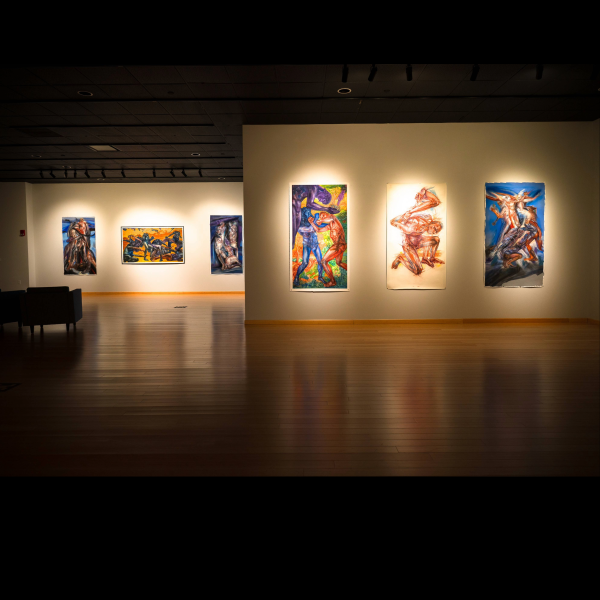
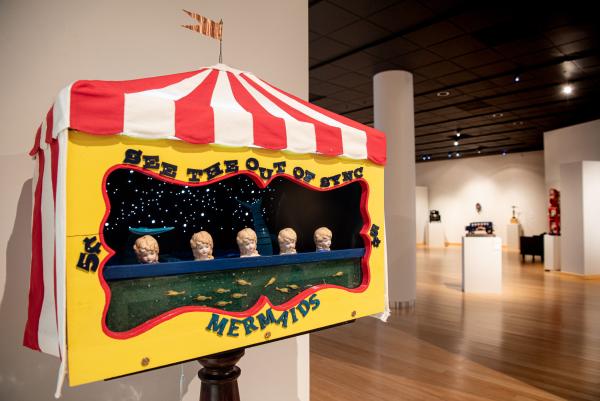
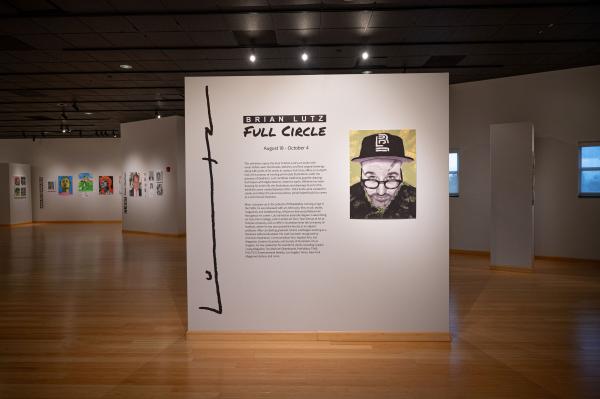
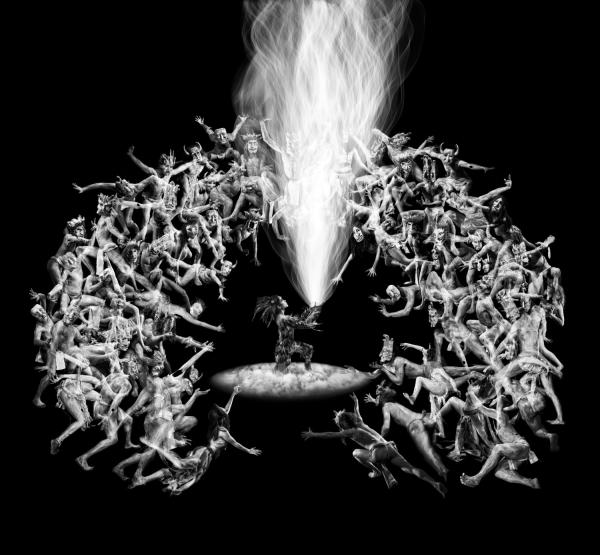
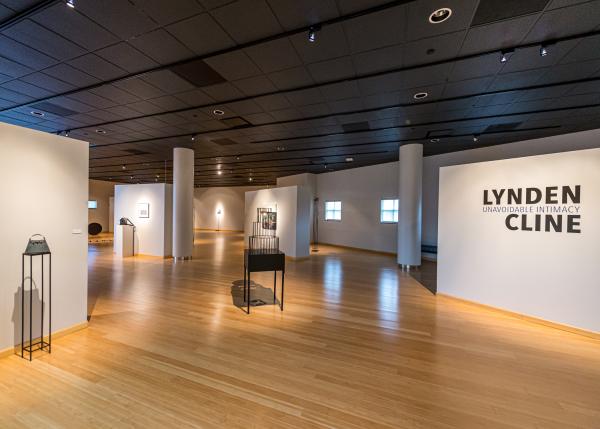
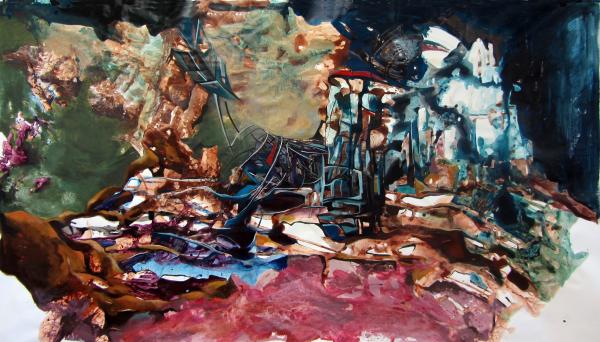
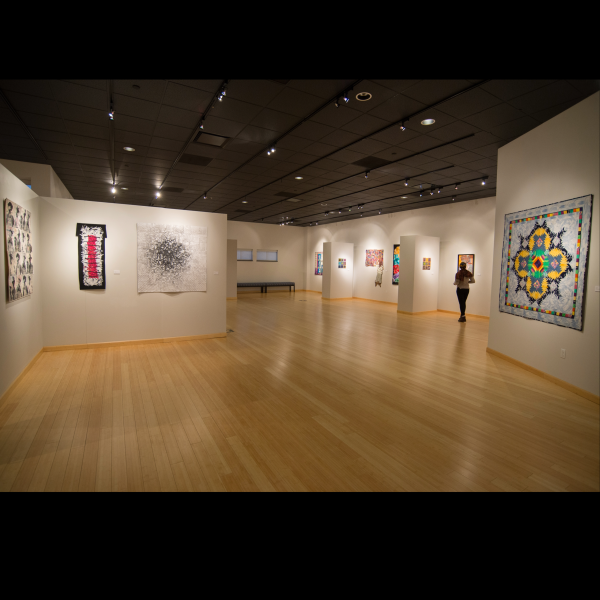
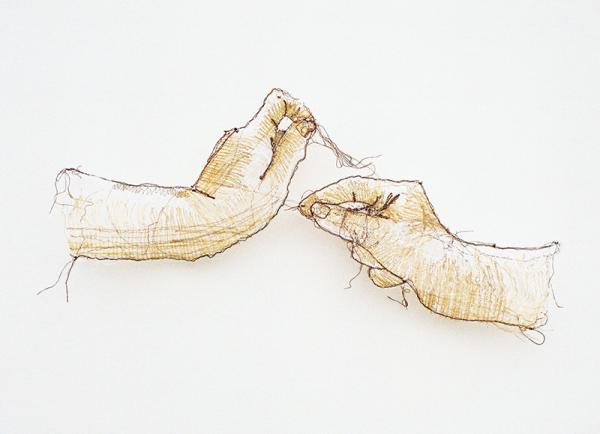
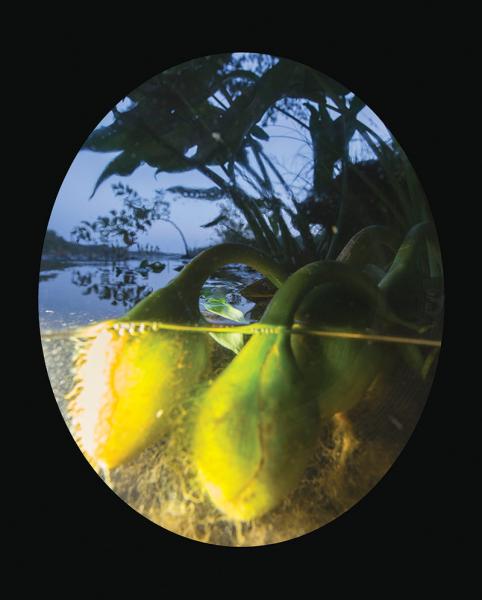
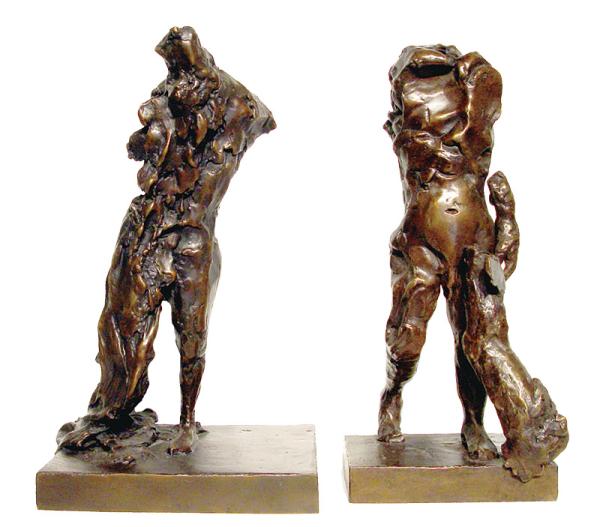
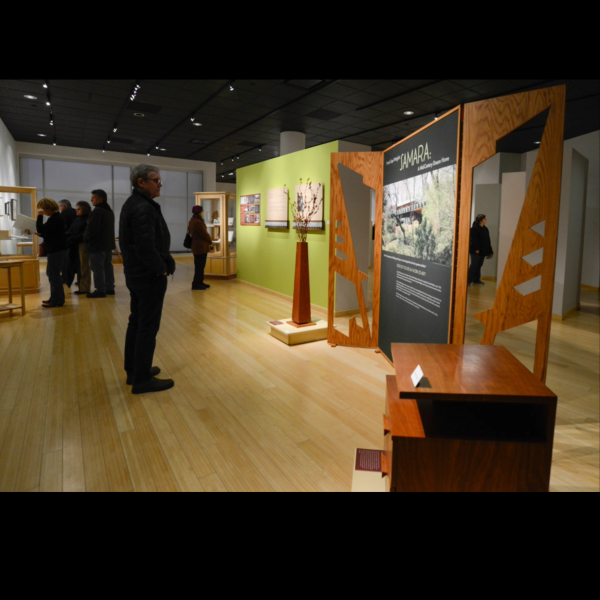
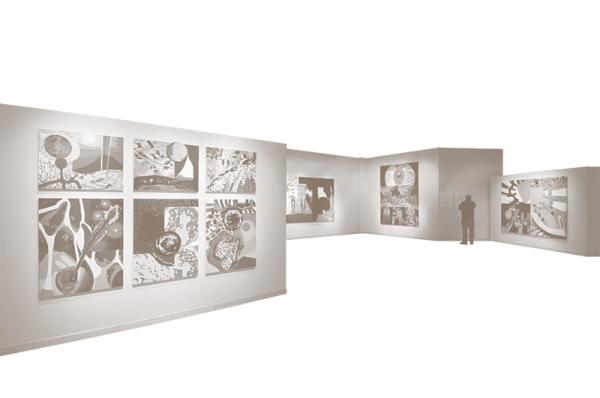
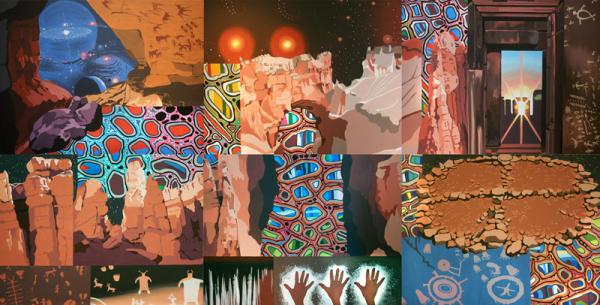
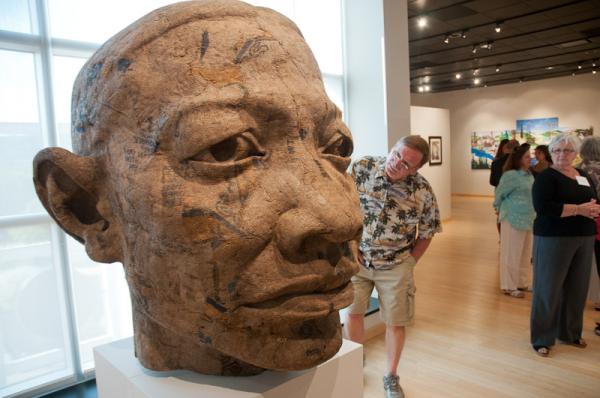
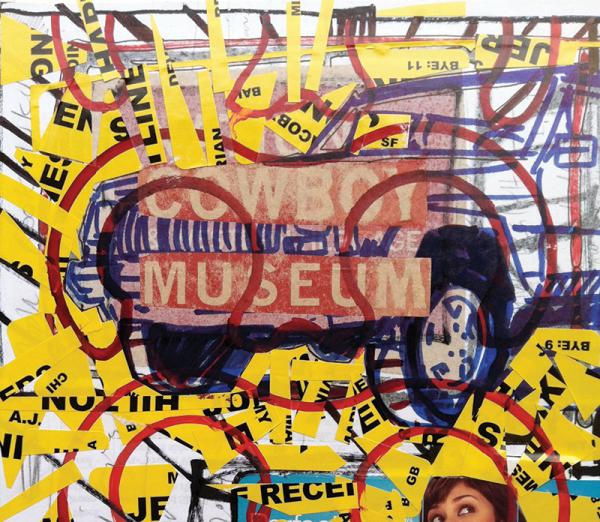
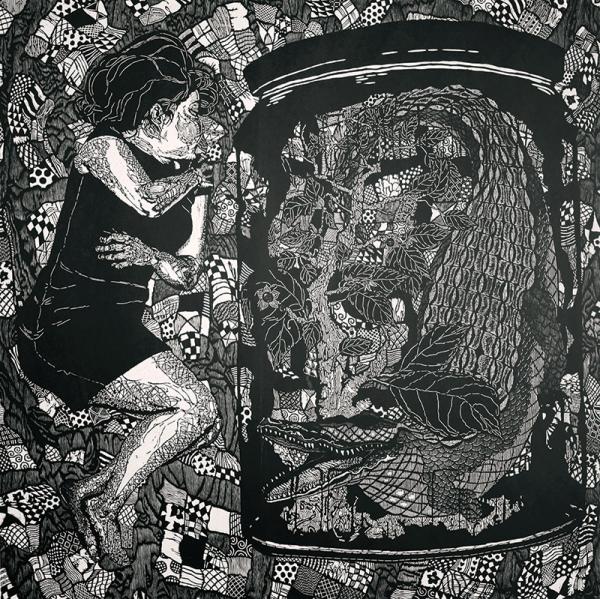
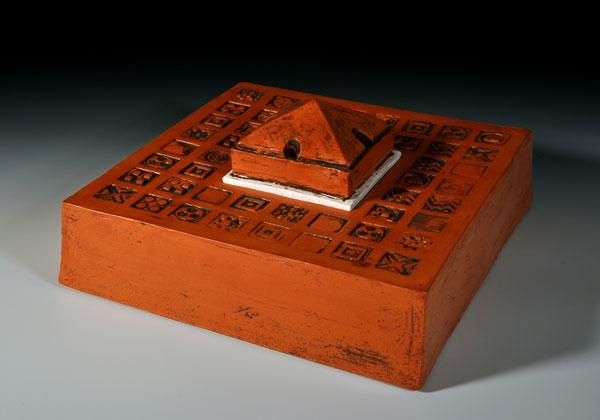
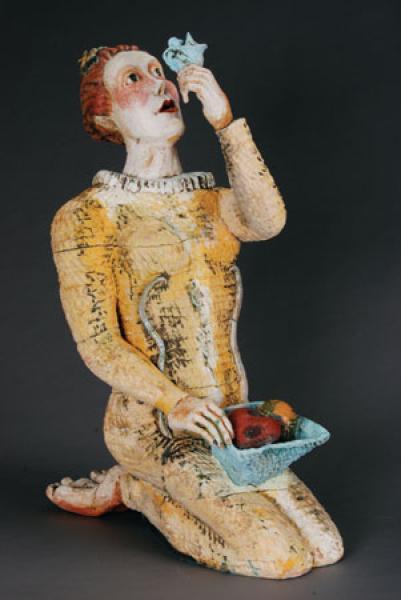
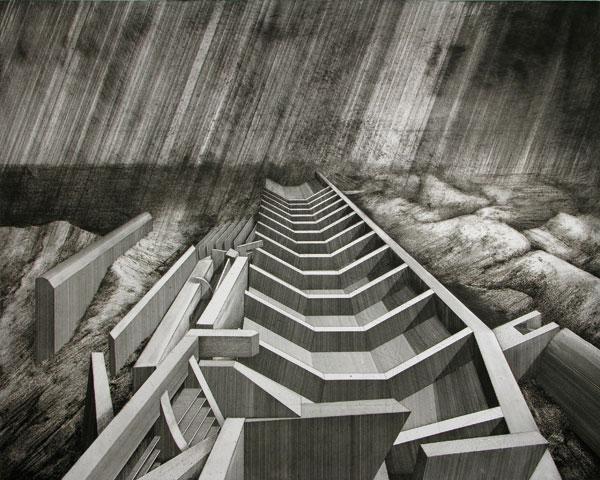
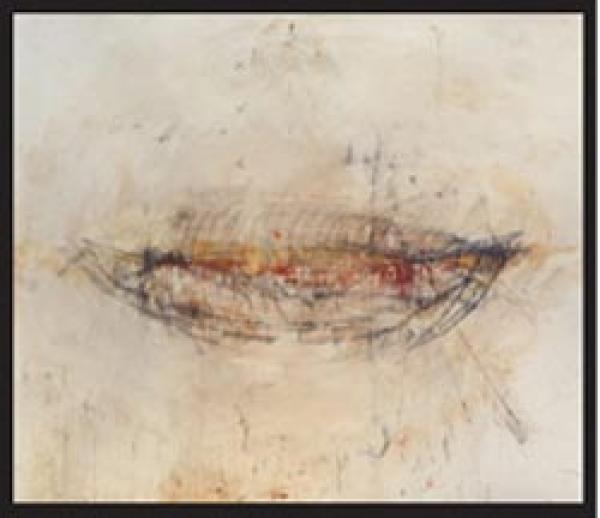
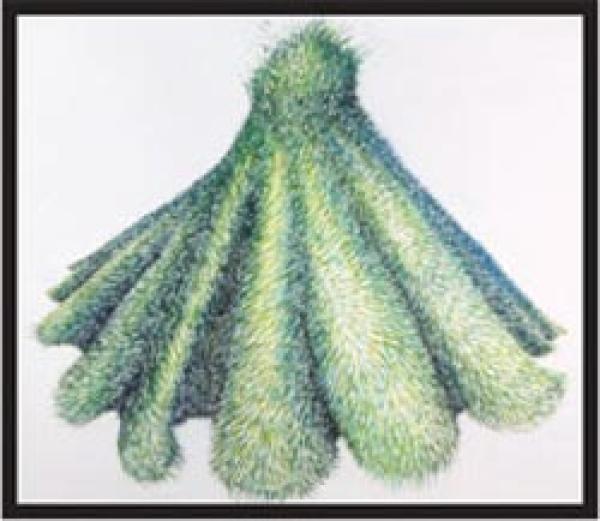
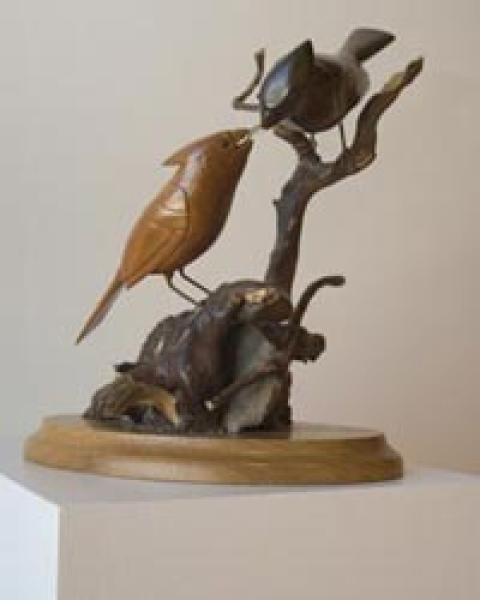
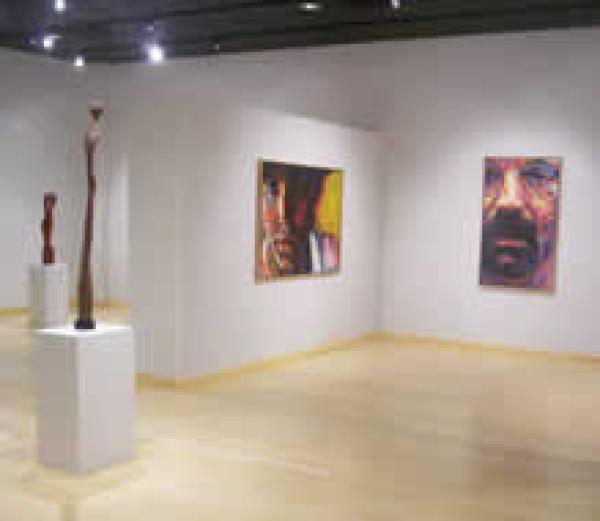
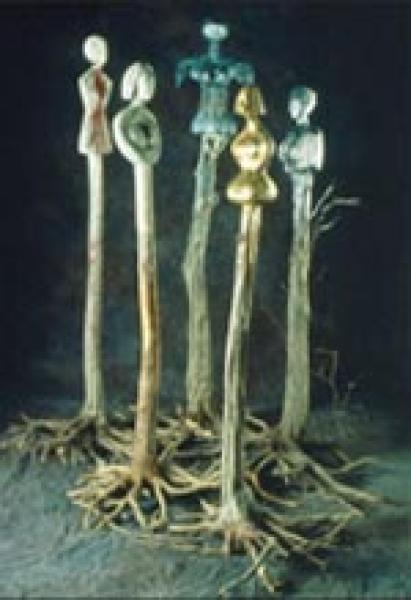
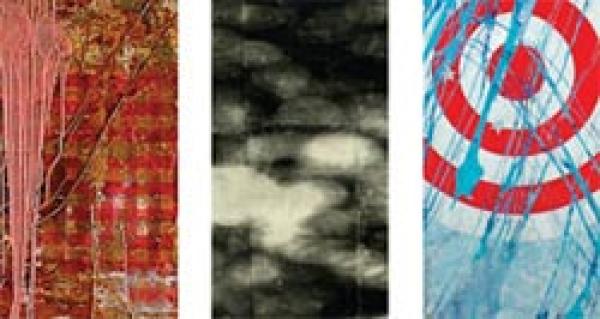
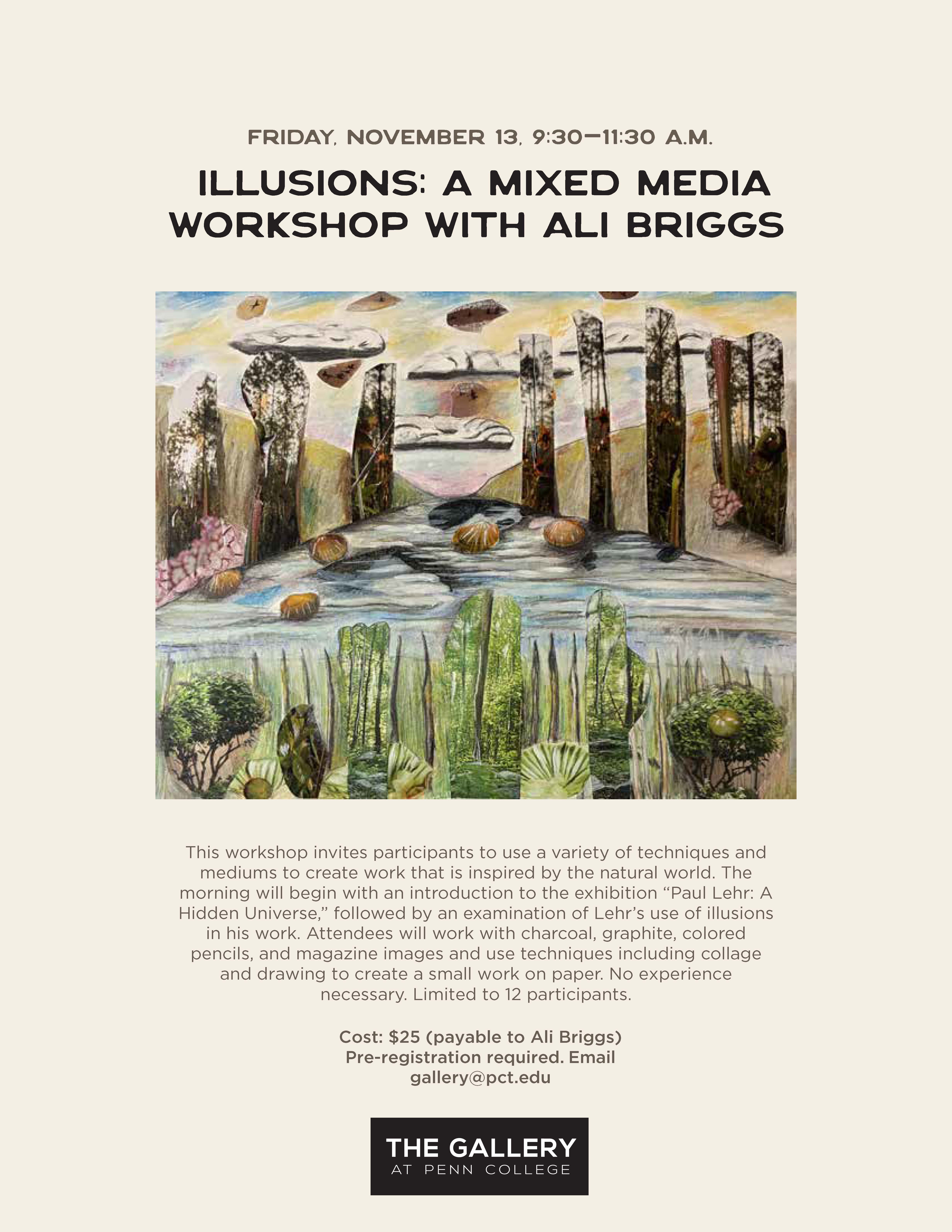
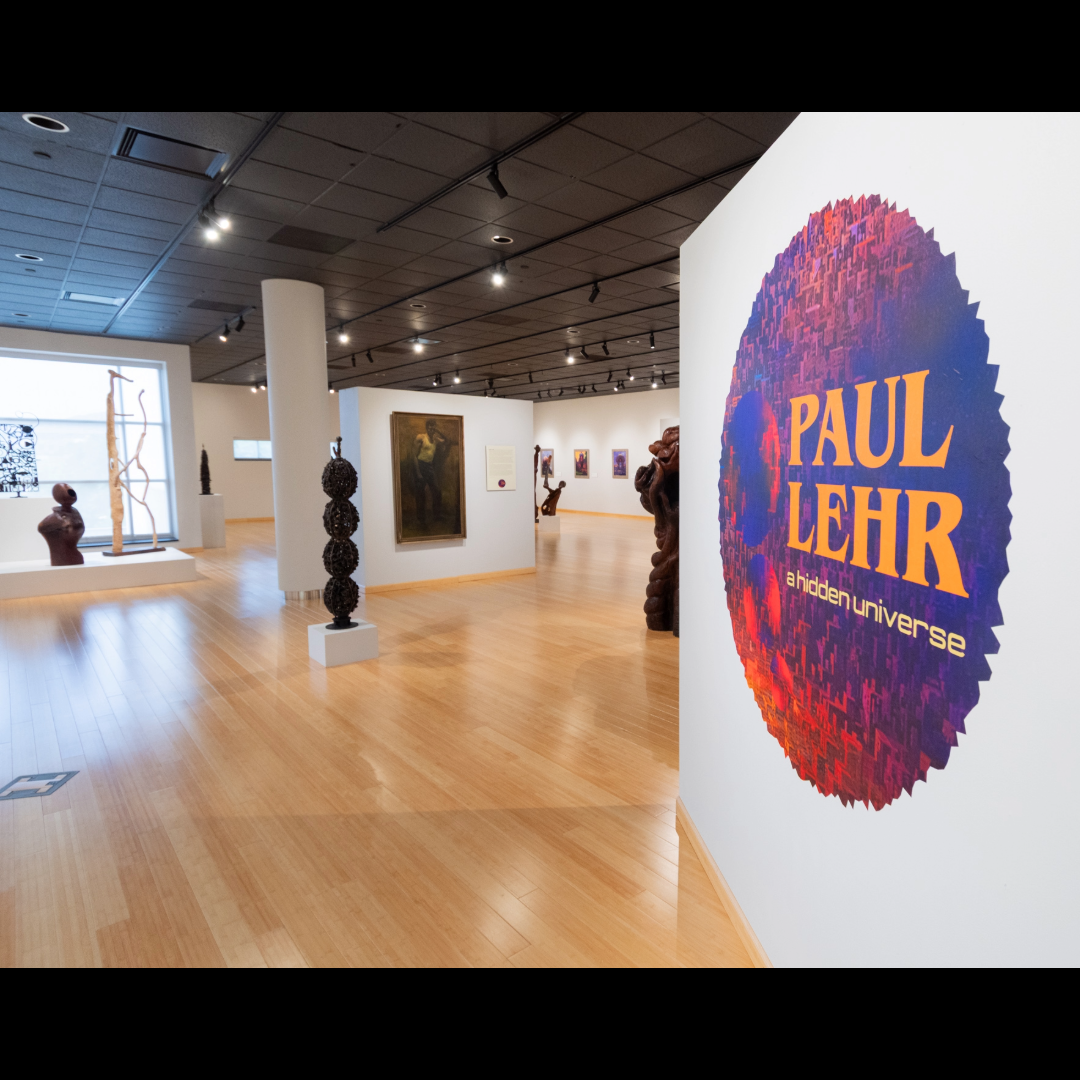
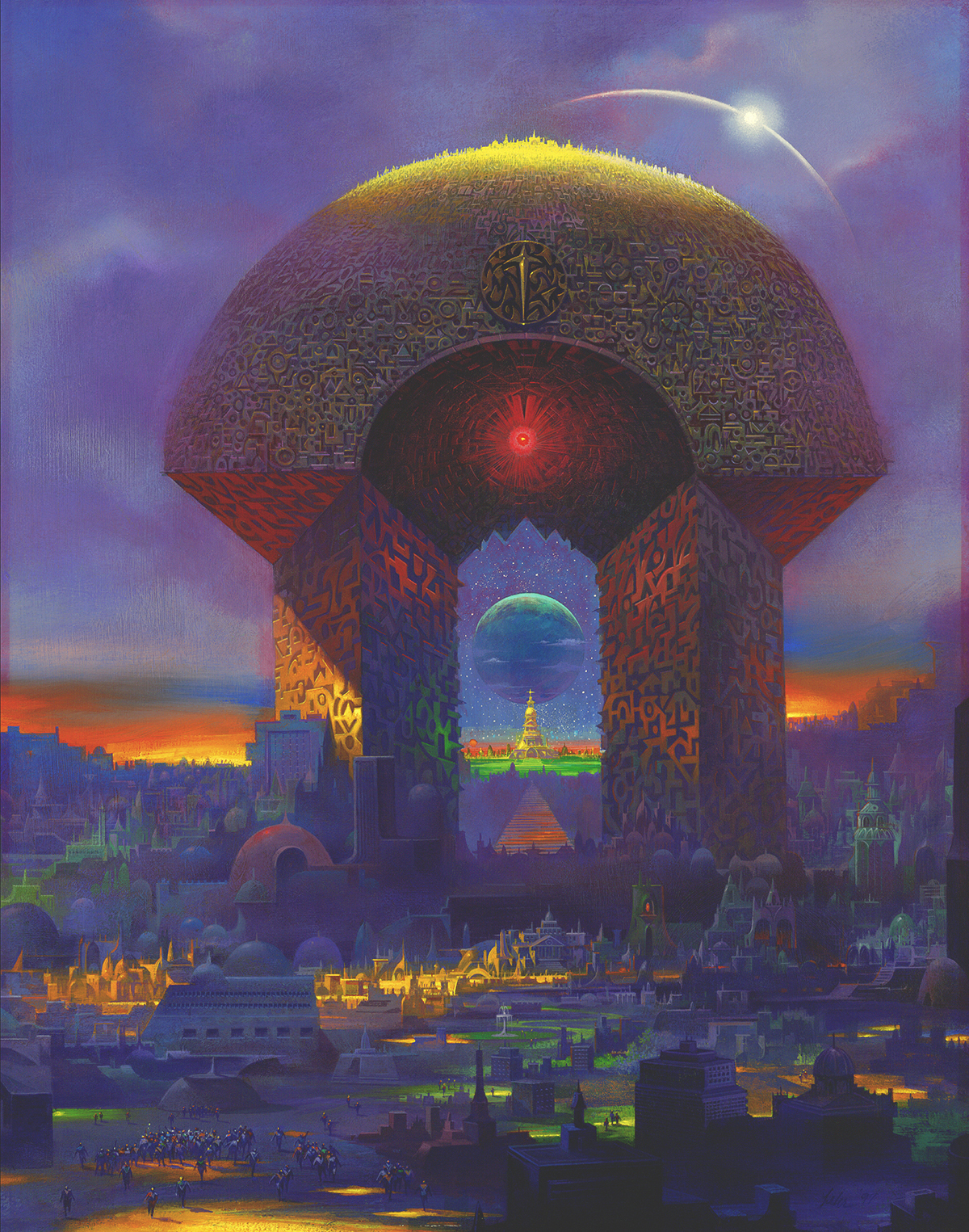
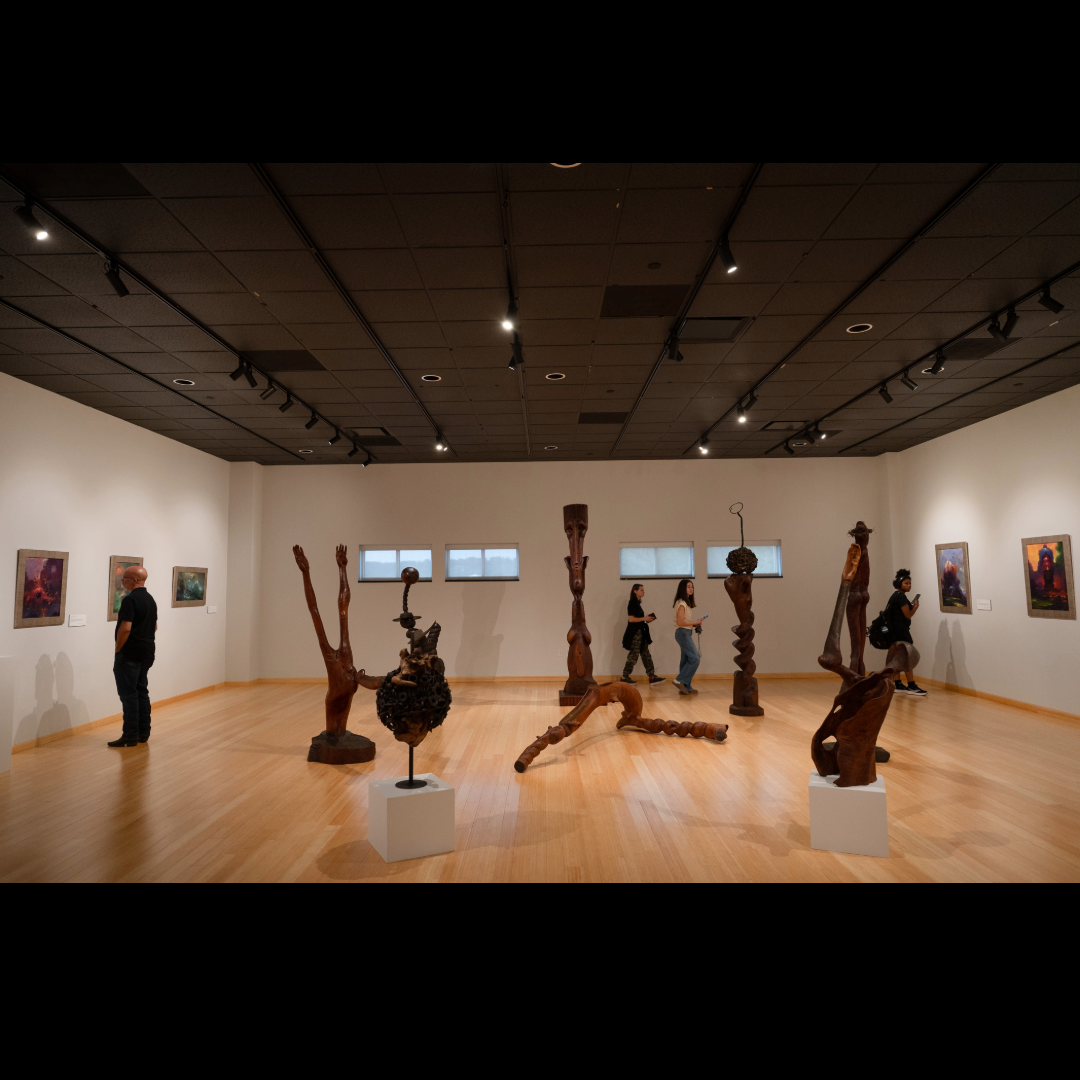
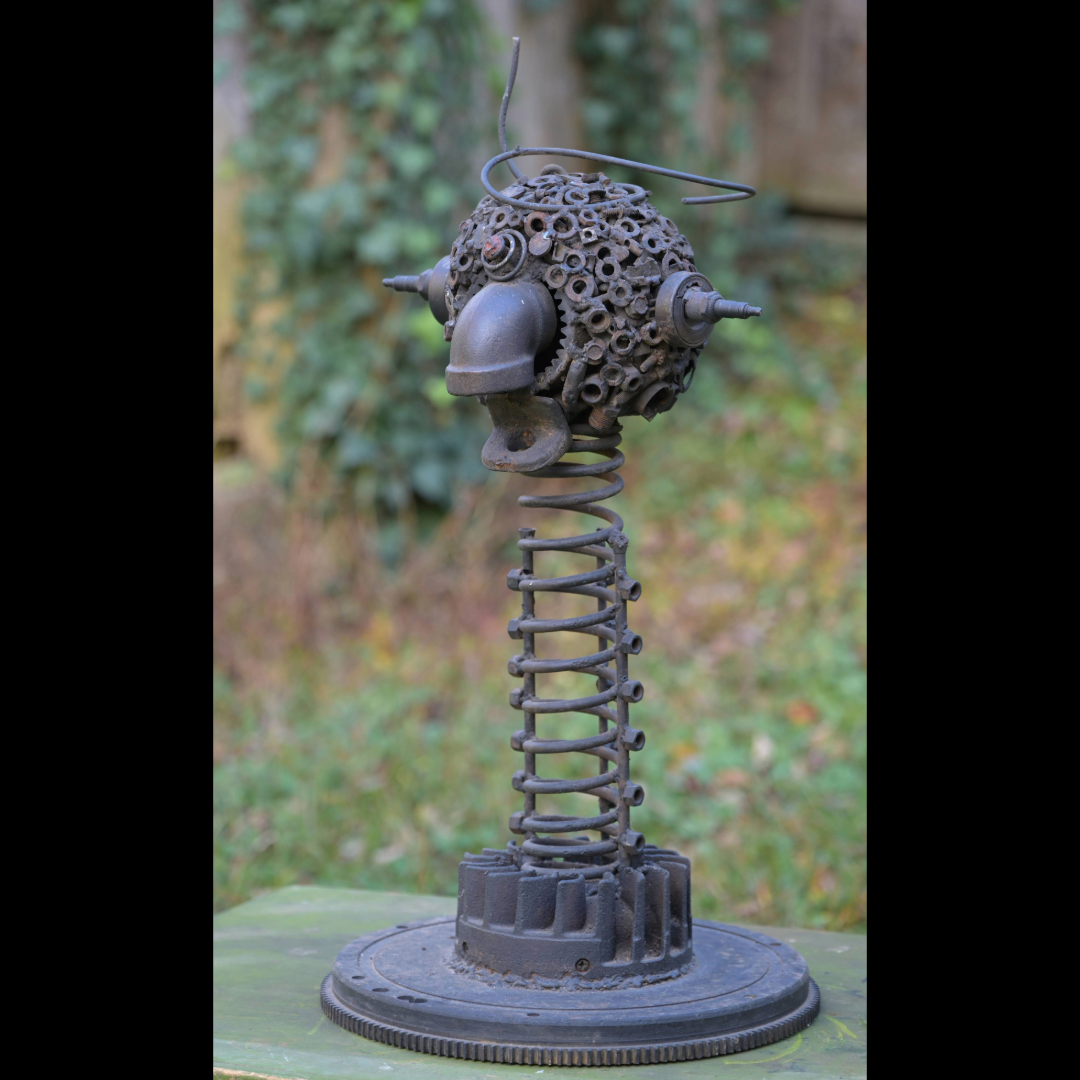
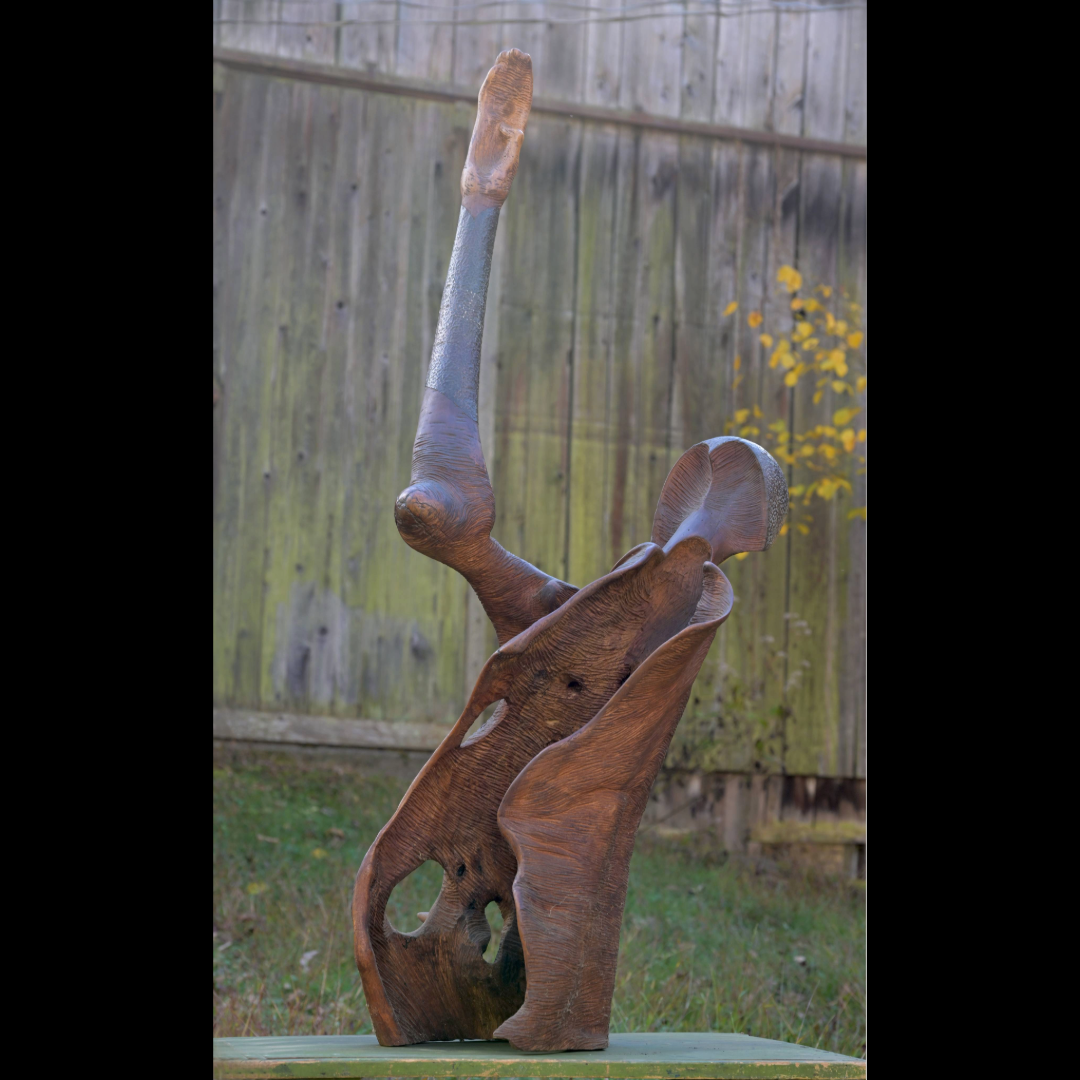
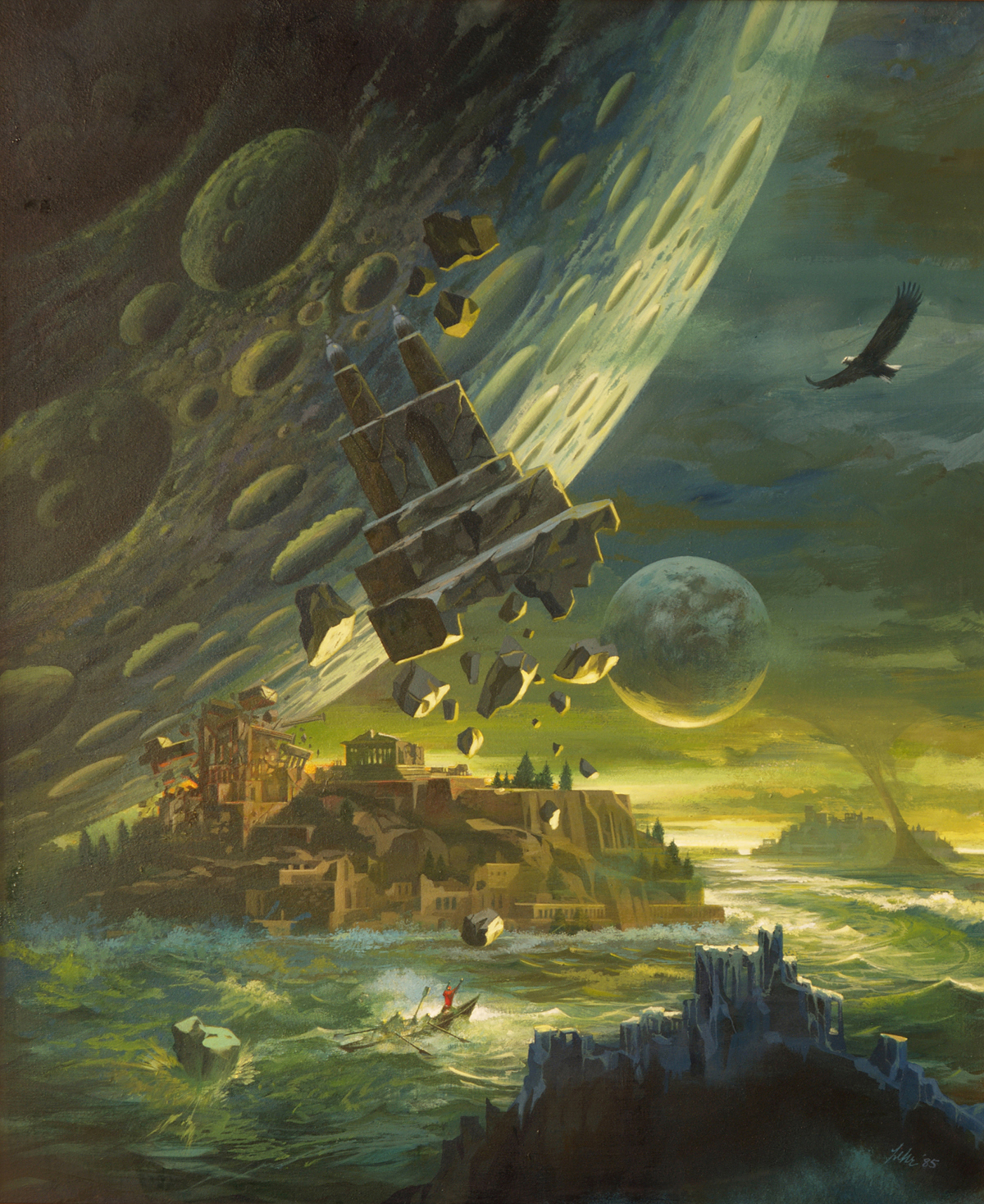
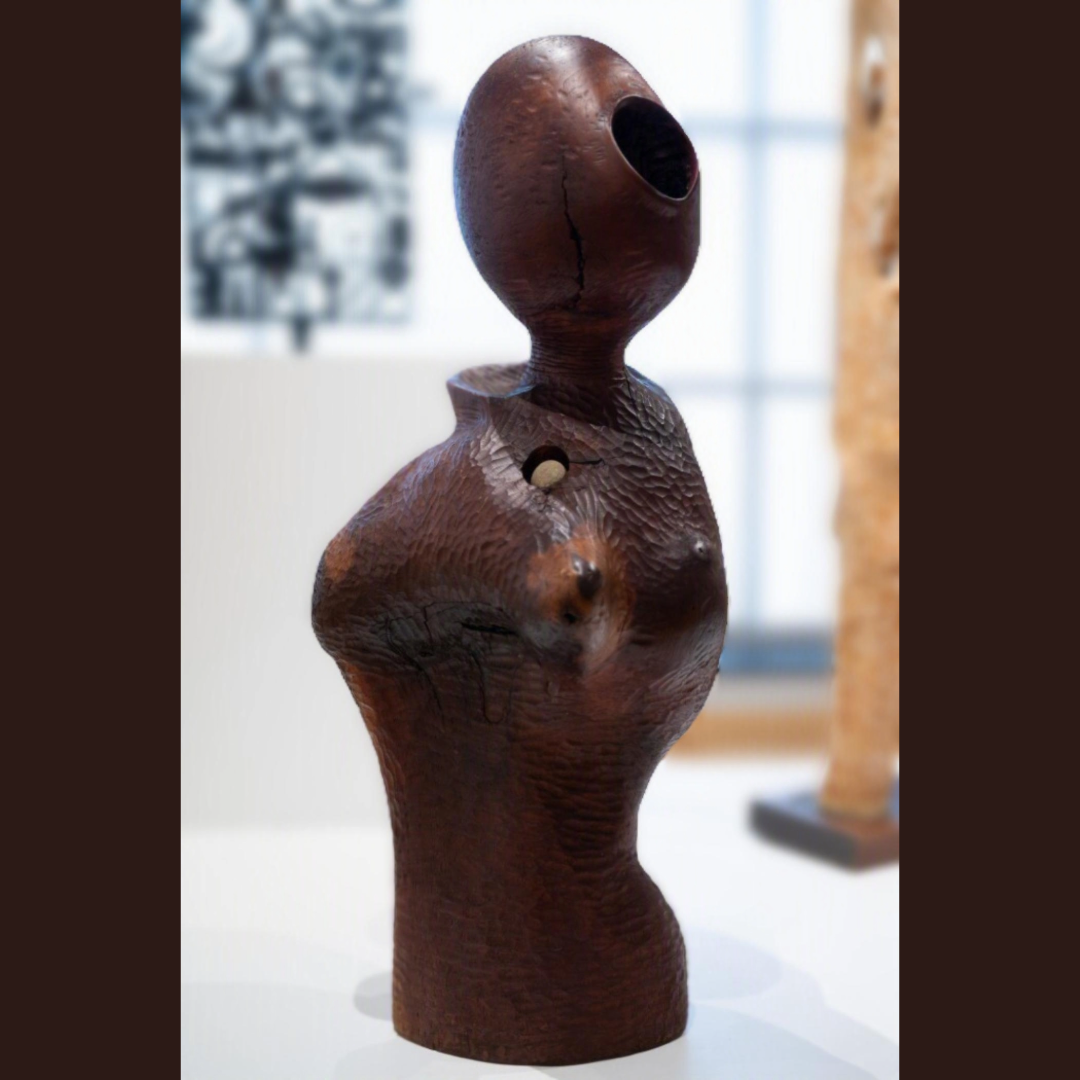
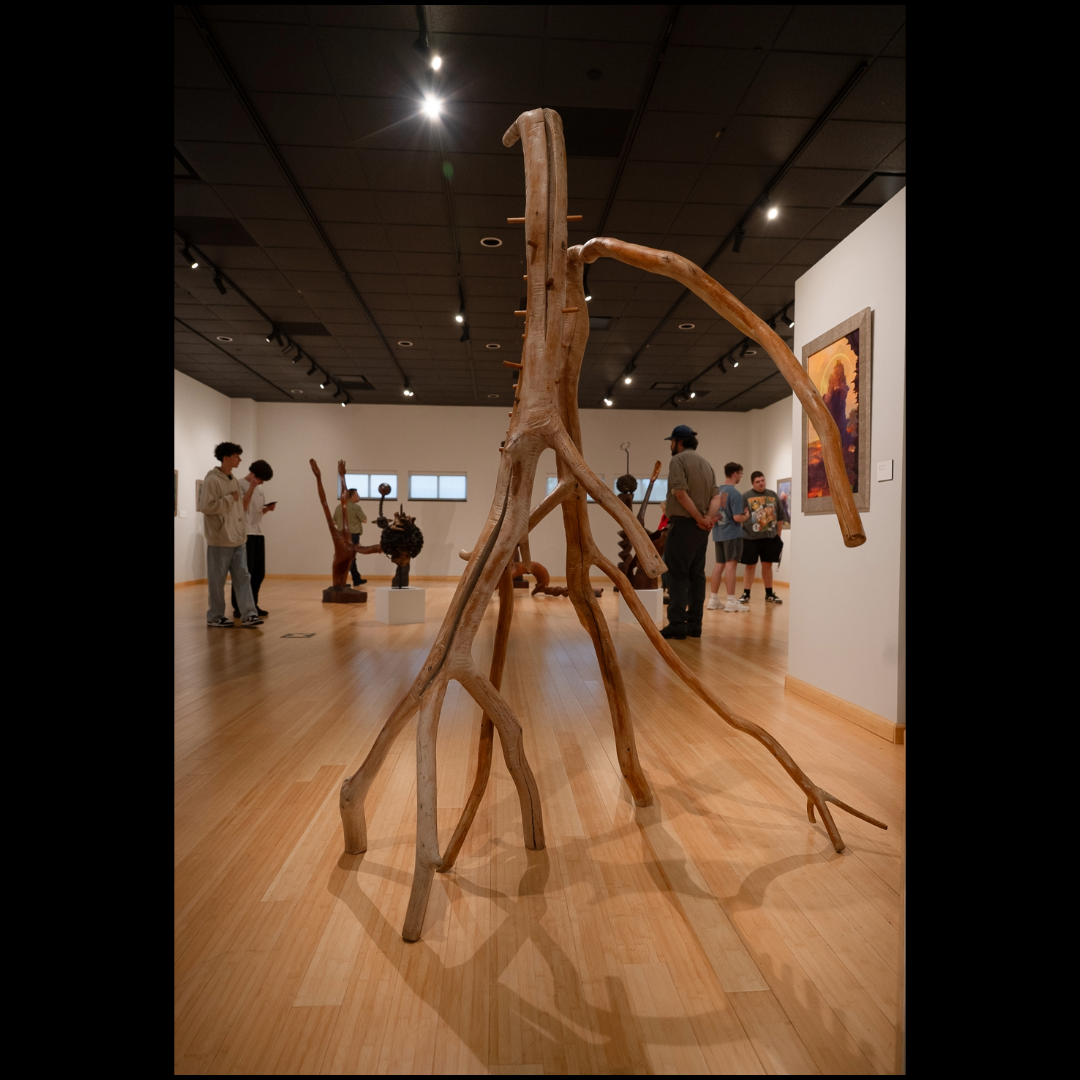
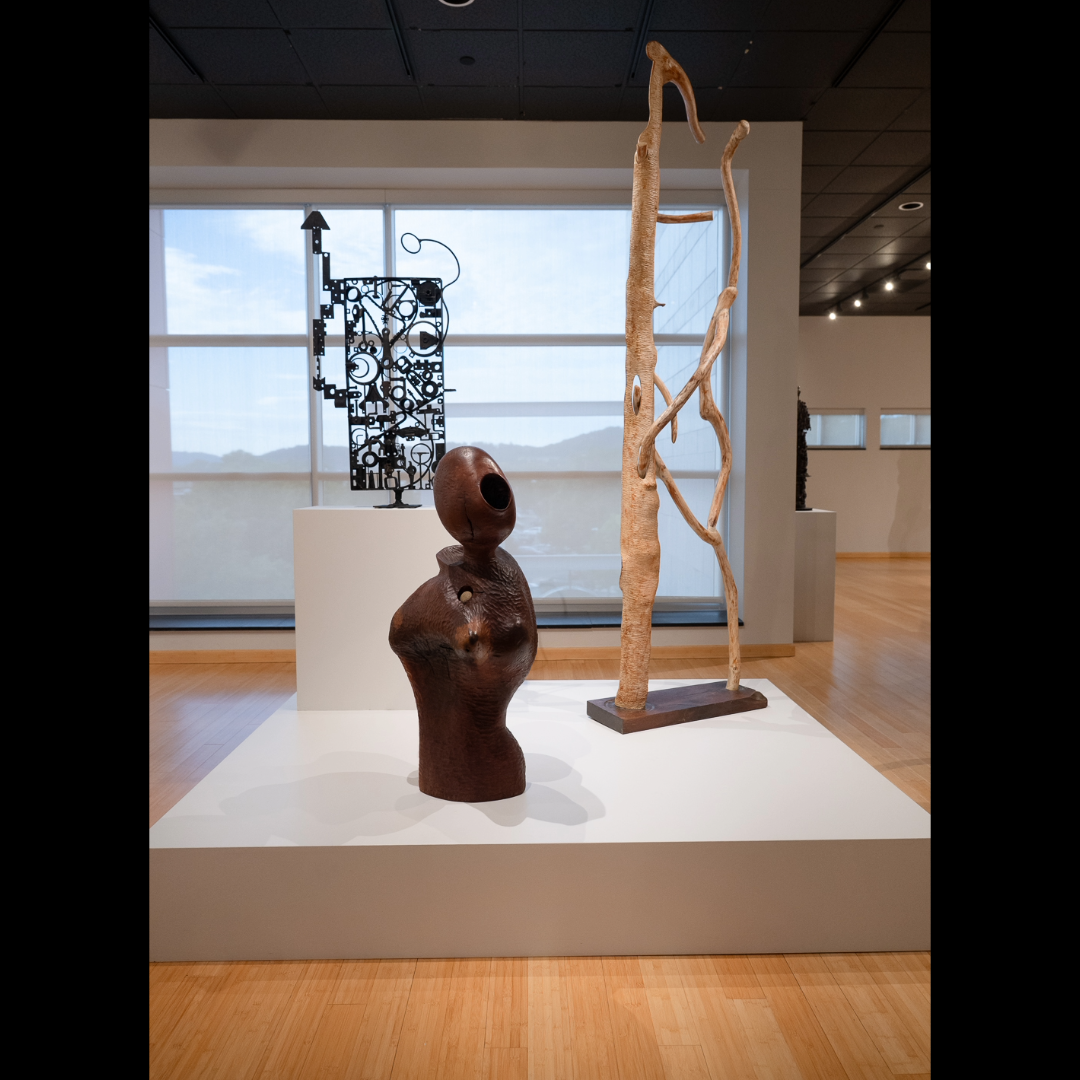
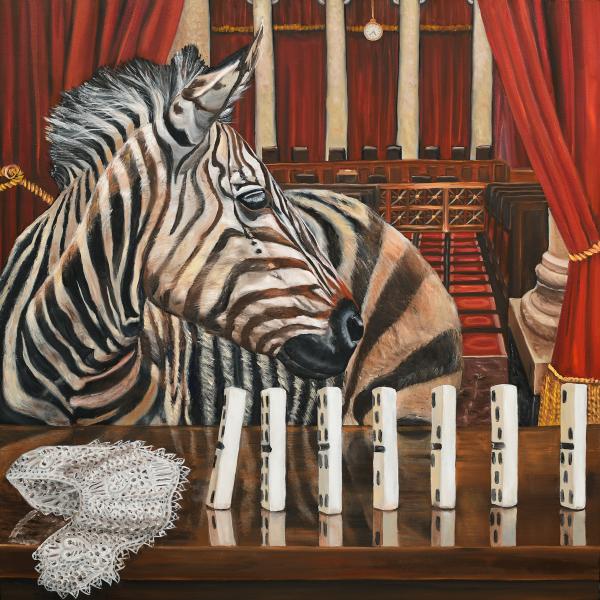
This exhibition brings together Paul Lehr’s science fiction paintings with a body of sculpture that remained largely outside of exhibition and public view during his lifetime. While his paintings achieved wide recognition through book covers and magazine illustrations, his sculptural work developed privately over many years. The sculptures were created in isolation in his barn studio in rural Pennsylvania, and range from large wood forms to small, intricate metal constructions. Shown alongside the paintings, they reveal another dimension of Lehr’s creative practice. Together, these works offer a broader understanding of his artistic range and a rare opportunity to experience the full breadth of Lehr’s work.
Paul Lehr (1930–1998) was an artist whose visionary science fiction paintings helped define the visual language of the genre. Born in White Plains, New York, he studied art history at Wittenberg University before attending the Pratt Institute in Brooklyn. From the late 1950s through the 1980s, Lehr produced cover art for hundreds of books, including titles by major authors such as Isaac Asimov, Robert A. Heinlein, and H. G. Wells. His work also appeared on the covers of—and within—leading science fiction magazines including Omni and Analog, as well as in publications such as The Saturday Evening Post, Time, and Life. Nearly a decade before it took place, he depicted the first moon landing; that painting is now in the collection of the Smithsonian's National Air and Space Museum.
In later years, as demand for illustration declined, Lehr continued to create science fiction paintings, producing some of his most accomplished work. Alongside his illustration practice, he developed a substantial body of sculpture, most of which remained unknown to the public. He continued working in relative isolation until his death at age 67.