Global Experience: Pioneers & Paradigms of Psychology in Europe

Austria, Czech Republic, and Germany

Learning Beyond the Classroom


In GLB 255: Pioneers and Paradigms of Psychology in Europe, you'll enjoy experiencing in person the cultures and regions of Europe that gave birth to the science of the mind and practice of Western-based counseling and therapy.

Explore changing cities in Europe where psychology as a science and practice evolved. Experience firsthand how models of thought and care for others have shifted over time through visits to historic hospitals, asylums, famous homes, and museums in Vienna, Austria, Munich, Germany, and Prague, Czech Republic. Guided sightseeing and lecture tours of popular cultural landmarks, events, and buildings will strengthen the connections you learn between the countries visited and the development of psychological practices and topics of the mind explored.

How does this work?

Students will apply what they are studying regarding the history of psychology over the semester and will accentuate their learning through an immersive experience over spring break, traveling for ten days to Munich, Prague, and Vienna to the birthplace of some of the first psychological laboratories, hospitals, and homes of psychological practitioners. This immersion will allow students to connect more deeply with understanding historical, psychological, and cultural forces that have influenced helping practices and the science of the psyche today.

Costs include tuition, flight, hotel accommodations, and tours.

March 5-14, 2025


Travel Highlights

Over Spring Break 2026, embark on an unforgettable journey through Central Europe, where you'll immerse yourself in a vibrant array of cultural experiences across the dynamic cities of Munich, Prague, and Vienna. 

Munich

Vienna

Prague

Details
  • Concentration Camp Memorial Site Tour: Learn how many founders of psychology were influenced by the Holocaust
  • Dachau Tour, Munich, Germany
  • Sigmund Freud Museum and University of Vienna
  • Learn about Existential Philosophy and Therapy through guided tours of the Kafka Museum in Prague and Viktor Frankl's Logotherapy Institute in Vienna
  • Visit psychiatric hospitals in Europe, such as the oldest European mental hospital, Narrenturm, in Vienna
  • Stay in 3-star hotels in Munich, Prague, and Vienna
  • Included in your travel is a daily breakfast and 4 dinners
  • Transportation to and from the airport will be provided
  • Excursion transportation will be provided by bus, public transit, and a river cruise boat
  • Prerequisites include ENL111 and PSY111 or SOC111 or ANT 113
  • Must meet PCT policies and procedures
  • 3-credit course
  • Specific subject focus on the History of Psychology and mental Health Care & Western Psychotherapies and Treatments

Successful completion of the course will satisfy the following electives: psychology minor, social science perspective, historical perspective, human service application (200 level), open elective, and cultural diversity perspective elective.

Billable Expenses
  • Program Cost: $5300 (includes airfare)
  • Shuttle to/from airport: $200 (approximate)
  • International insurance: $30 (approximate)
  • Tuition/Fees (in-state): $623/credit x 3 = $1,869

Total: $7,399 (approximate)

Non-Billable Expenses
  • Some meals & incidentals: $500 (approximate)
  • International phone plan: $100 (approximate)

Total: $600 (approximate)

Grand Total: $7999

Billing

All billable expenses appear on a student’s semester bill as: Tuition/Fees (credit hours) and International Travel Fee (program and travel costs). Some costs and expenses are estimates. Payment overages will be refunded to students after all trip costs are reconciled on June 30.

Financial Aid

Most financial aid you would receive on campus can be applied toward the cost of this program. All financial aid eligibility is determined by Financial Aid. 

Scholarships

PCT offers many study abroad scholarships with various eligibility criteria. The Spring-Summer 2026 application deadline is October 17, 2026. Apply by submitting your interest to Mindy Gunn meg45@pct.edu.

Eligibility

Good standing - A status indicating that a student is not under any disciplinary sanctions, has no unsatisfied financial obligation to the College, and is not on academic probation or suspension. 

Committing to your Program

All students register for their program during the normal advising period in the semester prior to the program start. Registration in the course constitutes commitment to the payment terms. Semester bills will include the associated billable expenses of tuition/fees and the International Travel Fee. 

Withdrawal Policy

Students will be subject to the Termination, Drops, and Withdrawals Policy (P4.31) and the Refunds Policy (P5.23) for the tuition/fees and International Travel Fees associated with the course. Travel-related costs may be refunded to the student to the extent those costs have not already been contractually committed by the College to outside parties. Note that contractually committed costs increase closer to the travel date. In cases where program costs are divided evenly among all participants, the student’s portion of costs will be considered contractually committed and non-recoverable. If at any point prior to travel, a student is no longer in good standing, they may be removed from the course and prohibited from traveling. Those students may receive refunds minus all non-recoverable costs.

Experienced Faculty

Meet Your Faculty Guides

Dr. Slamka analyzing Dr. Cooley
Rob Cooley
Faculty

Professor, Anthropology/Environmental Science

Learn More About Rob Cooley
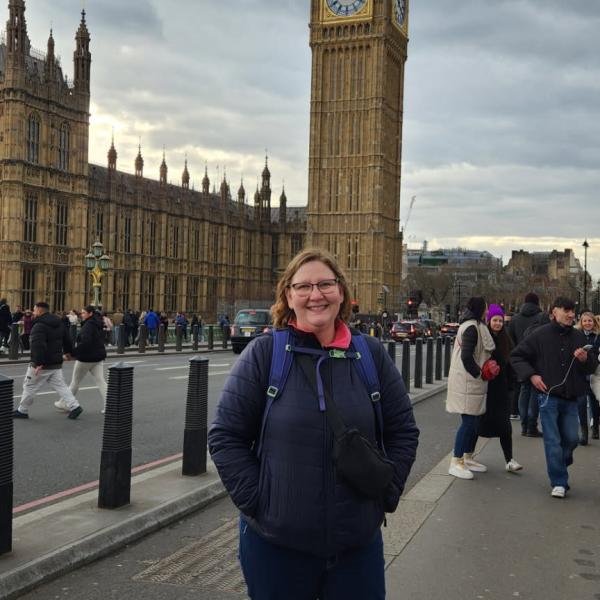
Susan Slamka in front of Big Ben
Susan Slamka
Faculty

Associate Professor, Psychology

Learn More About Susan Slamka
Global Experiences

Insights from Global Journeys

“I am very much a ‘put it in perspective’ kind of learner,” said human services & restorative justice student Madison E. Beasley, of Jersey Shore. “Seeing everything we’ve been talking about was a very good way to gain an understanding.”

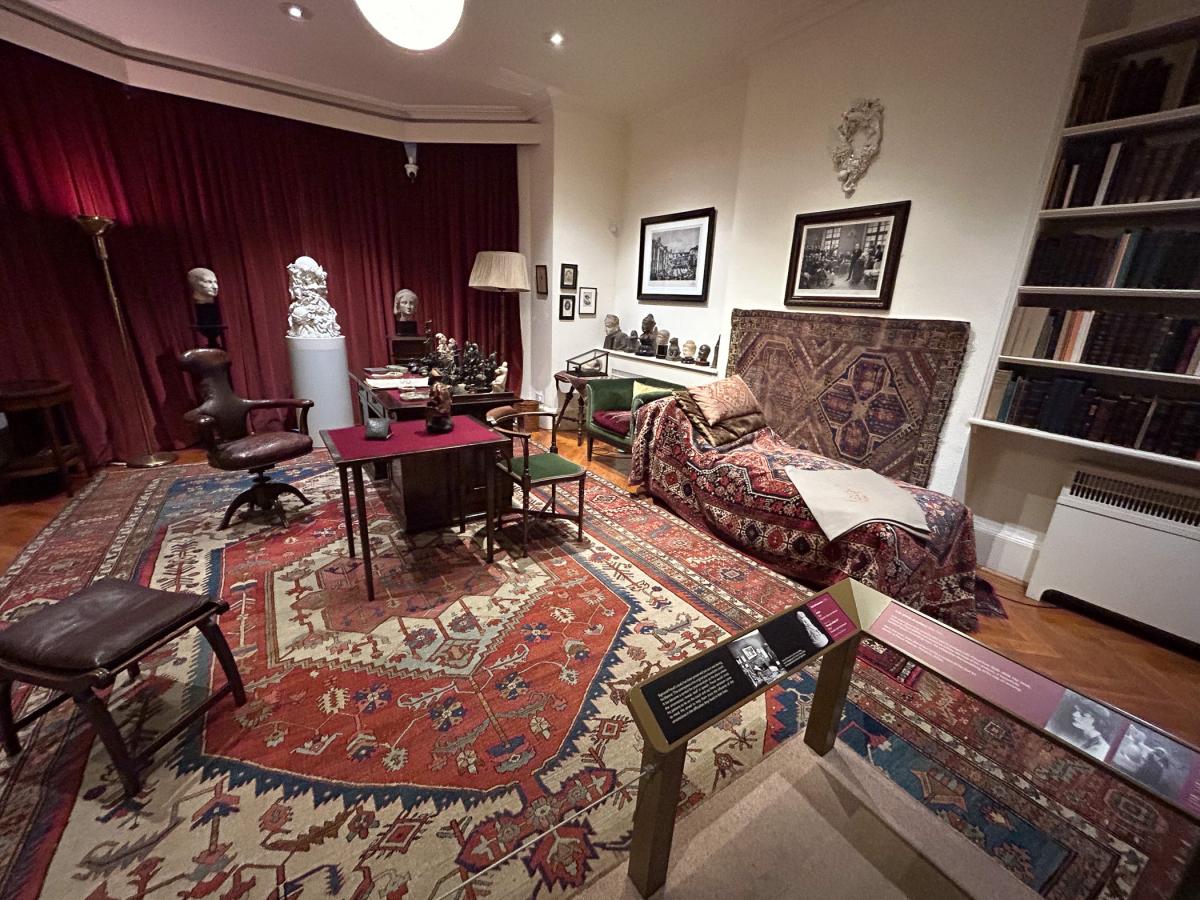
Walking Darwin’s “thinking path” and seeing the way the theorists set up their homes and offices shed light on their personalities.

“You really get the backstory on these theorists that you never would if you just read about them in books,” Koons Slamka said.

Cooley recalled a student’s observation that the U.S. has “some catching up to do” in mental health care: “Travel has influenced this student to make things better here in the U.S.,” Cooley said. “To me, that’s what it’s all about.”

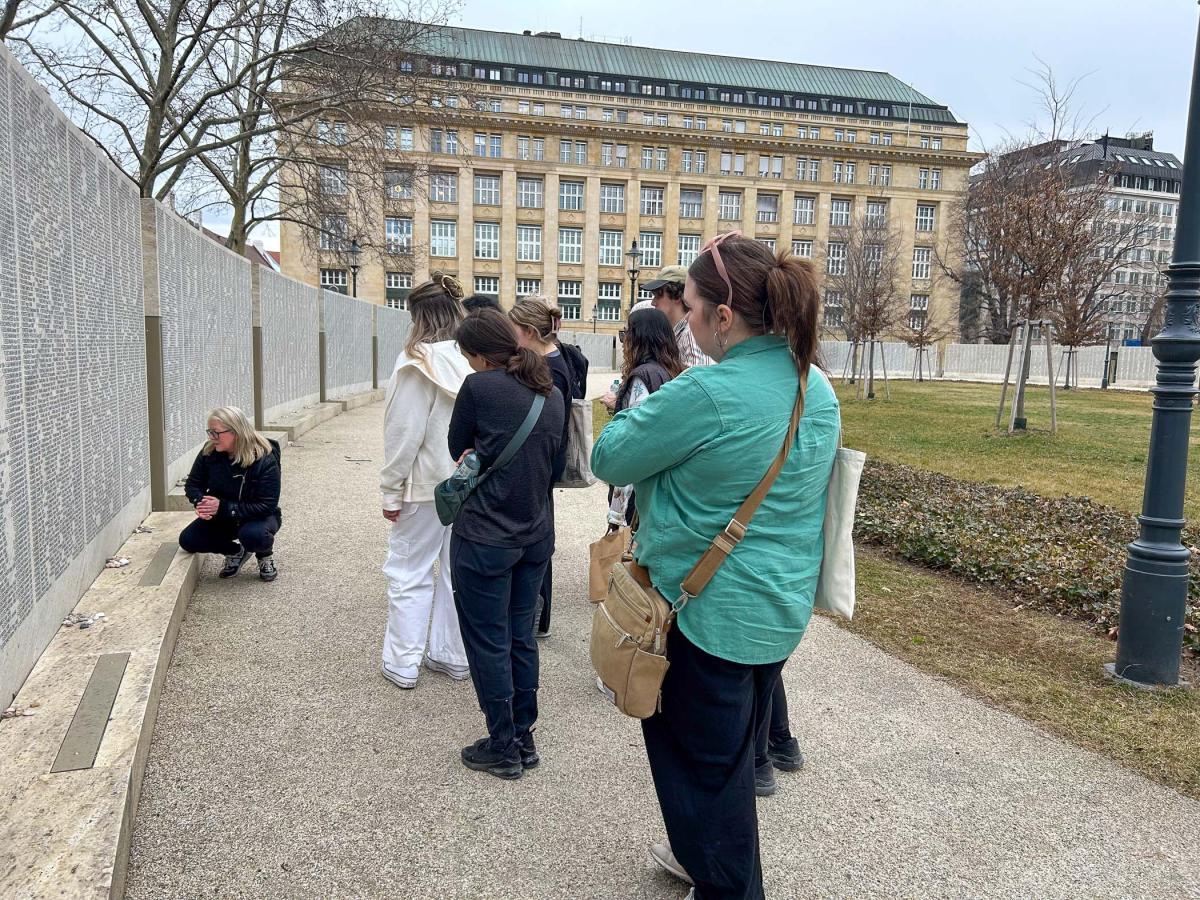
Students observe Vienna's Shoah Wall of NamesStudents in the Freud MuseumOffice of Sigmund Freud


Contact

Interested?

For more information about this course, contact Rob Cooley and Susan Slamka, your Faculty Guides for this Global Experience.

Questions?

For general questions about Global Experiences, such as study-away programs and student exchanges at Penn College, contact Daniel Clasby, Assistant Dean of Academic Operations.