About this program

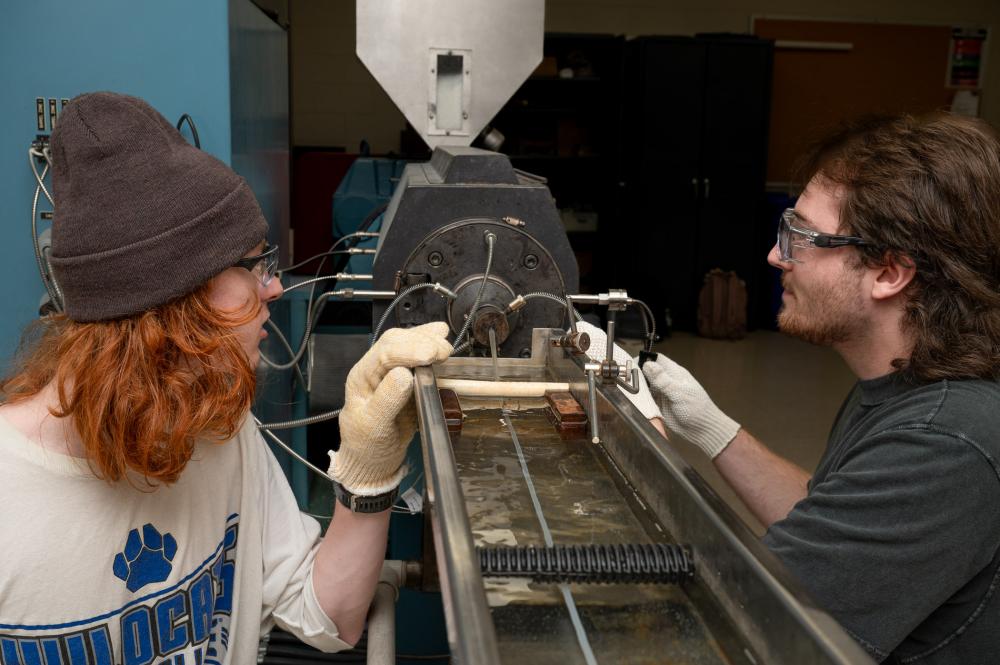
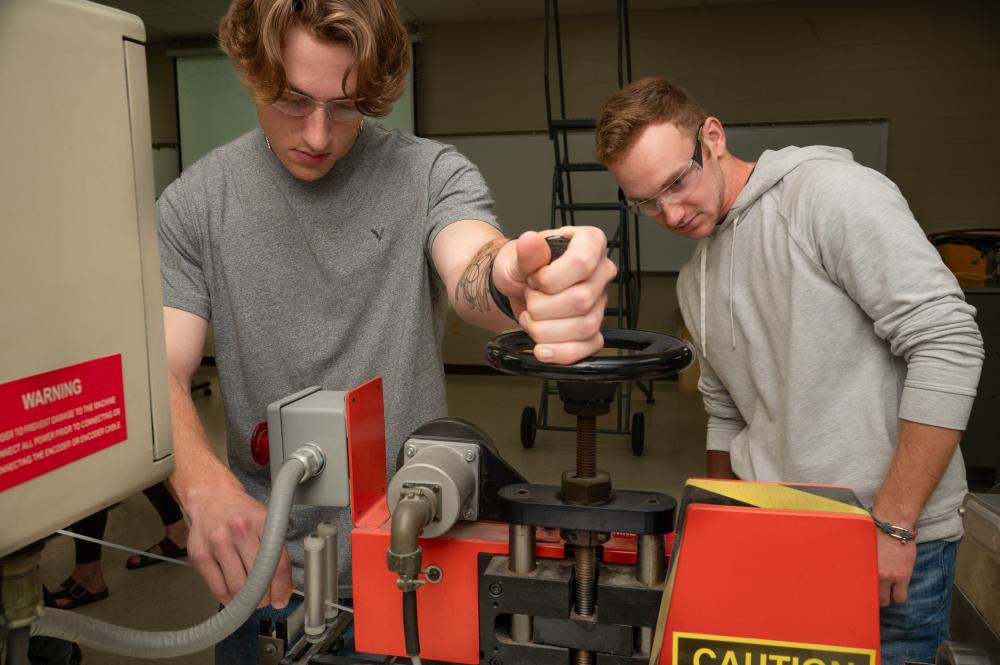
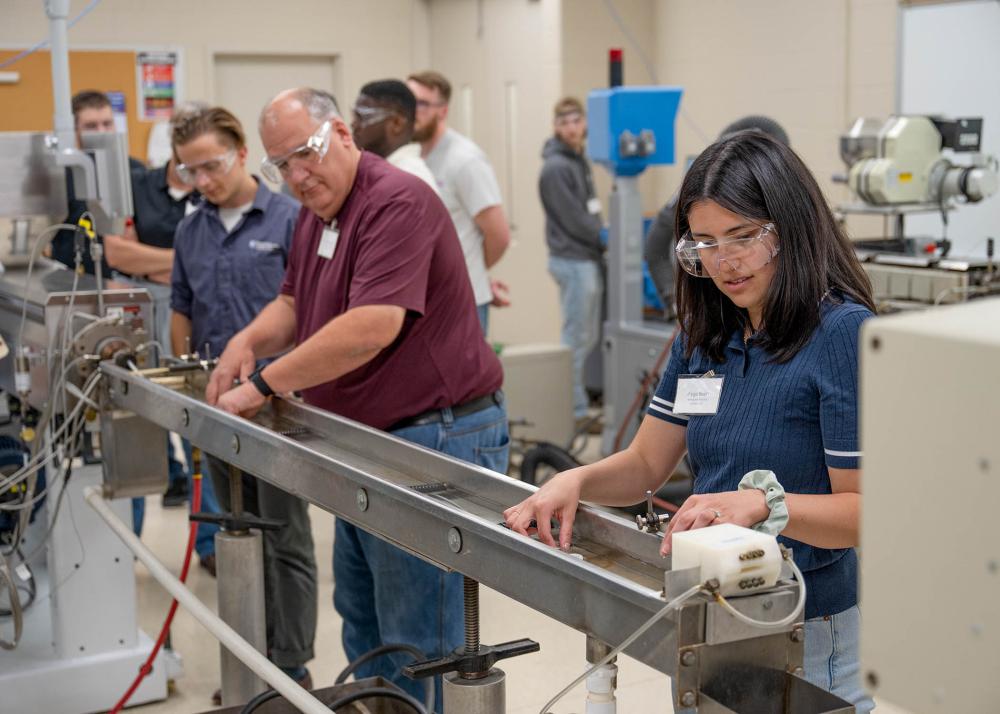
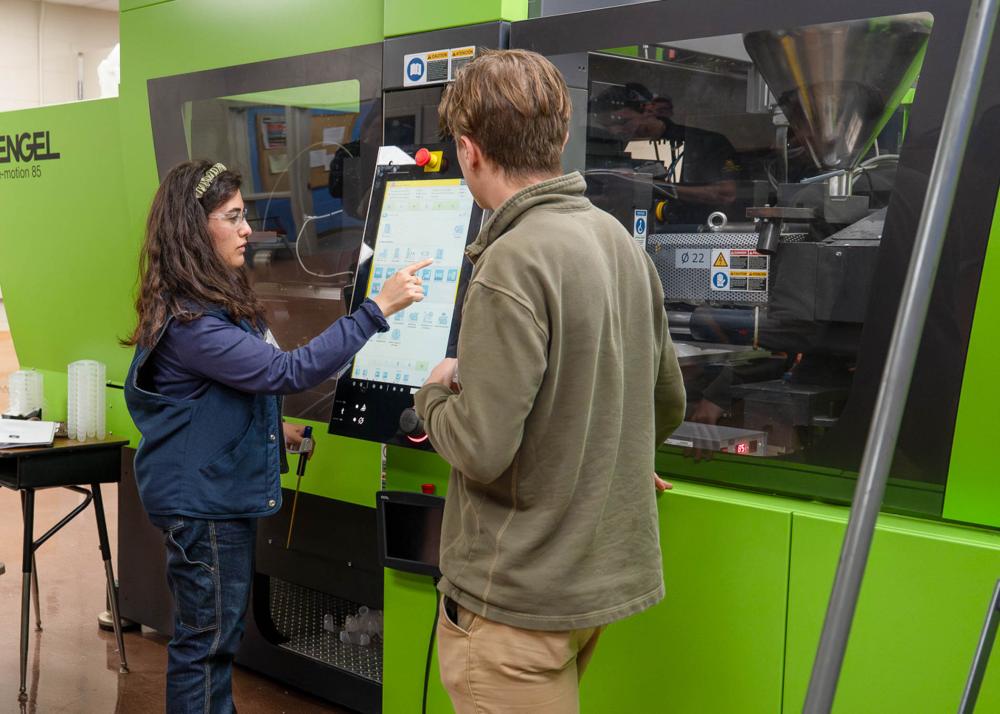
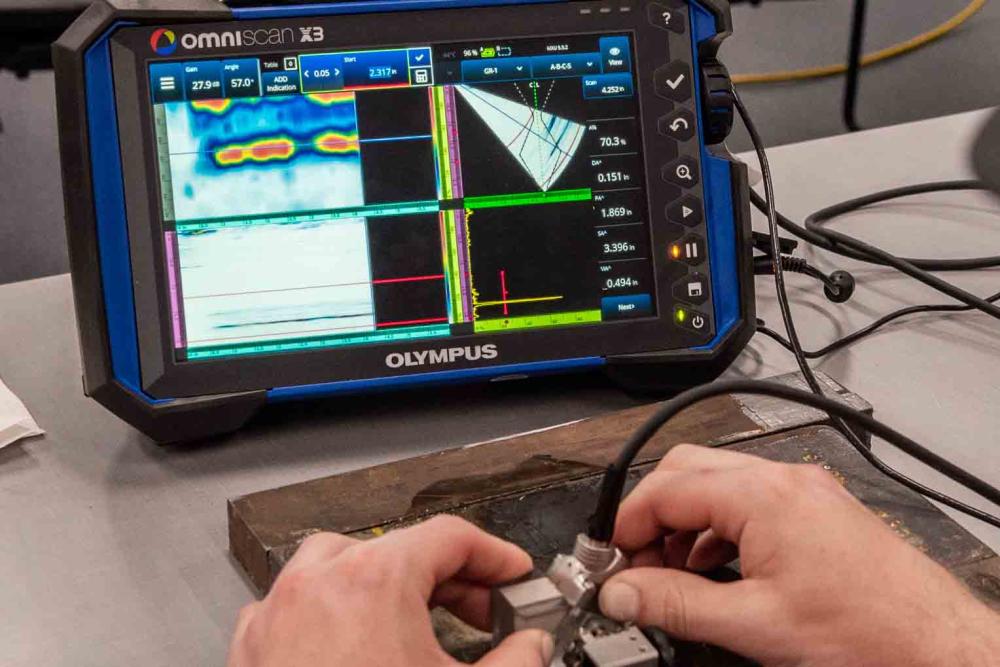
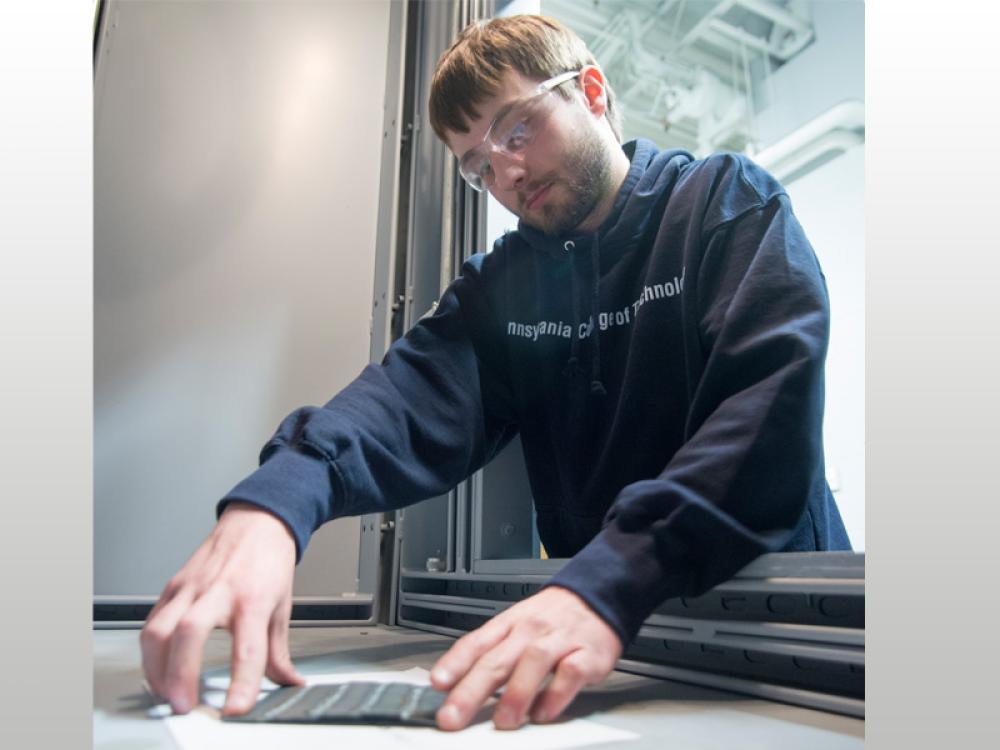
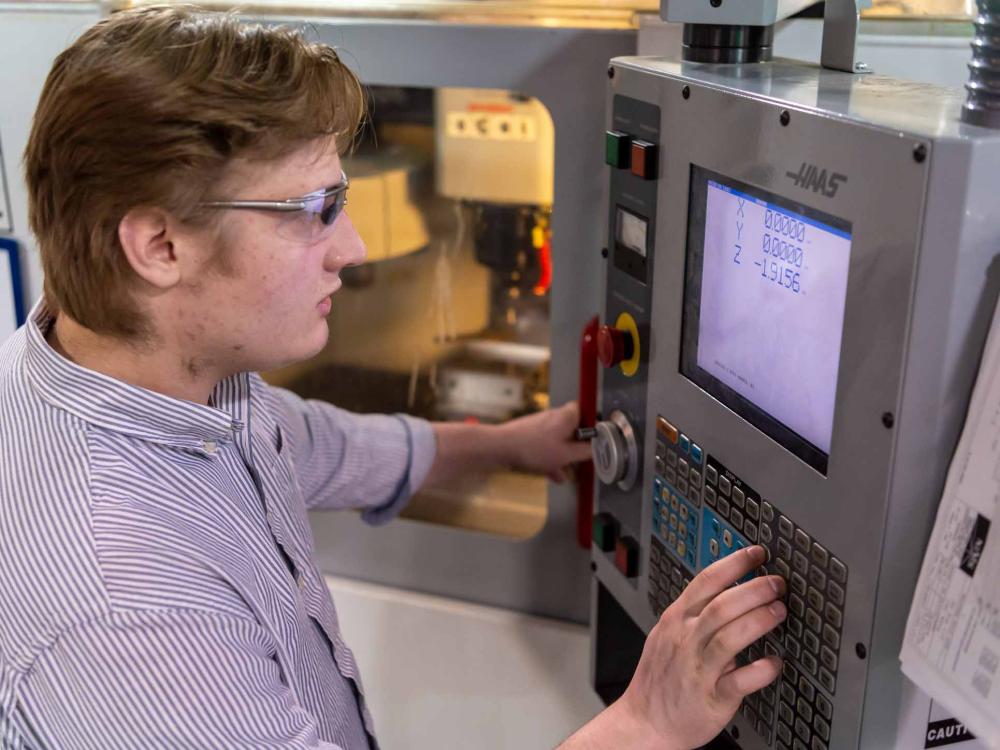
In just one year, you can gain the skills needed to become a machine operator in the rapidly growing field of polymer manufacturing. Polymers, commonly known as plastics, are used everywhere; from medical devices and residential construction materials to automobiles and aircraft. Industry demand for skilled operators is high, and this program prepares you to meet that need through hands-on labs taught by experienced faculty. By graduation, you will be ready to move directly into a career in this essential field.

Are you currently a high school student? Find the information you need to pursue Polymer Processing Certificate while in high school. 

Next steps...

You're on your way to becoming a tomorrow maker.

Industry-aligned Education

$21.85

Median pay

College Certificate in One Year

Careers

  • Extrustion machine operator
  • Injection mold operator
Courses

At Penn College, we believe your educational experience should go beyond specialized skills. Real-world ready means taking a broader approach that builds communication skills, inspires collaboration, and encourages exploration of arts, history, and science.

​​Specialization requires in-depth knowledge and high-level proficiency. Students learn and apply major-specific concepts, skills, and methods.

  • FYE101First Year Experience
  • MTHP4 Select One Course: MTH123 or MTH181
  • PPT118Polymer Processing Survey - Lecture
  • PPT119Polymer Processing Survey - Lab
  • MSC127Introduction to Polymer Science
  • MSC128Introduction to Polymer Science Lab
  • PPT129Polymer Testing Lab
  • QAL131Introduction to Quality Control
  • ENLP1 Select One Course: ENL010 or ENL111
  • EET124Engineering, Technology & Society
  • PPT220Tooling Maintenance
  • PPT170Automation Basics in Polymer Processing
  • CPP Select One Course: PPT248 or PPT236

​Perspectives are points of view, offering a variety of ways of understanding, interacting, and influencing the world. Students identify, explain, and utilize the approaches used by academics and professionals to study, analyze, or understand problems, and offer solutions.

  • MTT223Machine Tool Applications for Fabrication & Repair

​​Foundations are the practical, intellectual, and social skills: communication, collaboration, critical and ethical thinking, quantitative thinking, and technological literacy that are crucial to every student at every stage of education and at every stage of life.

What are Polymers?

Polymers shape the world around us. At Penn College, we primarily study plastics, classified as a type of polymer. The development of polymers, under the umbrella of materials science, has led to many advancements in the material world we interact with everyday.

Polymers in Sneakers

Through the use of highly engineered polymers, our shoes help us run faster and jump higher than ever before.

Polymers in Medicine

Sutures, IV tubes, prosthetics, and hernia & brain patch applications are all made with polymer materials.

Polymers in Energy

Polymers used in housing insulation significantly reduce heating and cooling costs.
 

Polymers in Cars

New automobiles can be made with up to 50% plastic materials, significantly reducing fuel consumption.

About the program

Program Benefits

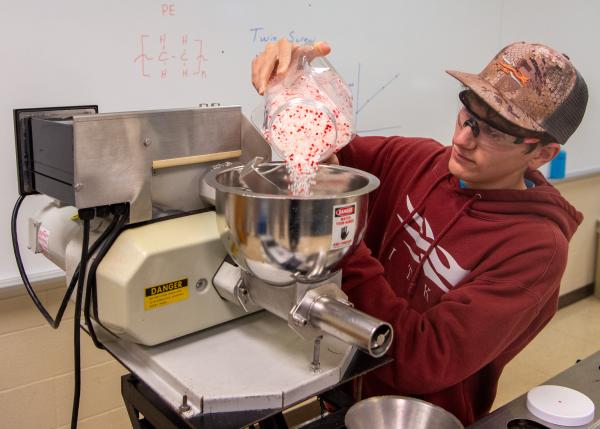
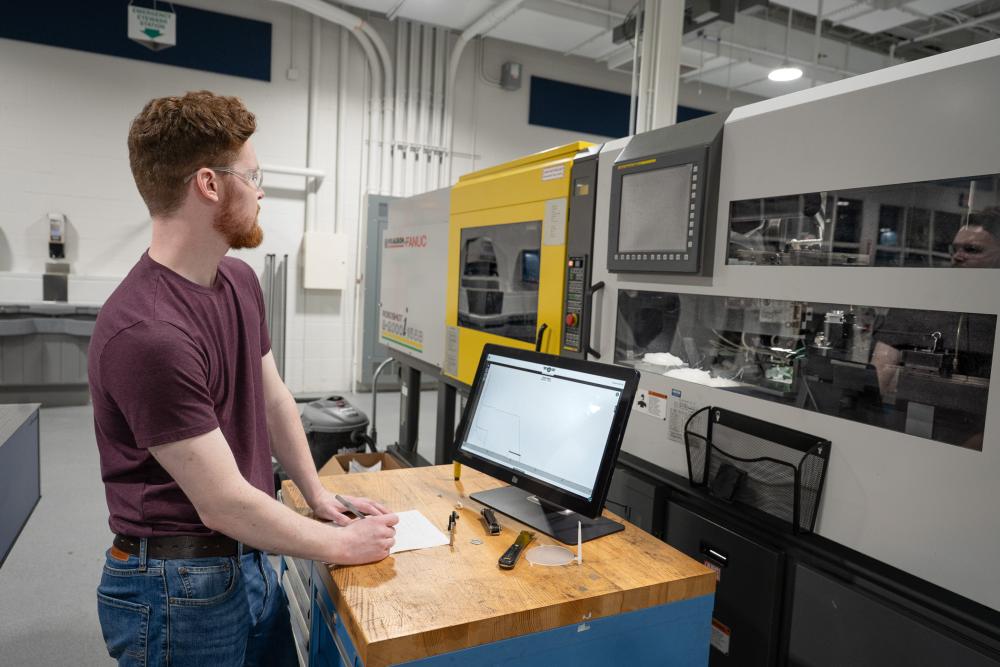
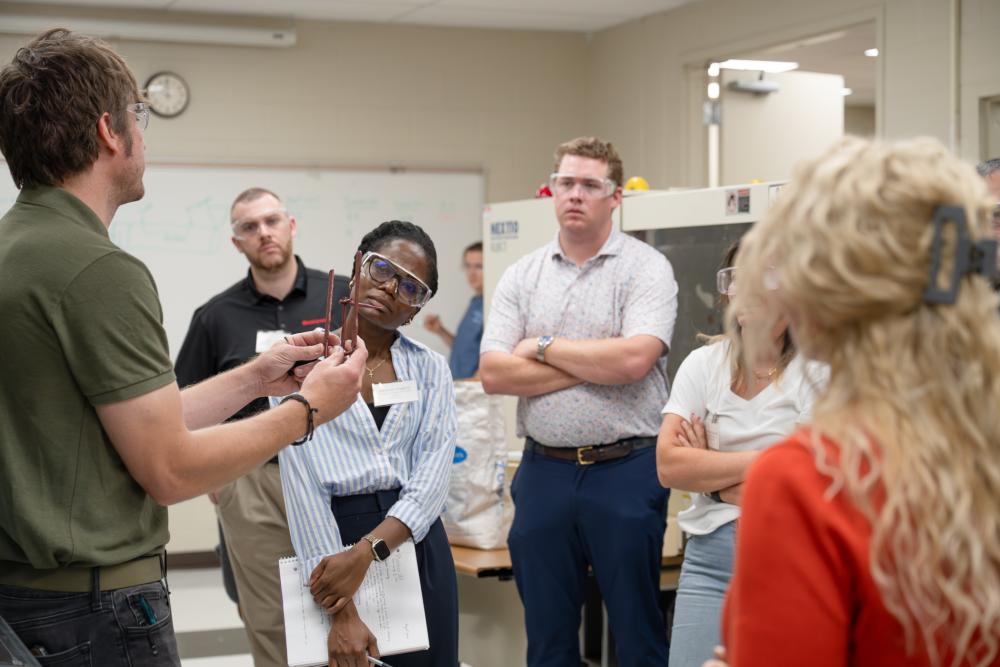
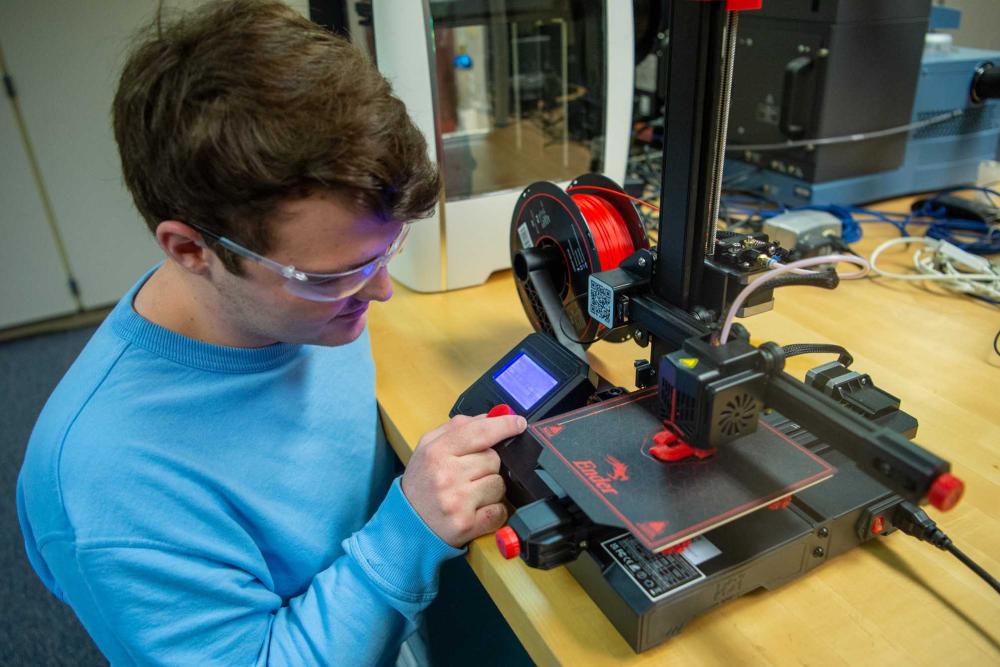
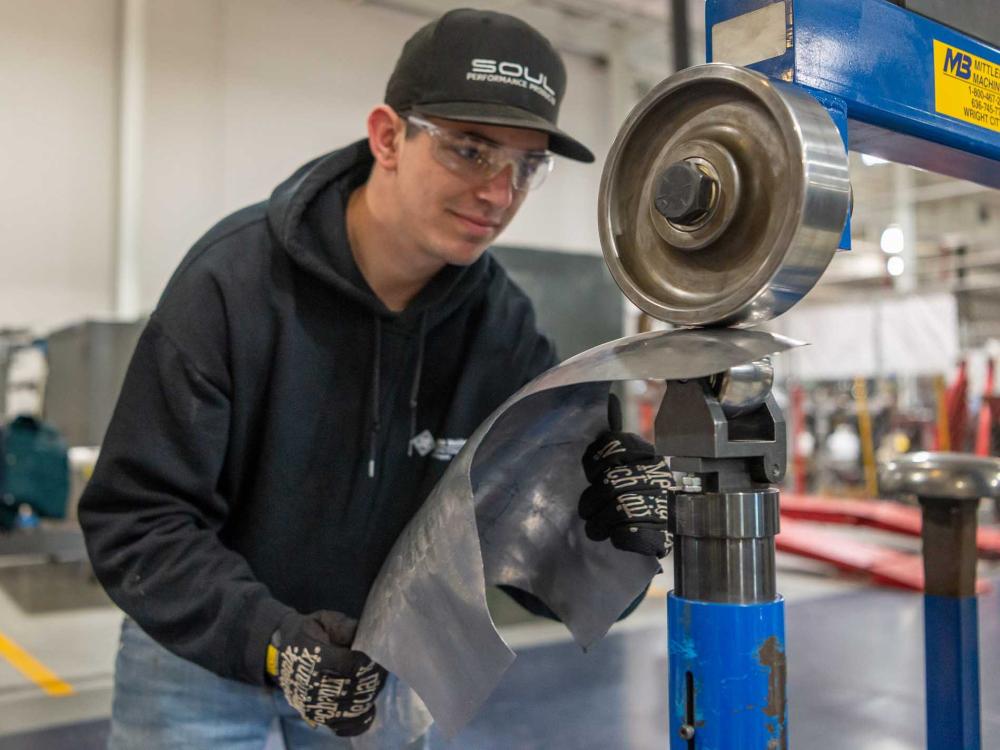
At Penn College, you’ll learn in hands-on labs alongside faculty with industry experience. Through lecture and practice, you’ll learn how to apply the knowledge you gain via extensive lab hours. Because of industry partnerships, you’ll learn on real-world machinery that will prepare you for your post-graduation career. You’ll build technical expertise in:

  • Decoupled molding processes
  • Mold setup and troubleshooting
  • Operating extrusion systems
  • Automation systems

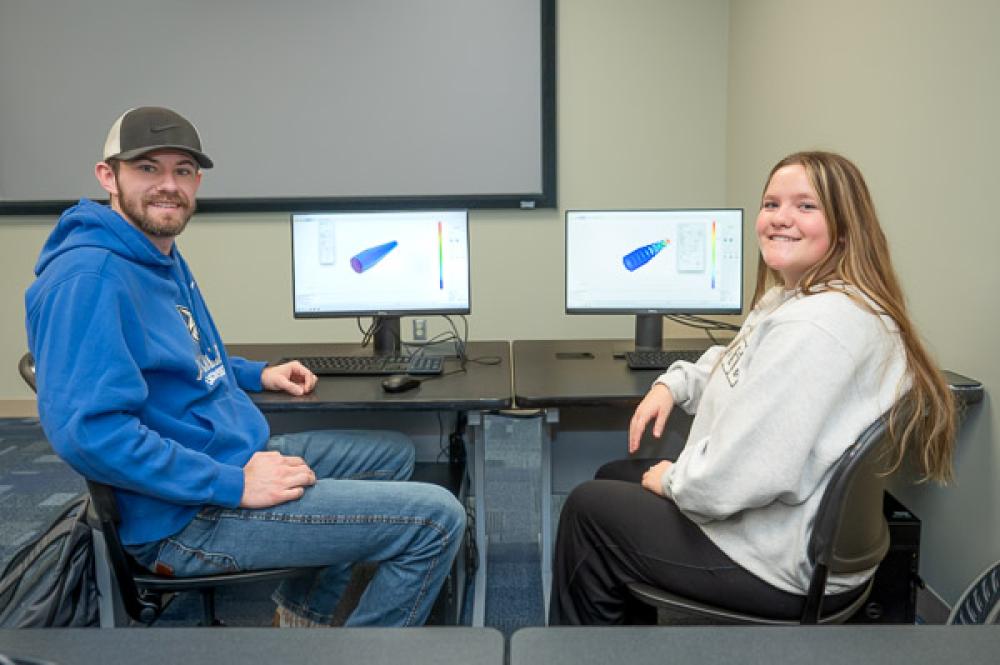
In addition to technical skill, you will build a foundation in data analysis and communication. These skillsets are critical to success in the polymer workforce, preparing you for career advancement. If you choose to pursue engineering roles, the Polymer Processing Certificate program provides a seamless credit-pathway to the Polymer Engineering Technology bachelor’s degree.
 

Tour Schedule

Seeing is believing.

Think Penn College might be a good fit for you? Make plans to visit and discover what hands-on learning is all about.

Feb 21

Undergraduate Open House

Saturday, February 219 AM - 3 PM

Register

Apr 26

Undergraduate Open House

Sunday, April 269 AM - 3 PM

Register

More tour dates are on the way.

But let's customize a tour for you now. Call, chat, or email for options.

Need a different date?

Let's customize a tour for you now. Call, chat, or email for options.

Contact

Admissions Office

Maker Profiles
Penn College News

Thursday, October 23, 2025

Company renews commitment to Penn College polymer program

An industry leader has extended its long-standing commitment to the polymer engineering program at Pennsylvania College of Technology. Novatec Inc. – the largest U.S.-owned manufacturer of resin conveying, drying and complete material-handling systems for the plastics processing industry – has renewed for two years its entrustment of resources used by polymer students.

Tuesday, October 14, 2025

Two retired Penn College faculty granted emeritus status

The Pennsylvania College of Technology Board of Directors approved two retired faculty for emeritus status during its Oct. 9 board meeting. Kirk M. Cantor, polymer engineering, and Keith A. Vanderlin, graphic design and art, received this recognition.

Thursday, September 11, 2025

Penn College offers certificate pathway for high school students

With the support of a National Science Foundation grant, Pennsylvania College of Technology is offering a pathway for high school students to earn 32 college credits and a certificate in polymer processing at no cost.

More Information

Necessary equipment will be addressed in courses as needed.

Uniforms and tools are available for purchase through The College Store.
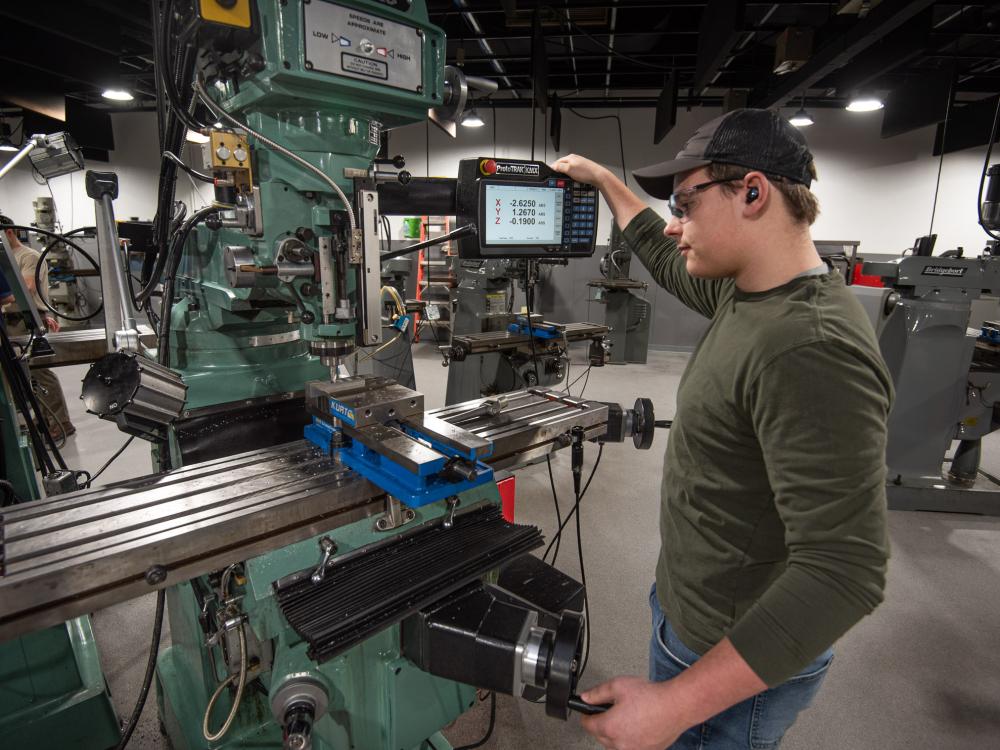
Alternative Credit refers to academic credits earned through means other than traditional college course completion, including: credit by exam, articulation, proof of competency gained in high school, work/life experience, and advanced placement.

Visit the Alternative Credit Options page for requirements and procedures and for information on credit through Advanced Placement.