Human Services & Restorative Justice

Bachelor of Science Degree (B.S.)

With a degree in Human Services and Restorative Justice, you’ll have an opportunity to help and make a true difference. Your work will empower others, inspire change, contribute to healthy communities, and promote advocacy.

At Penn College, you’ll join a community of tomorrow-minded students and instructors dedicated to transforming tomorrow. In coursework and internships, you'll learn how to apply a well-rounded approach to enhance services for those who need them most. And thanks to small class sizes, an immersive approach to learning, and expert faculty by your side, you’ll have the skills and confidence to spark change in this rewarding field.

You'll be prepared to address substance abuse, family violence, counseling, policing, and aging in diverse professional settings such as probation services, group homes, mental health centers, and children and youth services agencies.

Ethical Standards, Background Checks and Clearances

The Human Services and Restorative Justice program abides by the National Organization for Human Services (NOHS) ethical standards, which can be found here. Additionally, field experiences and internship sites may require background checks and clearances. Learn more.


  • Apply

    Now accepting applications for Fall 2026

  • Visit

    Join us at the next Open House.

  • Information

    Request more information about Human Services & Restorative Justice.

Program Overview

Your coursework will cover classes specific to your area of specialization along with foundational concepts and lessons that invite fresh perspectives. Check out the breakdown below.

B Bachelor of Science
40 courses
122 credits

View Courses

State-of-the-Art Learning Labs

3

Immersive In-Field Placements

Flexible Curriculum

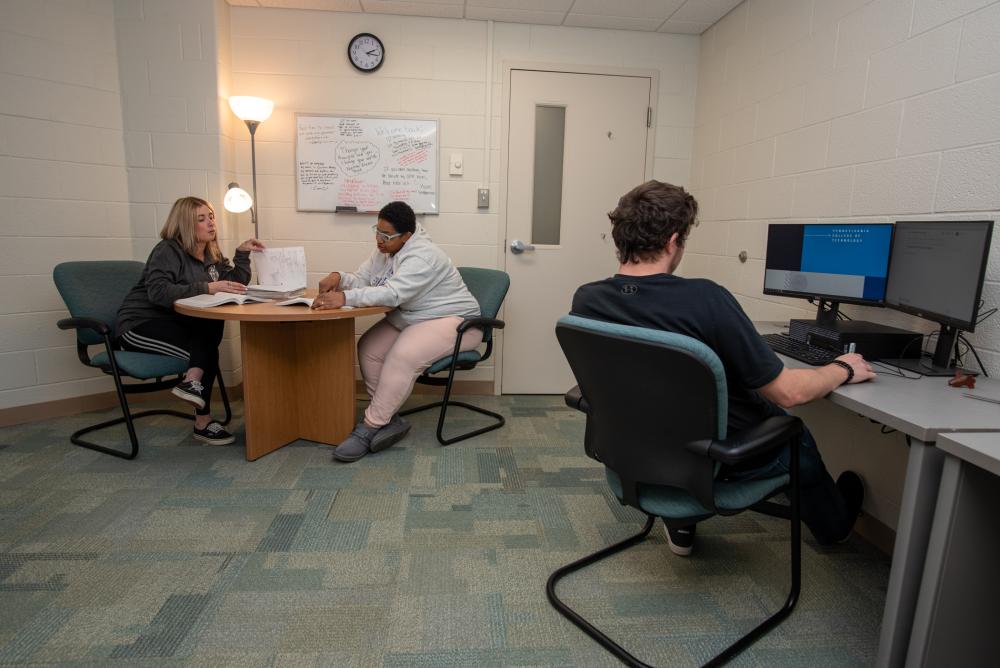
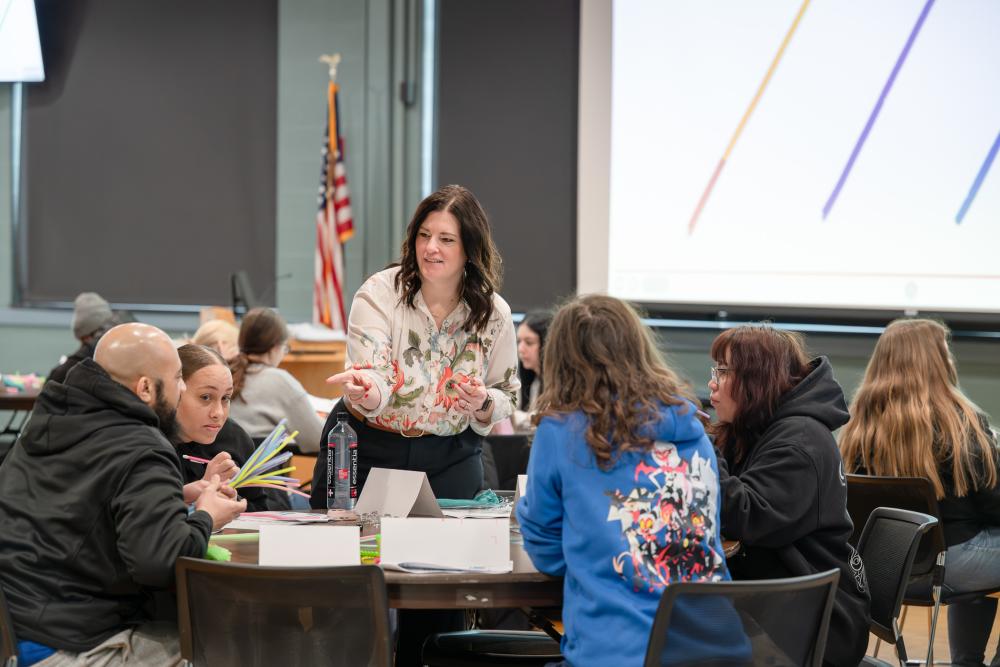
  • Human Services & Restorative Justice students have an integrated classroom and laboratory space to learn from faculty in group settings or simulate therapeutic interventions that prepare them for the real-world.

    Classroom and Lab

    Human Services & Restorative Justice students have an integrated classroom and laboratory space to learn from faculty in group settings or simulate therapeutic interventions that prepare them for the real-world.

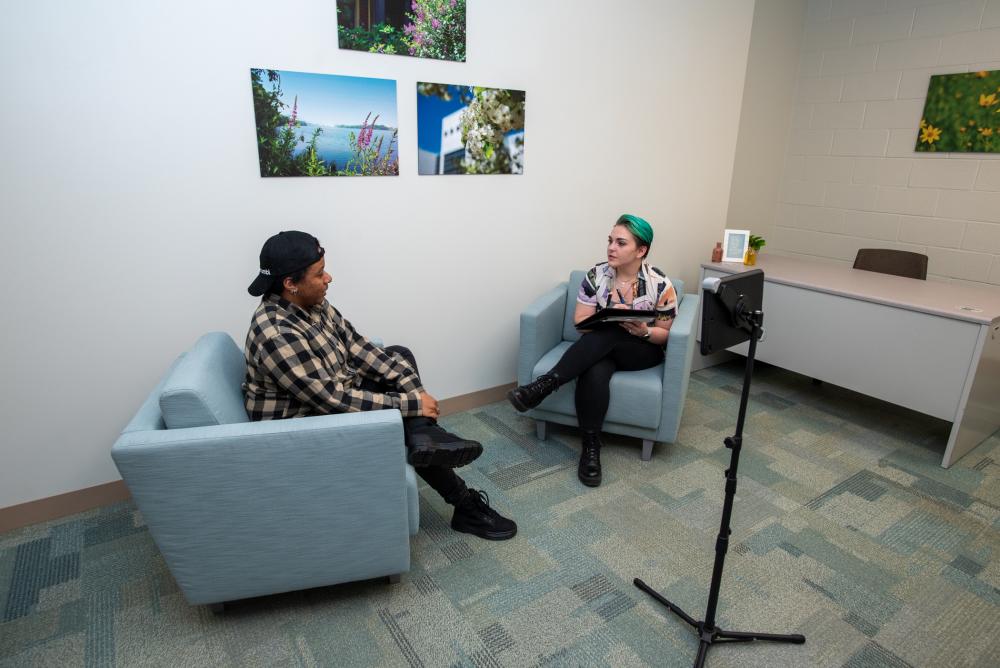
  • Reserved for Human Services and Restorative Justice students, this applied learning space is used for mock one-on-one and group counseling sessions—all of which are captured via video for the future review and can be used as part of a resume. Upper division students play the role of the clients while students taking lower level courses act as counselors.

    Counseling Lab

    Reserved for Human Services and Restorative Justice students, this applied learning space is used for mock one-on-one and group counseling sessions—all of which are captured via video for the future review and can be used as part of a resume. Upper division students play the role of the clients while students taking lower level courses act as counselors.

  • Also reserved for Human Services and Restorative Justice students, this lab is the premier location for our mentoring program. All incoming students are paired with current students. Together they design a study plan for their time at Penn College. The lab can also be used for study sessions and peer-to-peer advising.

    Mentoring Lab

    Also reserved for Human Services and Restorative Justice students, this lab is the premier location for our mentoring program. All incoming students are paired with current students. Together they design a study plan for their time at Penn College. The lab can also be used for study sessions and peer-to-peer advising.

Scholarships

As a Human Services & Restorative Justice student at Penn College, you may be elgible for 114 scholarships.

8 Program-specific scholarships

106 Additional scholarships

Explore scholarships

People

Meet the Makers

Get to know our community by exploring this collection of student, alumni, and faculty stories.

Student Life

Lead and put your skills to the test.

Human Services and Restorative Justice Club

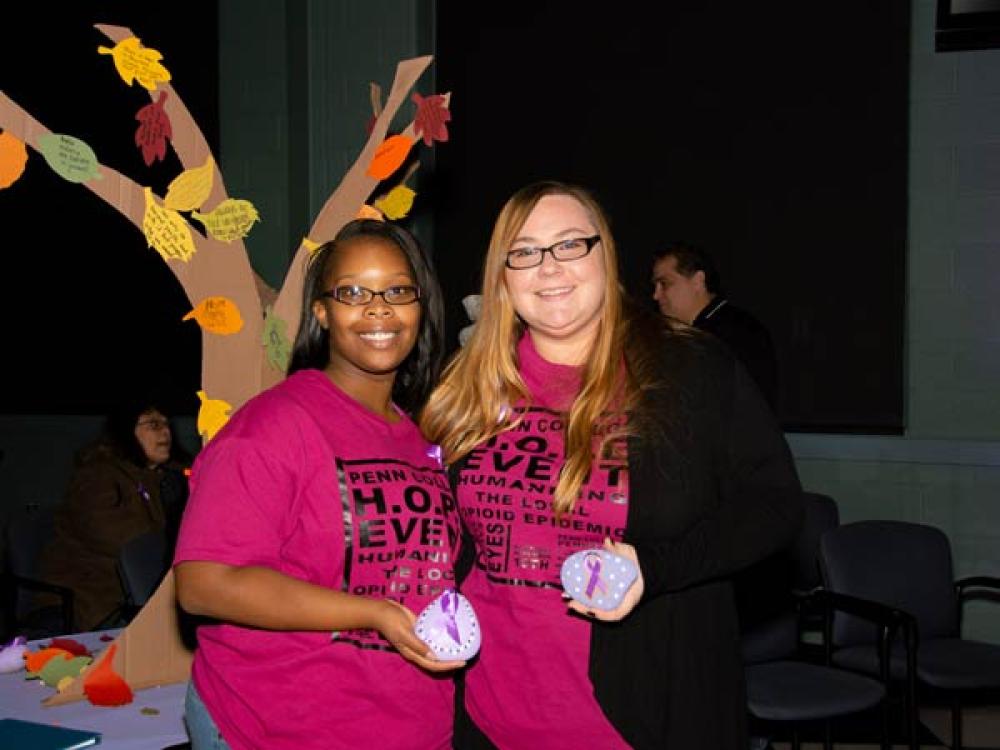
The Human Services and Restorative Justice Club promotes positive change, enhances campus inclusivity, and celebrates the value of diverse communities. 

Student Organizations at Penn College

Your college experience is about more than the classroom. Join one of 60+ clubs and organizations, or create your own.


Gain global experience

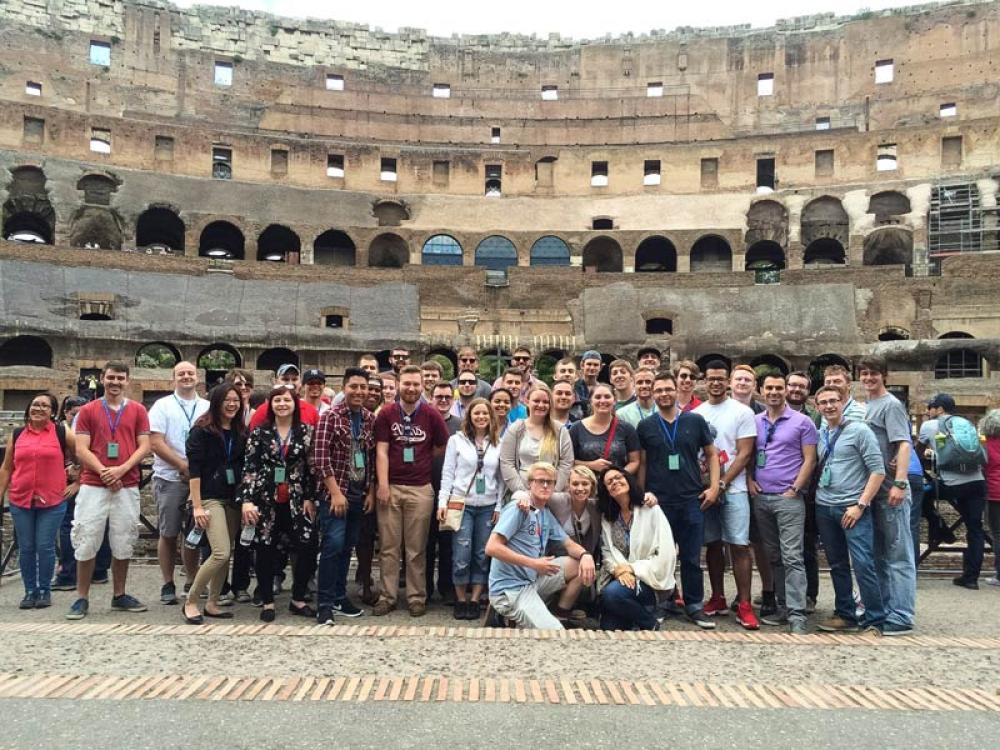
See the world via Williamsport. Take your education abroad and get hands-on experience learning about your industry on a global scale.

Immersive Learning

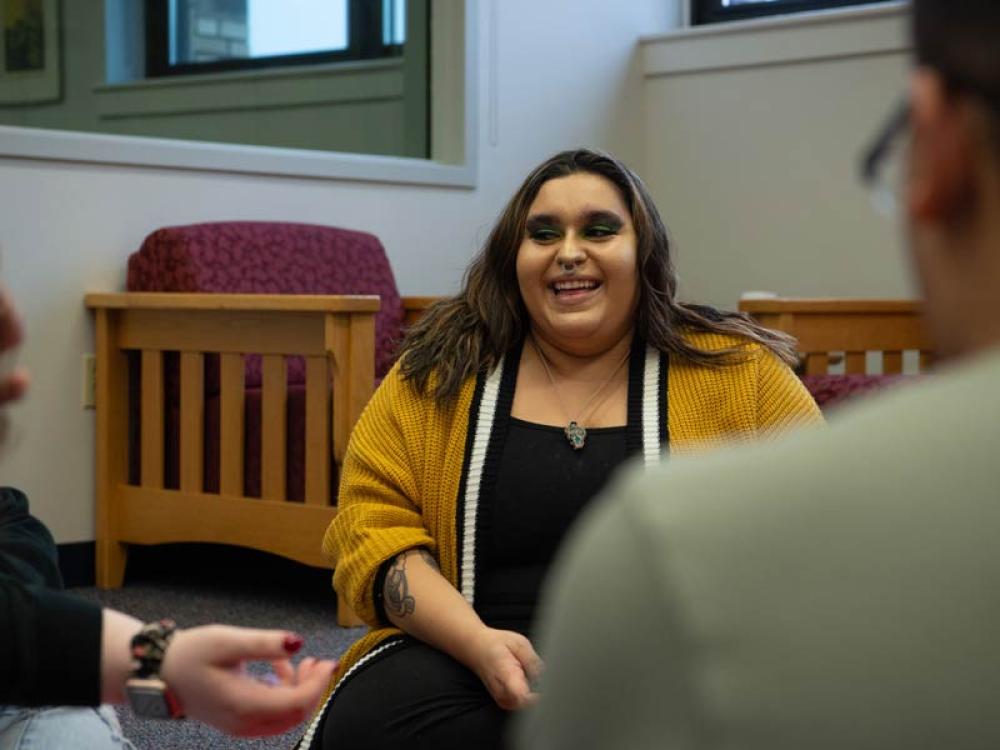
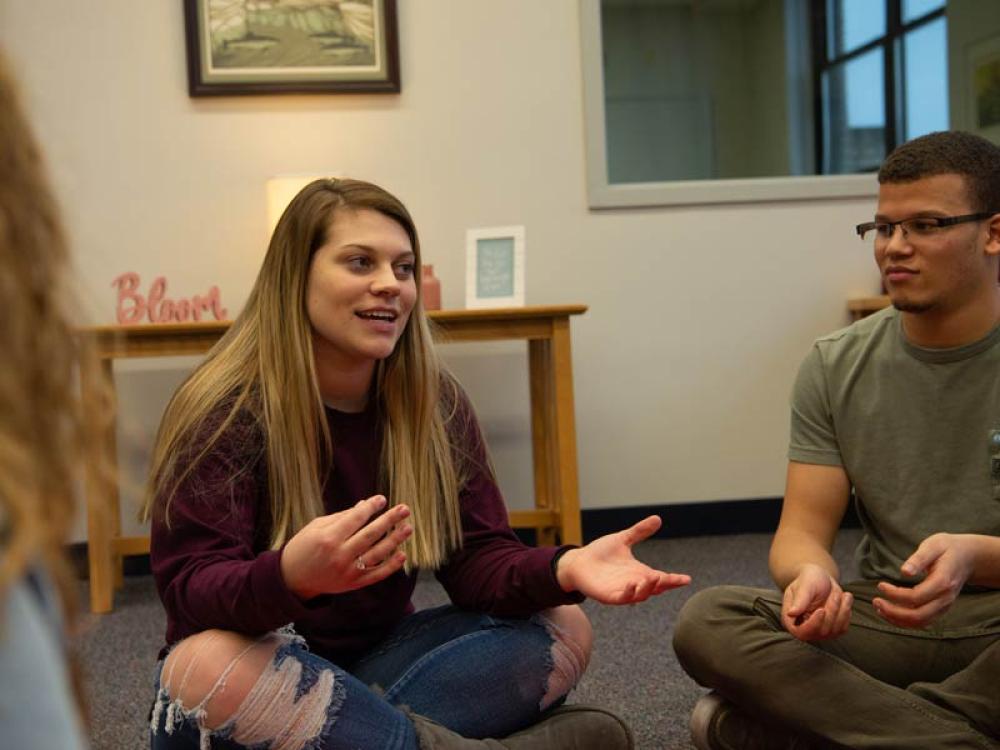
Selfcare is vital to the success of human services professionals. As part of a class activity, student Natalie Schrader, led a guided meditation with a focus and peacefulness and mindfulness. Students participating in the activity shared their take on being a Human Services & Restorative Justice major.

Helping Others

“We need to really make time for ourselves. All of us want to help other people, and that's what this activity is centered around, taking care of ourselves so we can help other people.”

– Natalie Schrader

Impactful Moments

“When I first got here, I wasn't too sure what I wanted to do. Dr. Winder sat me down one day and she just said, “tell me your story.” And that was the first time I actually told my story. I believe those were the most impactful moments, just knowing that the faculty cares as much as I do.”

– Jerome Frazier


Experienced Faculty

"One of the real-life scenarios that's really impacted me is crisis intervention. I've really gravitated towards that aspect of this major - learning how to respond to individuals who are in crisis. Some of the professors have had jobs that deal with counseling and they share their experiences with us."

– Skylar Bartholomew

Industry Partners

Work with experts to become an expert.

Penn College's strong corporate partnerships impact every step of your journey—from your first day in the classroom and labs, to career placement (oftentimes before graduation) and beyond.

Internship

Your knowledge in practice.

Internships are key for career preparation. As part of this curriculum, you’ll participate in three in-depth practical learning internships including 30 hours of observation in the community, a 175-hour internship and 350-hour internship.

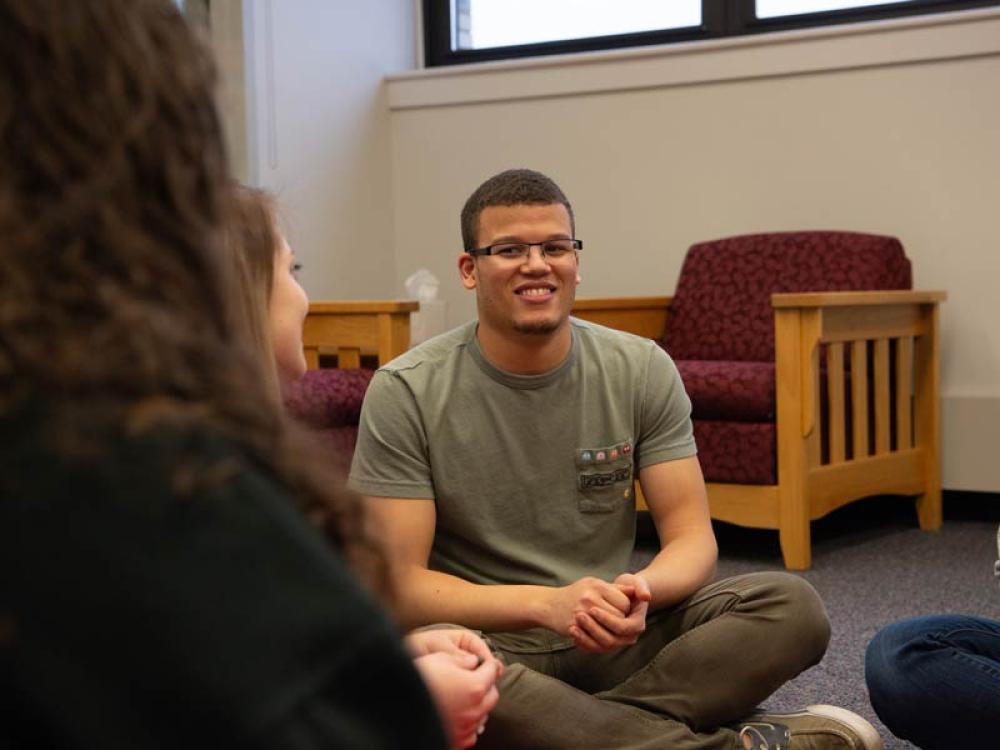
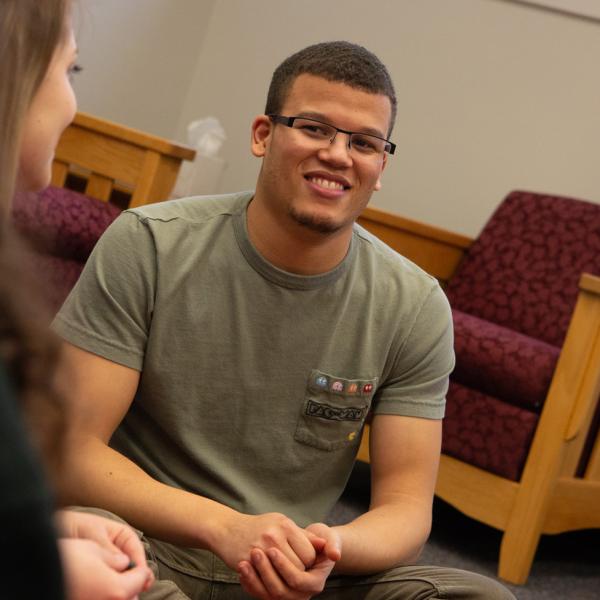
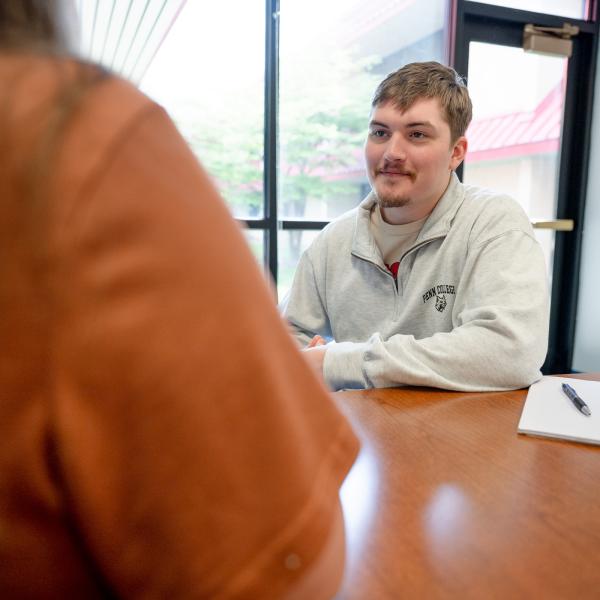
Male student practices intervention techniques with an anonymous person in the foreground.

More Information

.load('/catalog/majors/HSJ #performance-standards')

Admission to the major does not guarantee permission to take the internship courses or to graduate from the program. Continuation in the program to graduation and permission to take internship courses are predicated not only upon satisfactory academic performance, but also upon satisfactory demonstration of professional and ethical responsibility, personal responsibility, and satisfactory demonstration of skills and abilities prerequisite to the ethical delivery of services in the field. For more specific information about the criteria used to evaluate students' progress, a copy of the program manual can be obtained from the School of Business, Arts & Sciences.Students must complete all HSJ-designated courses with a grade of 'C' or above. Failure to achieve a grade of 'C' or above in a course after the maximum attempts allowed by College policy, results in withdrawal from the major. Students should work closely with their advisers and program faculty to ensure that they are meeting all criteria for satisfactory progress in the program.The following grading system applies to all HSJ-designated courses for students in theHuman Services & Restorative Justice major:A= 90-100%B= 80-89.99%C= 70 –79.99%F= Below 70%

Alternative Credit refers to academic credits earned through means other than traditional college course completion, including: credit by exam, articulation, proof of competency gained in high school, work/life experience, and advanced placement.

Visit the Alternative Credit Options page for requirements and procedures and for information on credit through Advanced Placement.

The Human Services and Restorative Justice program abides by the National Organization for Human Services (NOHS) ethical standards, which can be found here. Students in this program must complete a 350-hour internship in addition to the requirements of the associate’s degree. Depending on work site requirements, some of the placements may require some or all of the following background checks: completion of standard basic health appraisal form and receipt of Children's Services Protection Act 33 clearance, State Police clearance, and FBI clearances. Please note that we do not assume responsibility for the requirements of any external organization, and we cannot guarantee placements if the necessary clearances are mandated but cannot be secured by the student.

Human Services & Restorative Justice Advisory Committee

  • Ms. Robin Dadzie, Case Management Supervisor , AIDS Resource Alliance
  • Mr. Christopher T Kriner, Detective Sergeant - Criminal Investigations , Old Lycoming Township Police Department
  • Ms. Amber B Morningstar, YWCA Program Director , YMCA Northcentral PA
  • Mr. Zane R Pardoe, Supervisor of Education , USP Lewisburg
  • Ms. Penny L Sines, Social Worker II , DOC SCI-Muncy
  • Karey Snook, Counselor , Lycoming County Pre-Release Center
  • Nicole J Spring, Esquire, Chief Public Defender , Lycoming County Public Defender
  • Ms. Rachel Thompson, Workforce Specialist , CareerLink
  • Mr. Joseph J Weber, Permanency Services, Unit Supervisor , Lycoming Children & Youth Services
  • Mr. Jeffrey P Wheeler, Assistant Clinical Director , White Deer Run - Allenwood
  • Ebony Young, Talent Acquisition Manager , Diversified Treatment Alternative Centers
Sarah Moore

Sarah Moore

Assistant Professor, Human Services

Sue Alberti

Sue Alberti

Instructor, Human Services & Restorative Justice

Dr. Elizabeth Winder

Dr. Elizabeth Winder

Associate Professor, Human Services

Follow your passion.