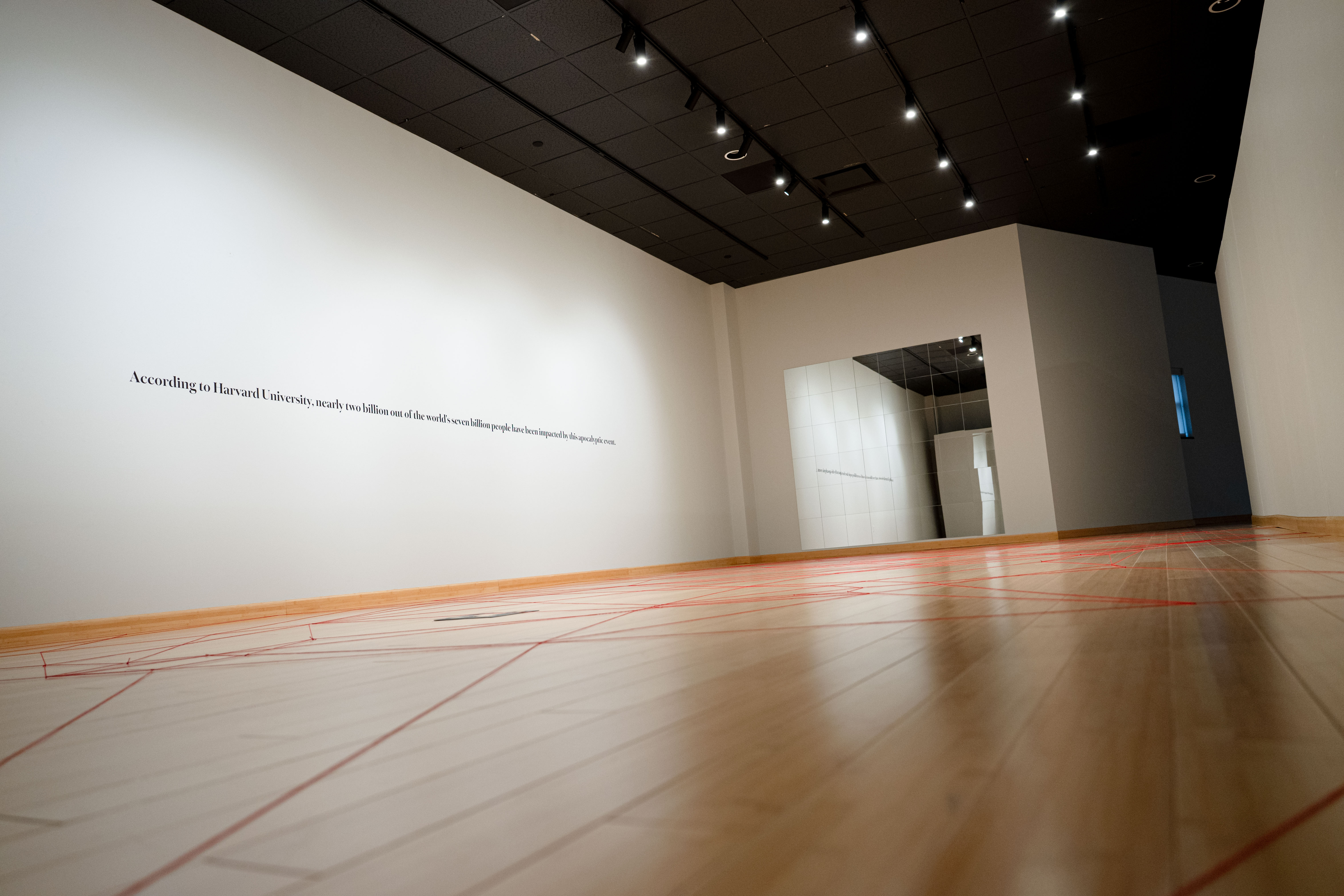
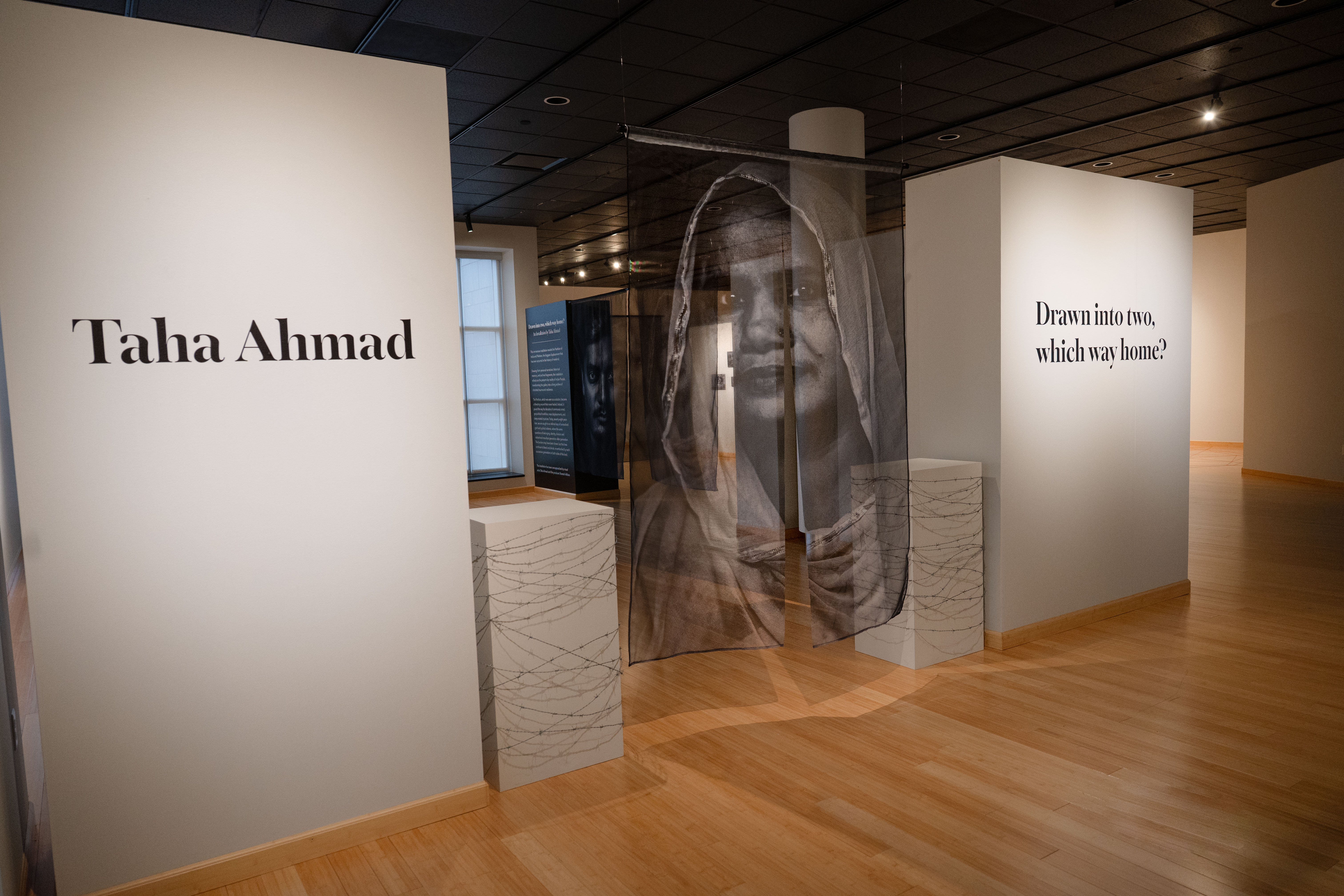
Today, 2 billion out of 7 billion people on this planet have been affected by the partition of India and Pakistan.
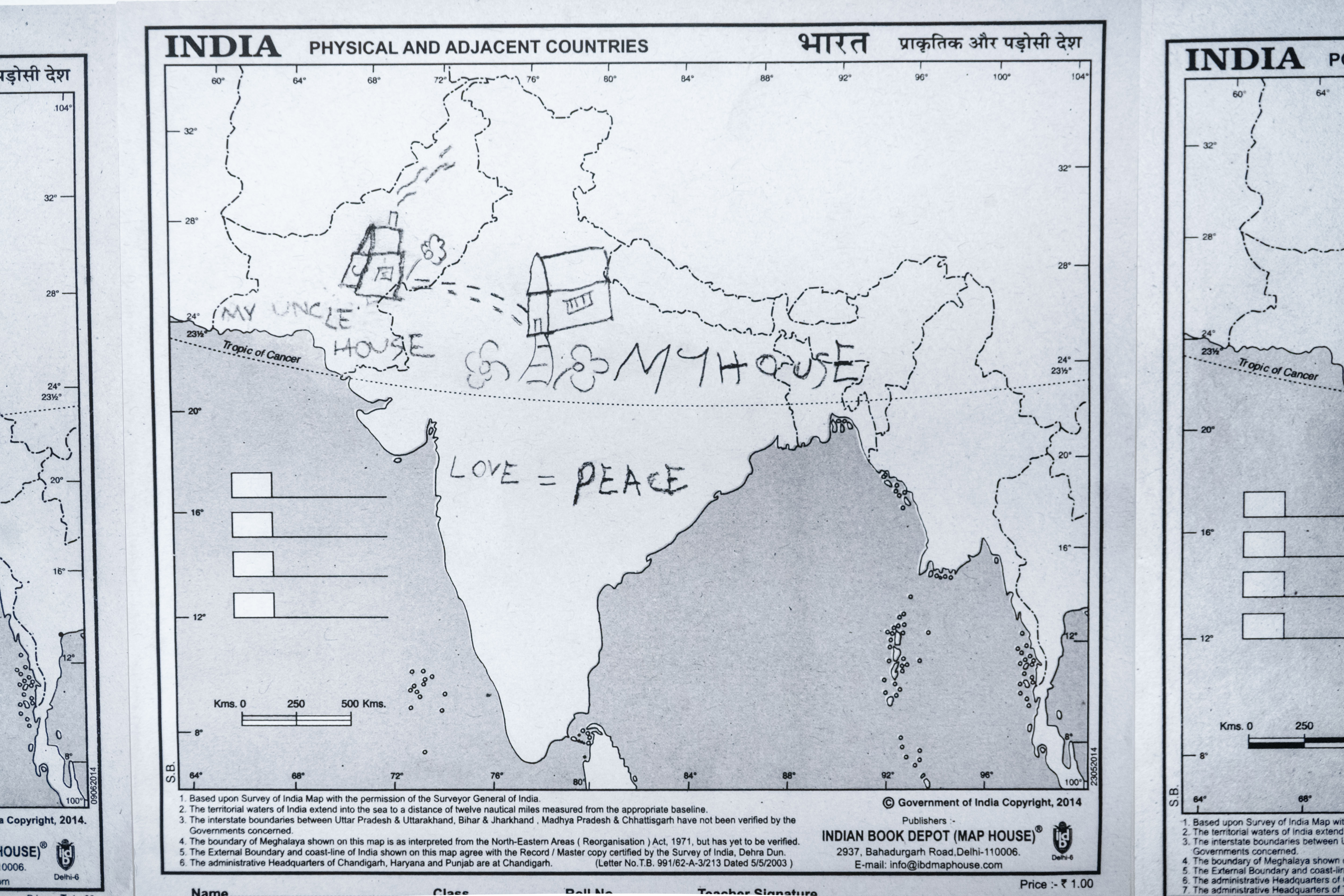
In 1947, as the British left the subcontinent, the Punjab province was partitioned by the Radcliffe Line, a government solution for the territorial separation between India and Pakistan. It marked the beginning of socio-political and economic problems, geo-political wars, communal tensions, and the massive displacements of communities followed by massacres and social injustices.
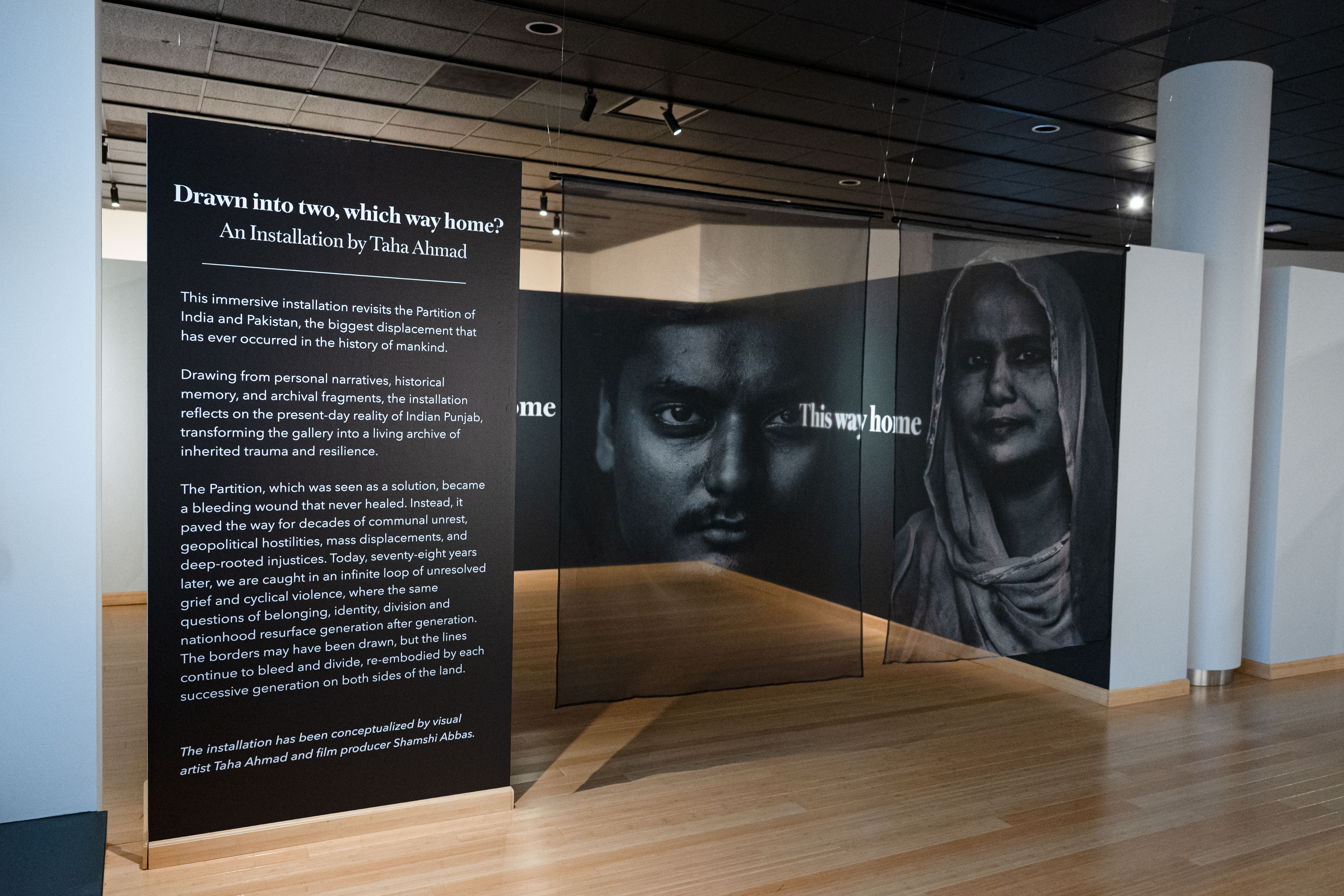
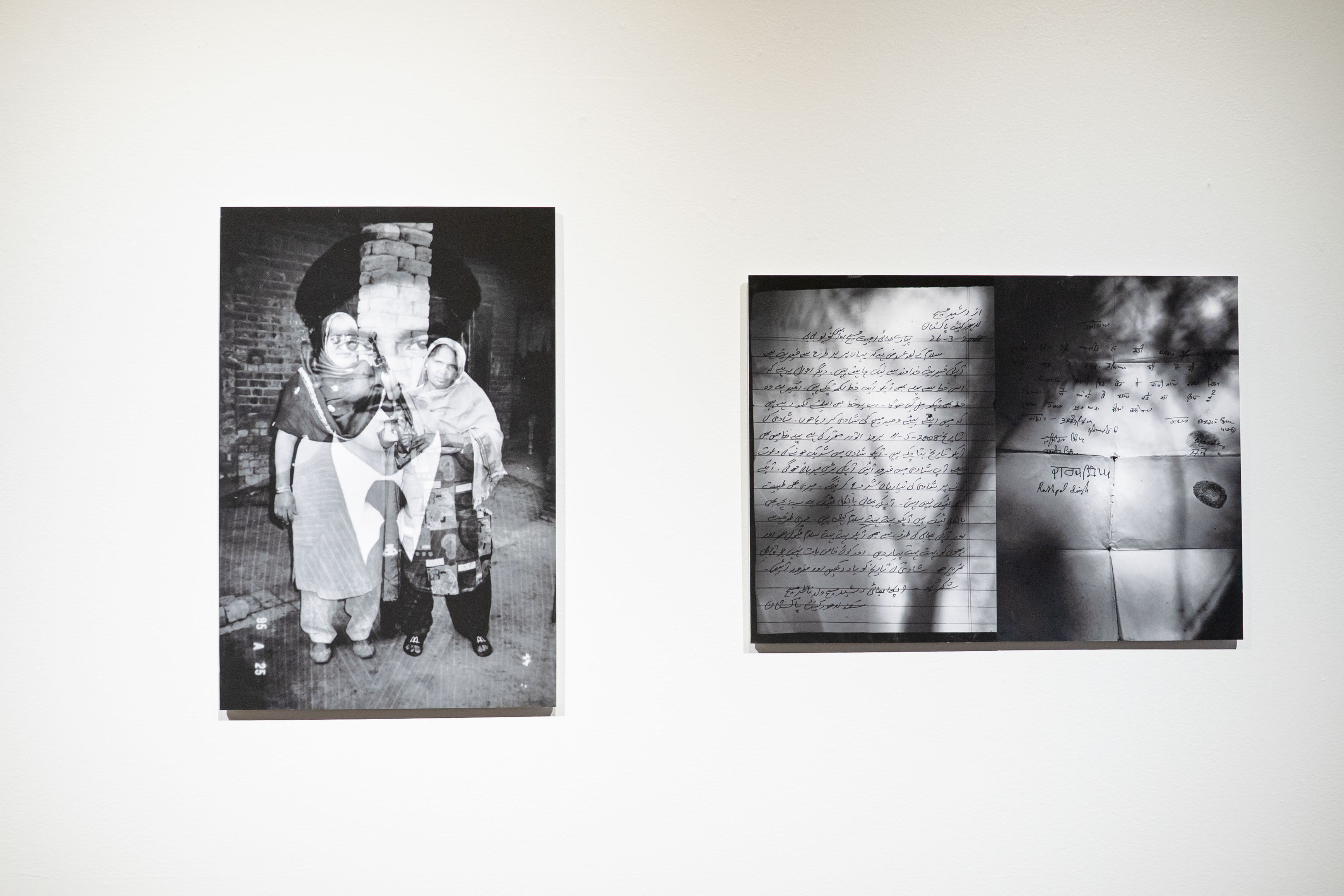
Drawn into two, which way home? Provides a visual of the present-day reality of Punjab that is ignored, hidden, or unreported by the mainstream media. The project depicts the everyday struggles of identity, drug issues, depredation, violence, and Indo-Pak wars; stories of love across borders, religious fundamentalism, and displacement; family rescue stories and tales of longing; division of humanity, geopolitically affected communities, terrorism, and female oppression. Seventy-eight years after partition, this work tells the tale of a Punjab that is in a constant search for its identity, dealing with the ramifications of the biggest displacement the world has ever witnessed. The project frames the life of victims and survivors, along with their reforged identities and corroded memories.
In what ways can the stories of displacement and trauma from the partition be used to foster a deeper understanding of the human race, challenging contemporary societies to rethink their philosophical perspectives on life, forgiveness, reconciliation, and the cyclical nature of hatred?
Taha Ahmad is an international visual artist based in India. He was represented as a part of The VII Foundation’s Mentor Program and was the first Indian to receive The Documentary Project Fund award in 2017. He has been published by The Times and The Sunday Times UK, Vogue India, New York Times, Vogue Britain, Architectural Digest India, Hindustan Times, Conde Nast, The Hindu, The New Indian Express, Times of India, The Week, and more. His award-winning work has been exhibited in museums and galleries across the globe. Ahmad believes photography has a strong influence in creating and developing discourse for the future. His works are a visual representation of the shift in the pluralistic landscape of India, the traumatic past and the culture that is threatened by religious conflicts, social injustice and politics in the times we live in.
Closed August 31