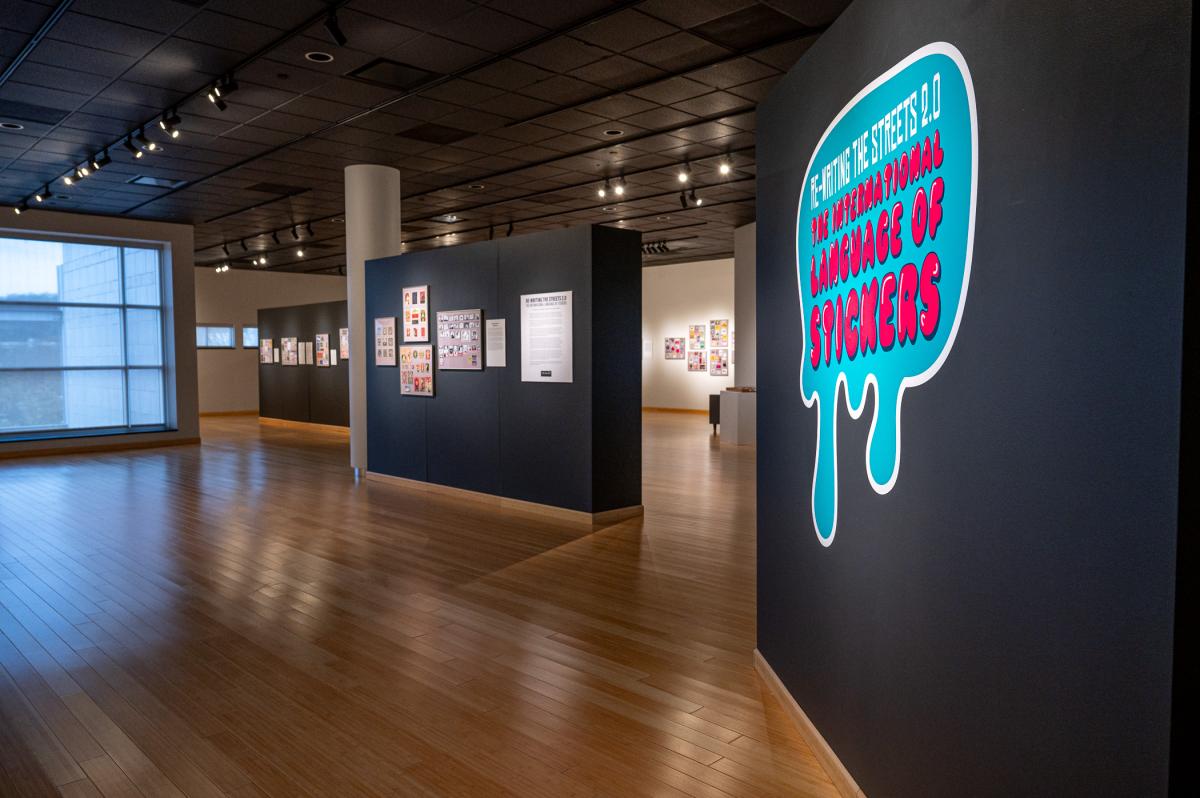
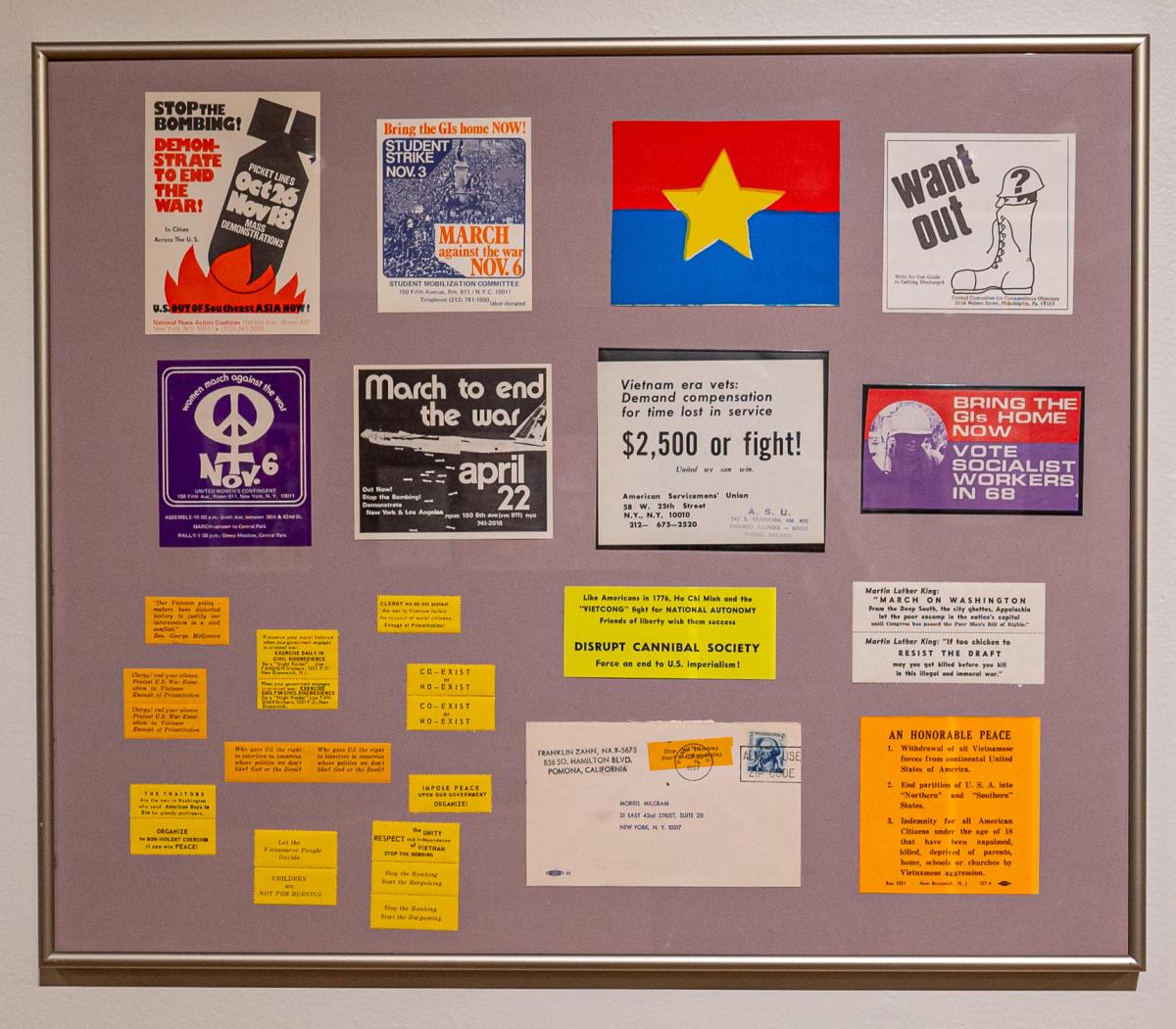
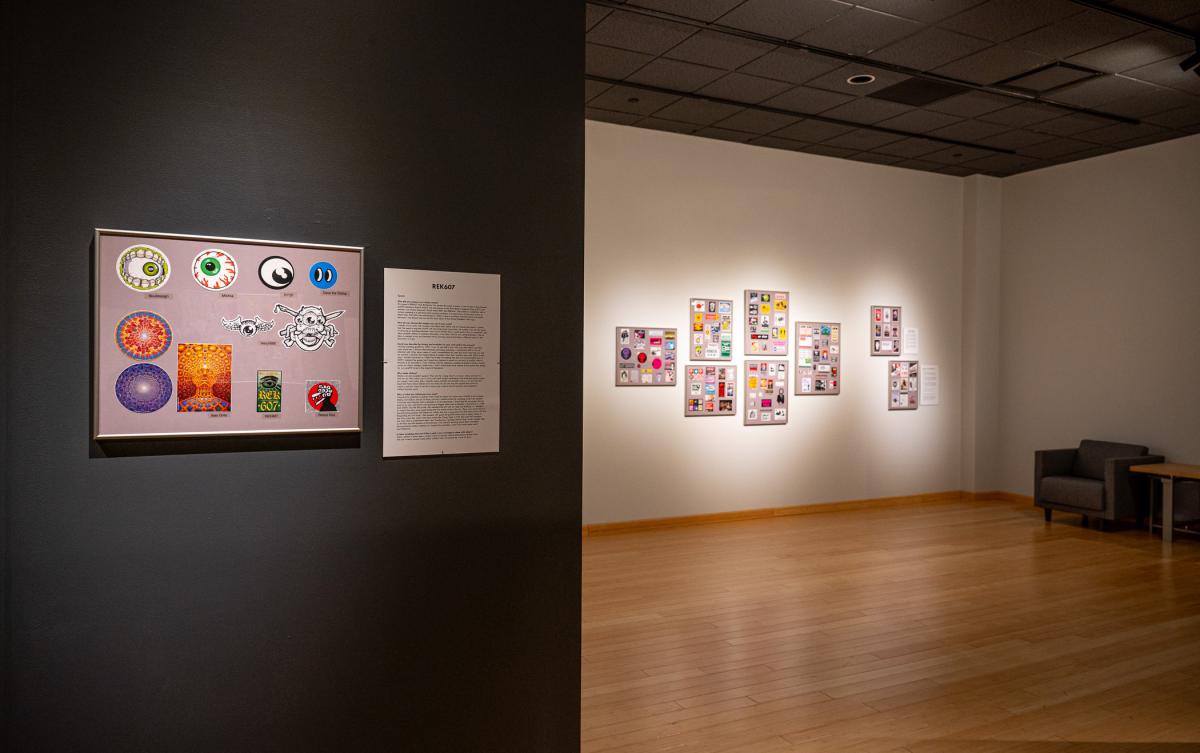
Exploring the creative and cultural power of visual communication, “Re-Writing the Streets 2.0: The International Language of Stickers” is on display through March 5 at The Gallery at Penn College.
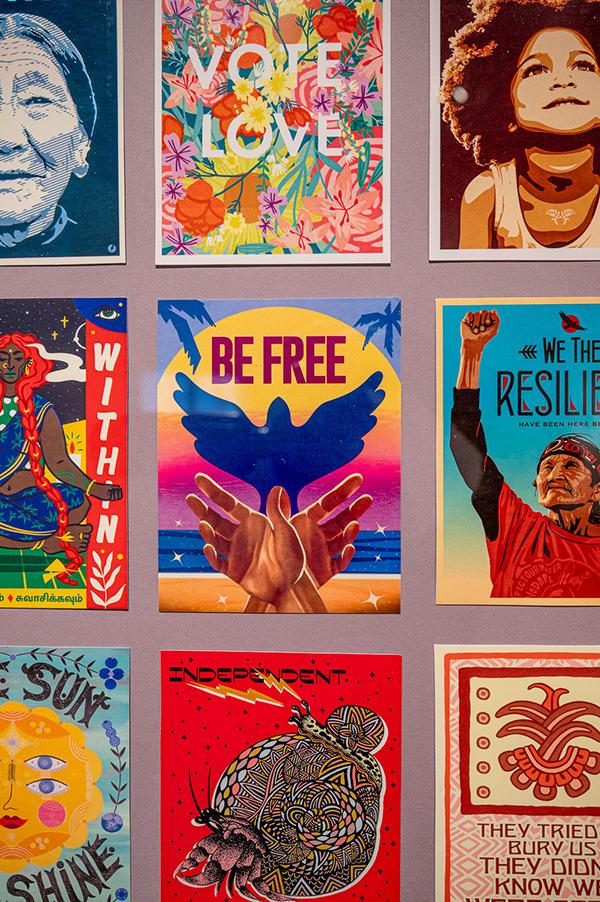
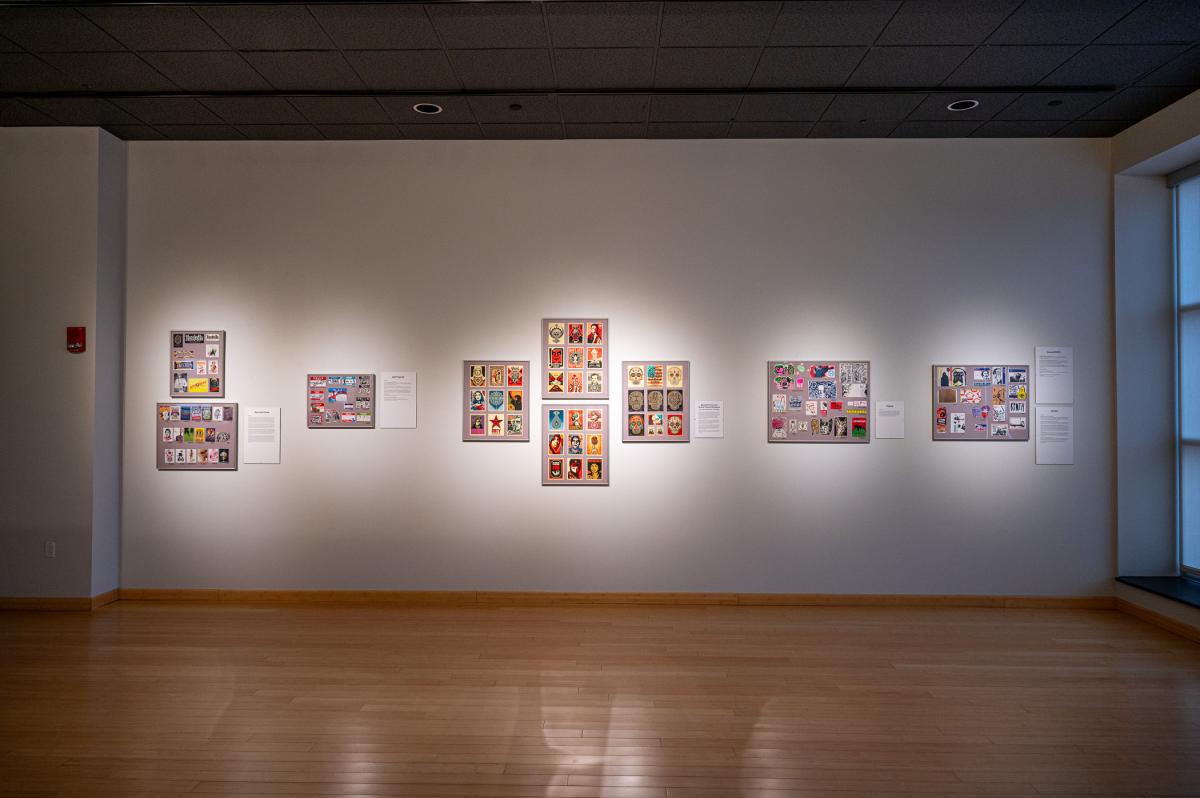
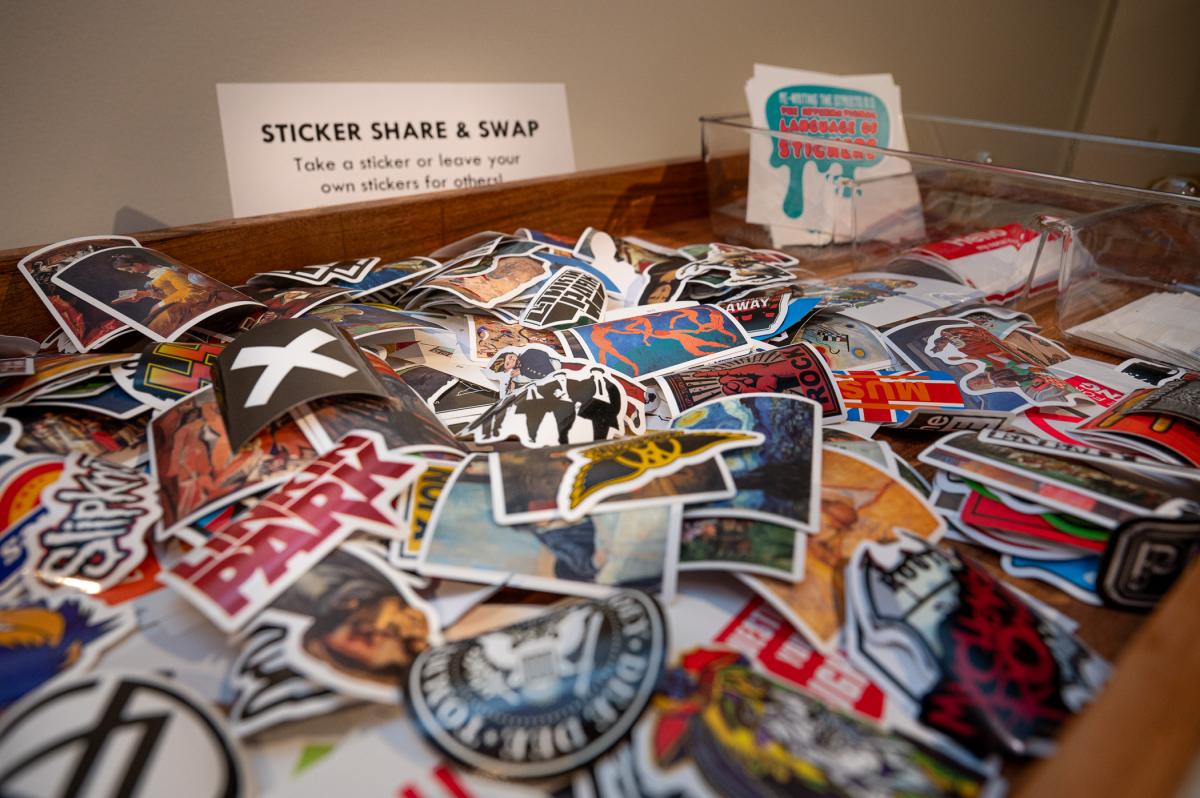
Incorporating the finest examples of two global collectors, the exhibition features over 900 original, unused stickers, representing a diverse array of voices and perspectives.
Street art has evolved dramatically from the aerosol and painted mural graffiti that pepper subway stations, back alleys and train yards, and which has typically been seen as vandalism. Today, new forms of visual communication are created in public spaces, often attracting viewers in more contemplative and interactive ways. Street art stickers have emerged as a provocative vehicle for self-expression and an effective way to engage passersby.
A lecture and exhibition reception are set for Tuesday, Feb. 4. Beginning at 3:30 p.m. in Penn’s Inn on the second floor of the Bush Campus Center, the lecture – “Sticker Shock” – will be delivered by Nicholas L. Stephenson, instructor of graphic design at Penn College, as he examines the sticker as a pop-culture medium. The reception will be held from 5 to 6 p.m. in the gallery on the third floor of The Madigan Library. Both events are free and open to the public.
“Re-Writing the Streets 2.0: The International Language of Stickers” showcases pieces collected by Germany’s Oliver Baudach and the U.S.’s Catherine Tedford.
Based in Berlin, Baudach is the founder and director of Hatch Kingdom, the world’s first museum devoted to sticker art, opened in 2008. His international collection numbers over 30,000 stickers and spans genres, including character design, skateboarding, streetwear and music.
“When I was 14 years old, I bought a wallet that had a really cool skull logo on it, and inside the wallet was an exact replica of that skull as a sticker,” Baudach said. That sticker is among those on display in his museum.
Tedford, who is gallery director at St. Lawrence University, in Canton, New York, has collected over 18,000 international stickers and writes about contemporary and historical political stickers on her research blog, Stickerkitty.
“I first noticed stickers, by chance, on a trip to Berlin in 2003, and since that time have collected stickers from over 20 countries around the world, including Canada, Egypt, England, France, Germany, Indonesia, Poland, Portugal, Russia, Spain, Ukraine and the U.S.,” she noted. “At St. Lawrence University, I have been actively building a Street Art Graphics digital archive of stickers since 2004.”