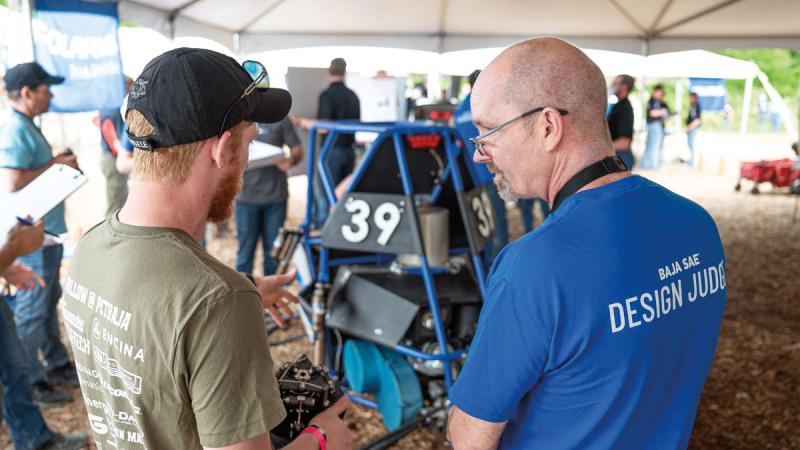
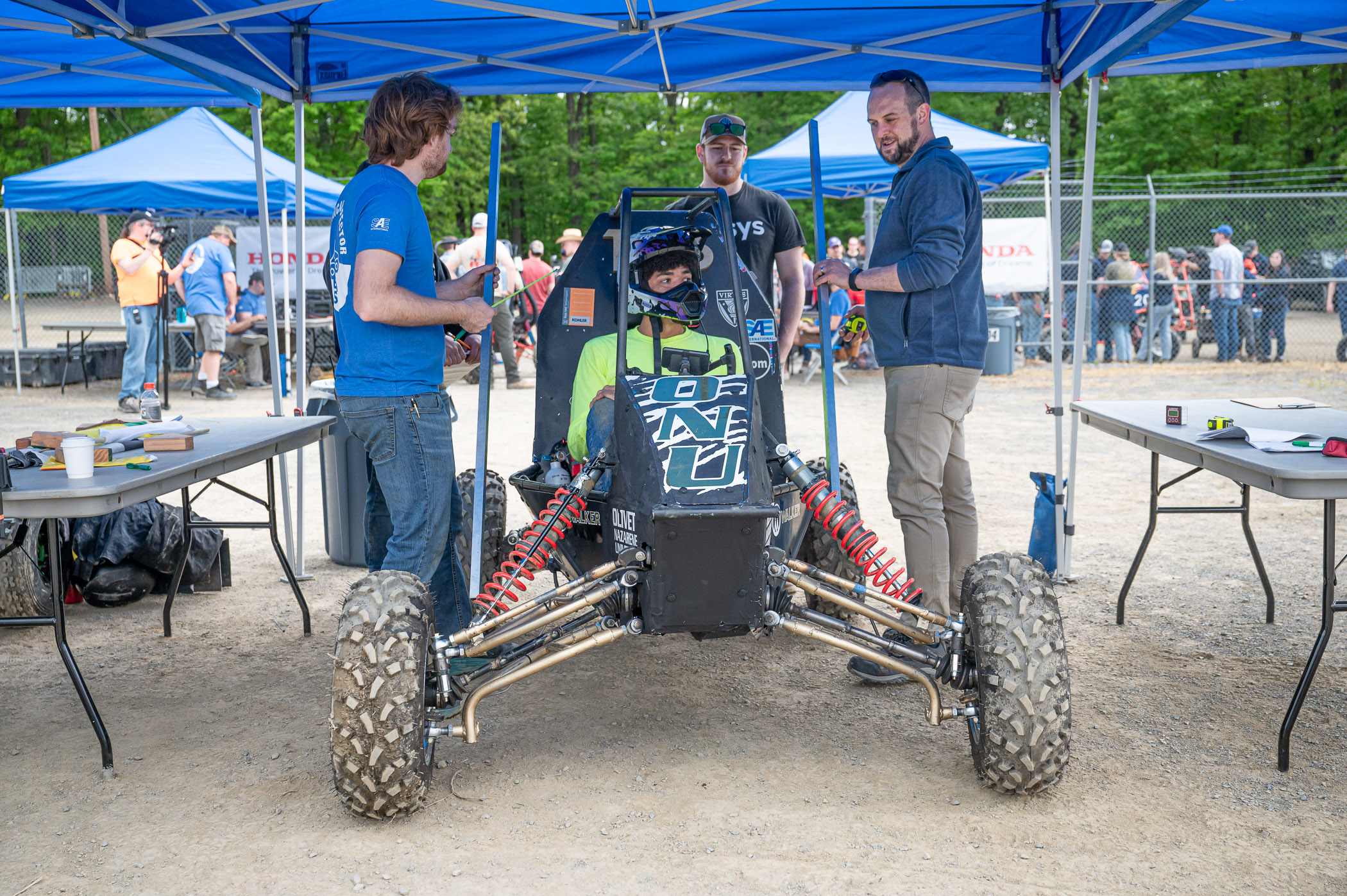
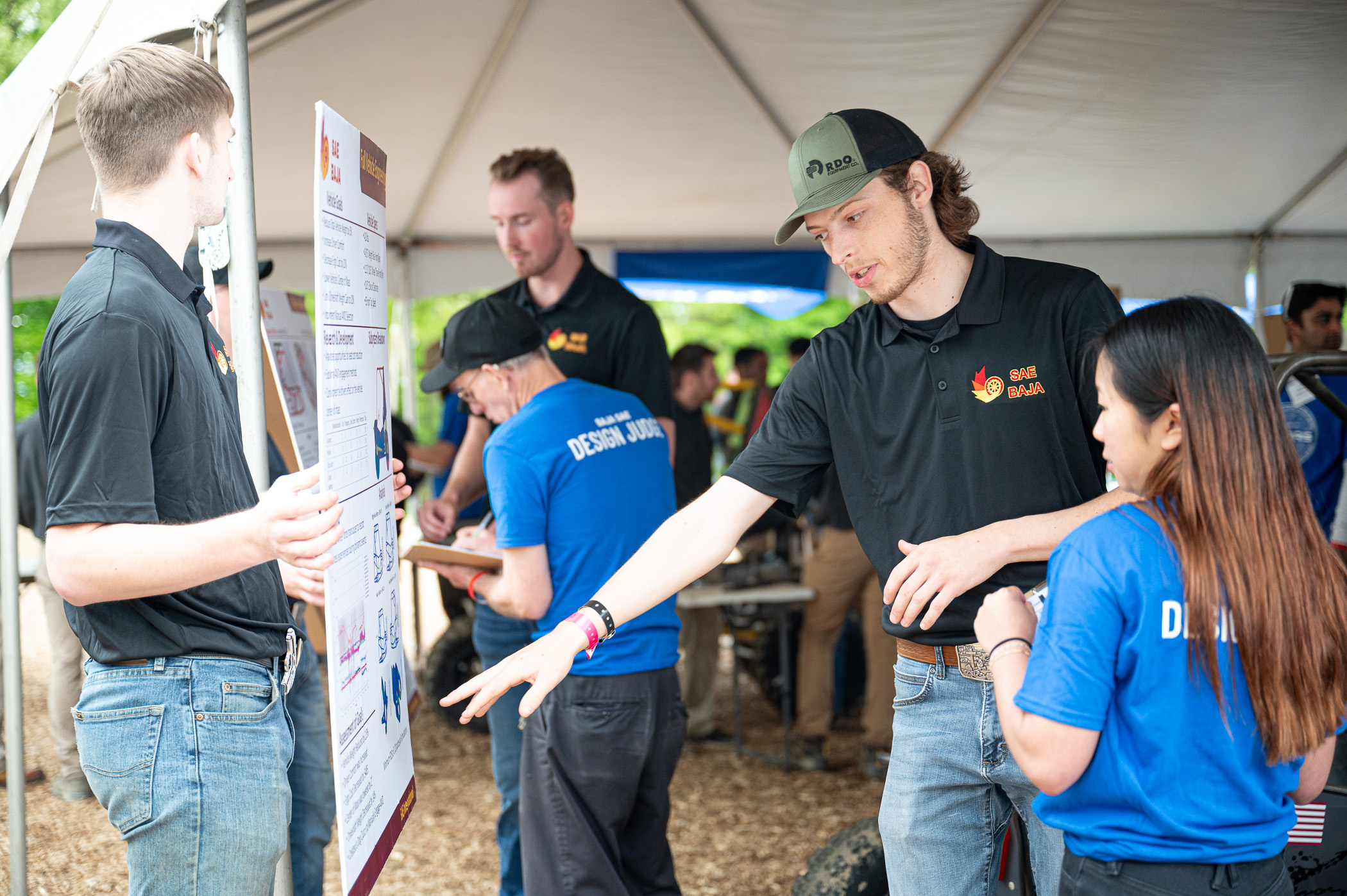
In addition to technical inspections, design judging, business presentations and cost reports:
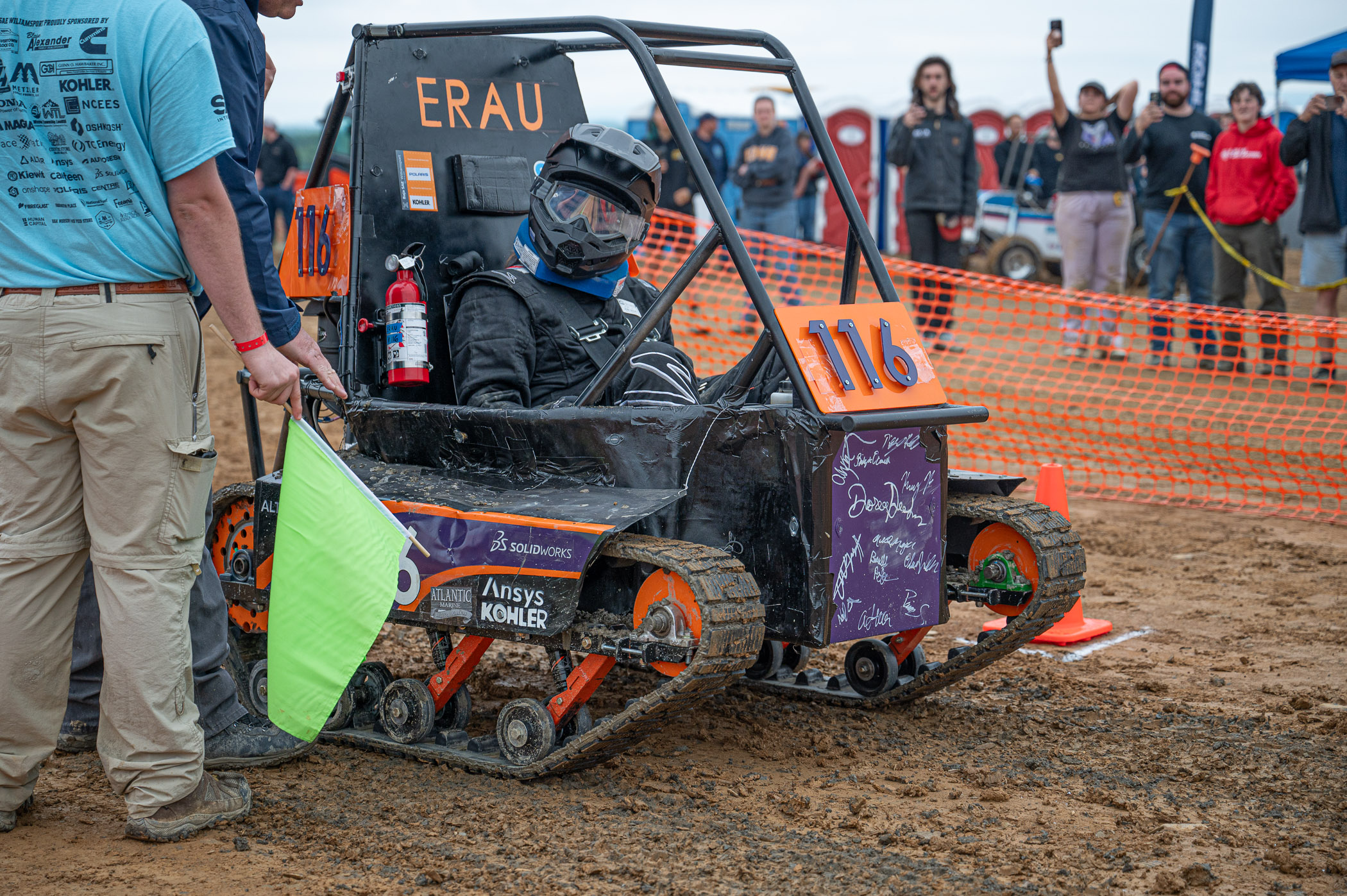
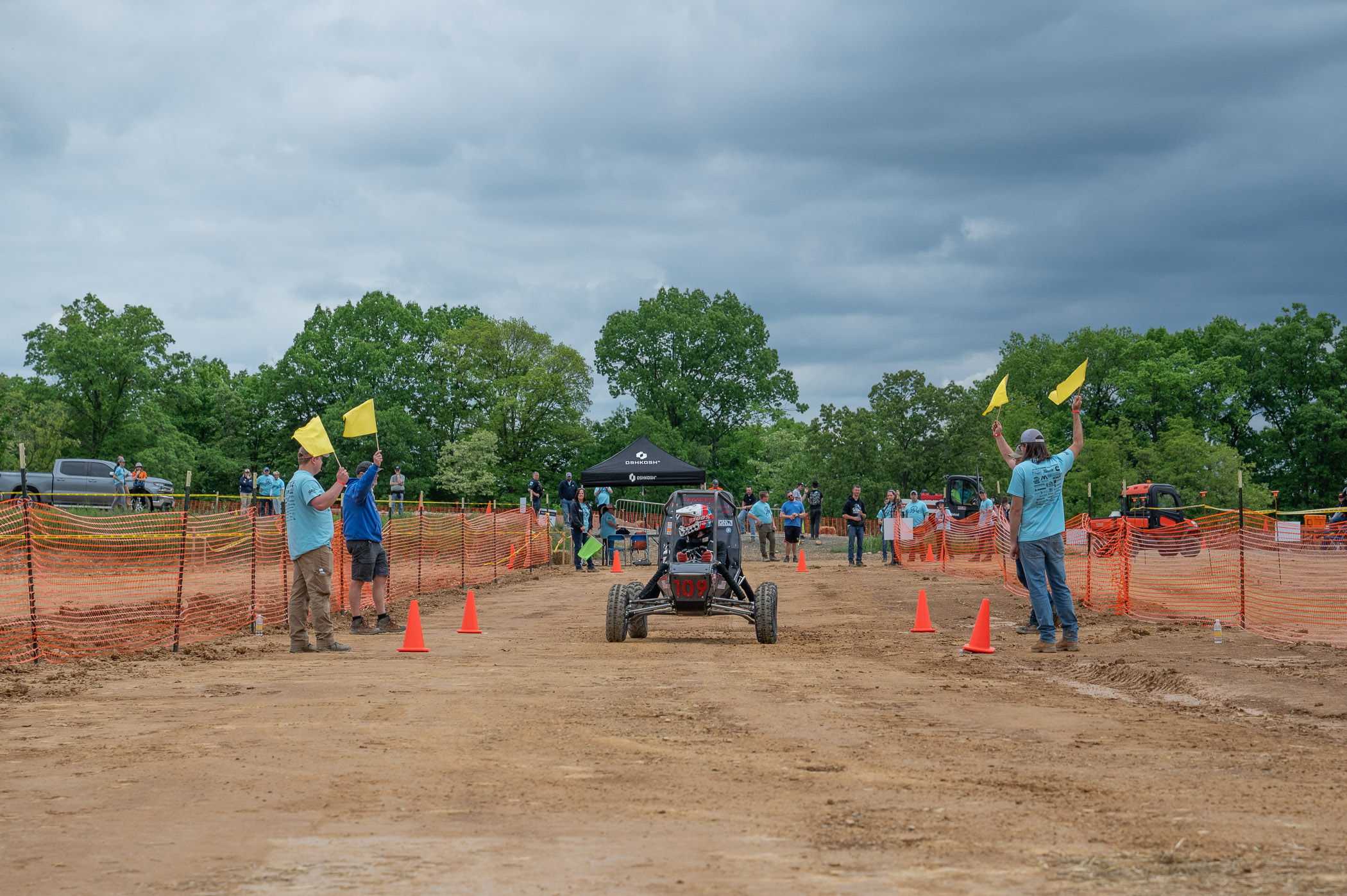
Acceleration: From a standing start, how fast the car can complete a 150-foot-long straight and level course.
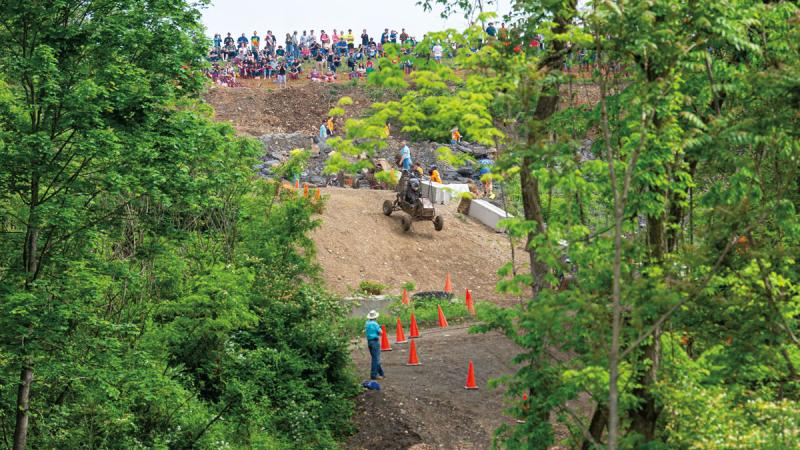
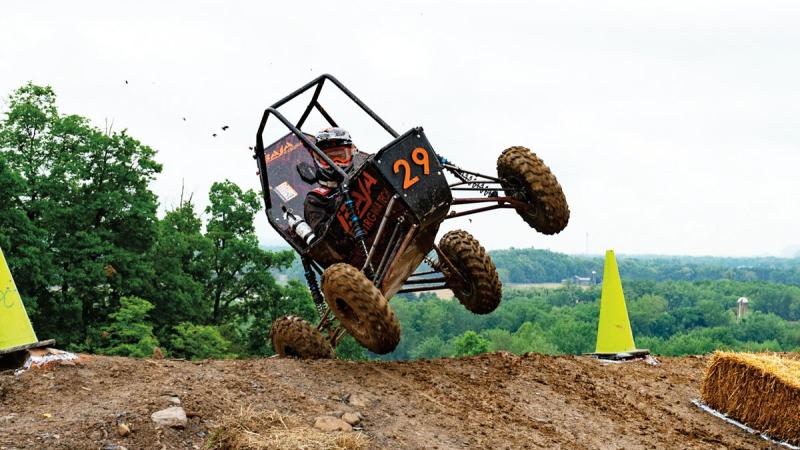
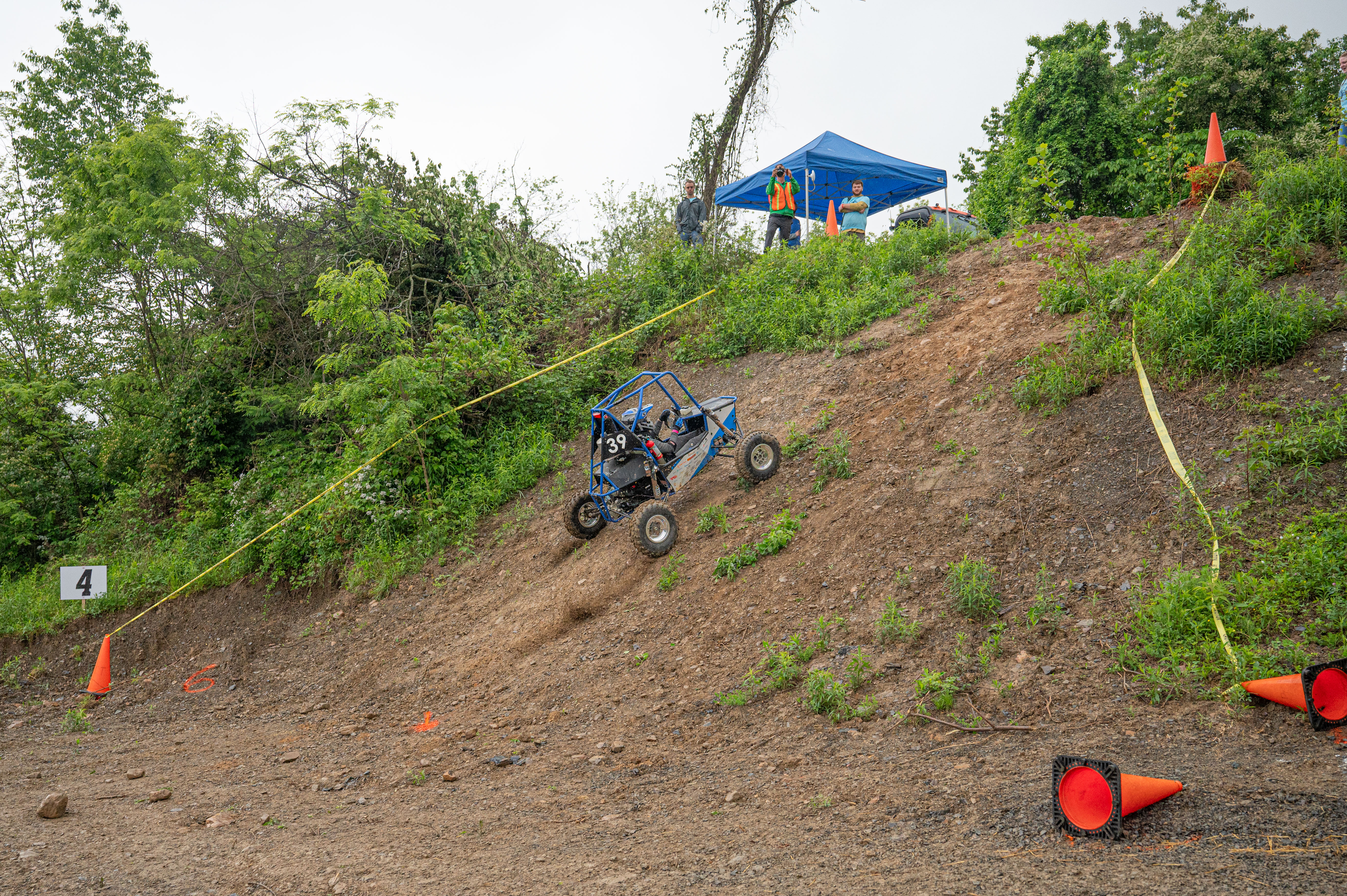
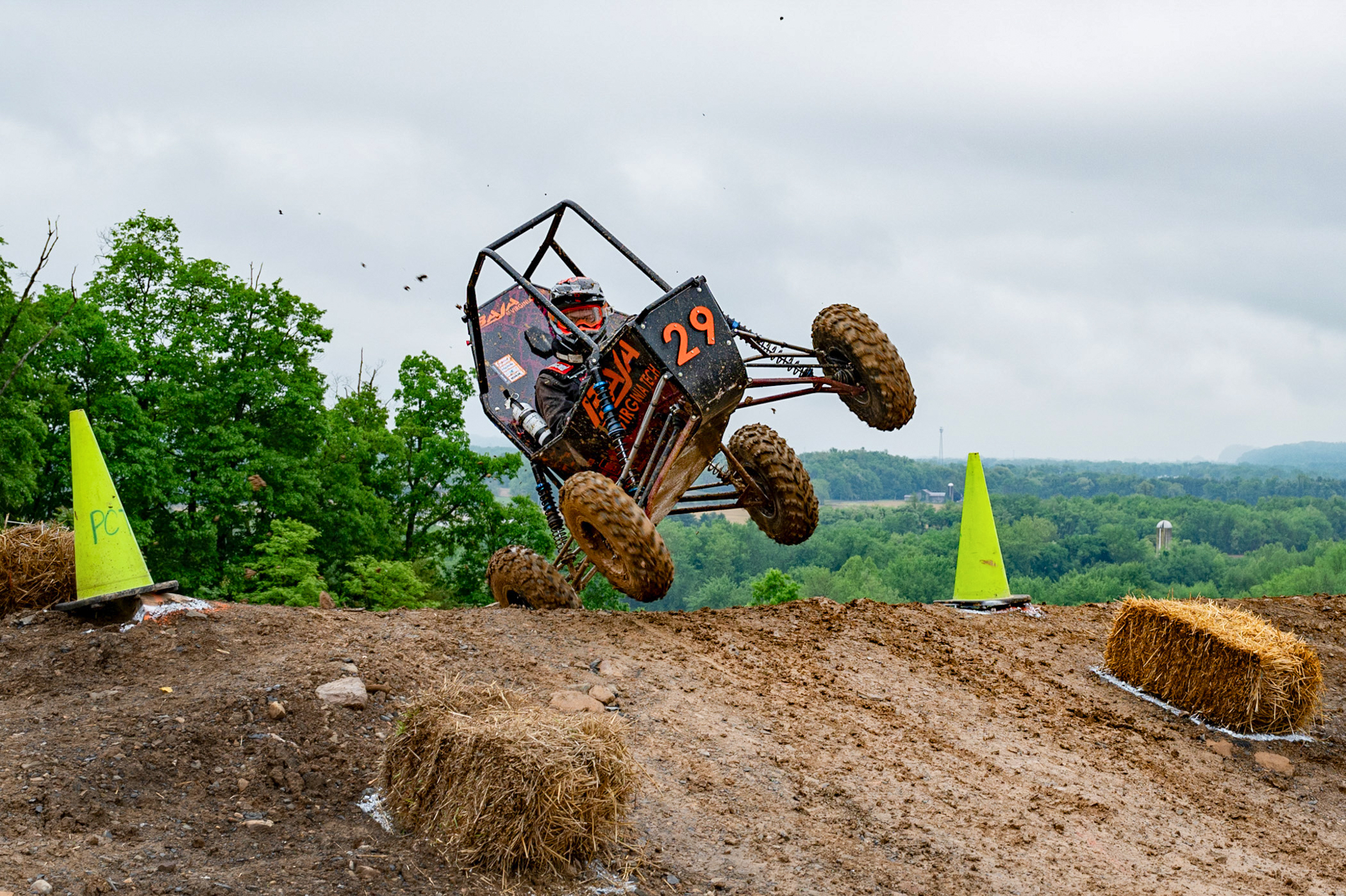
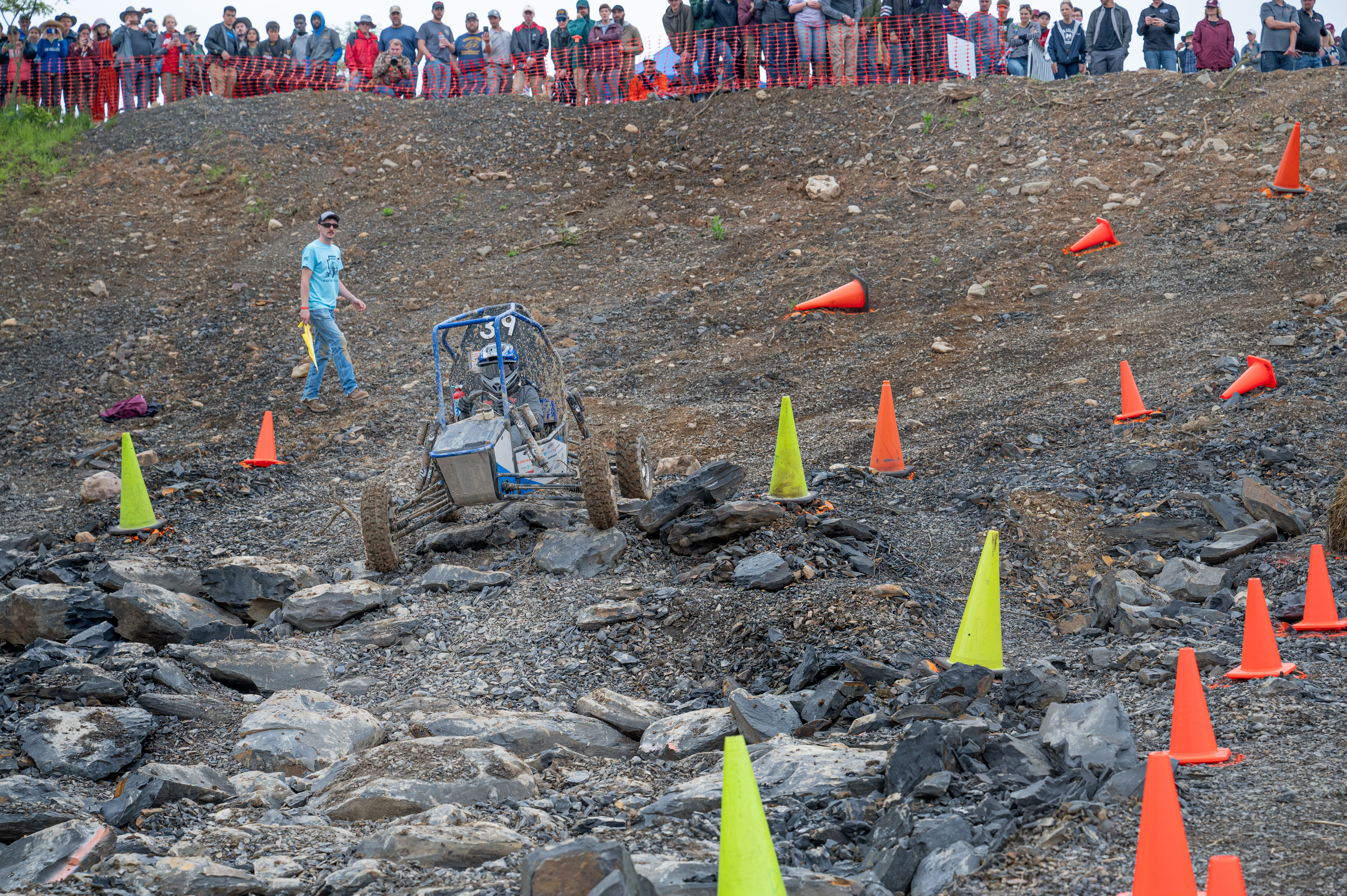
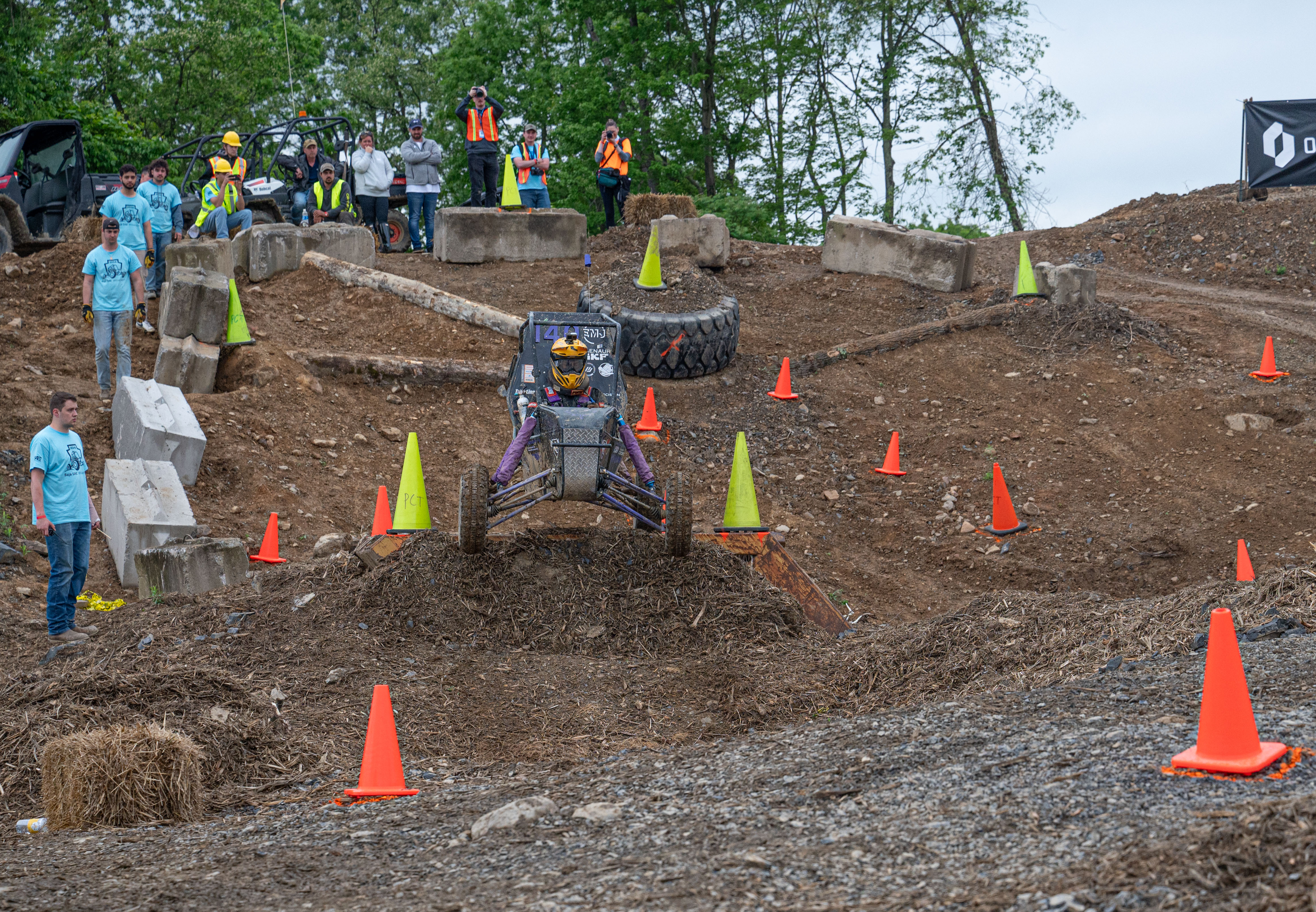
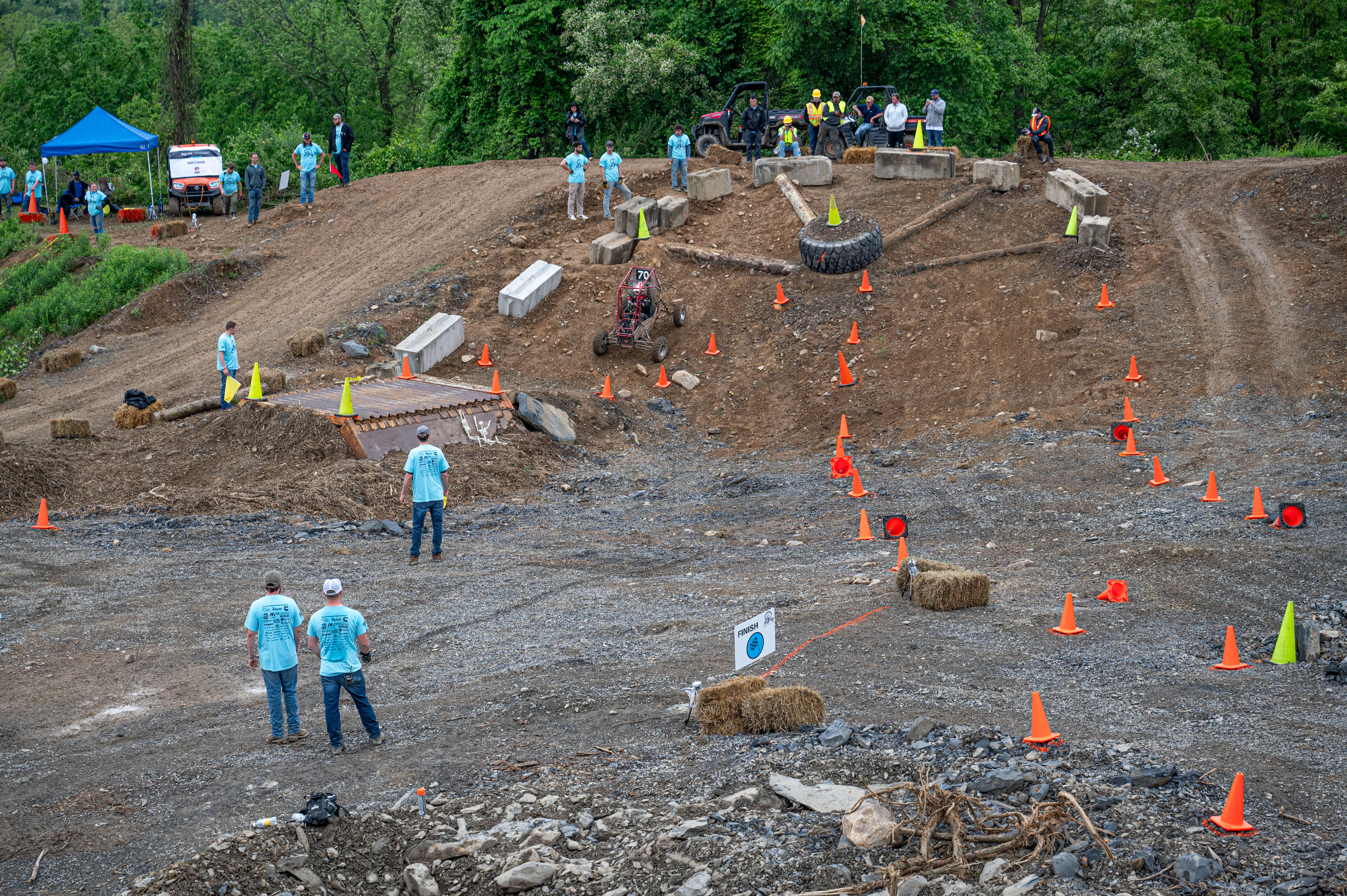
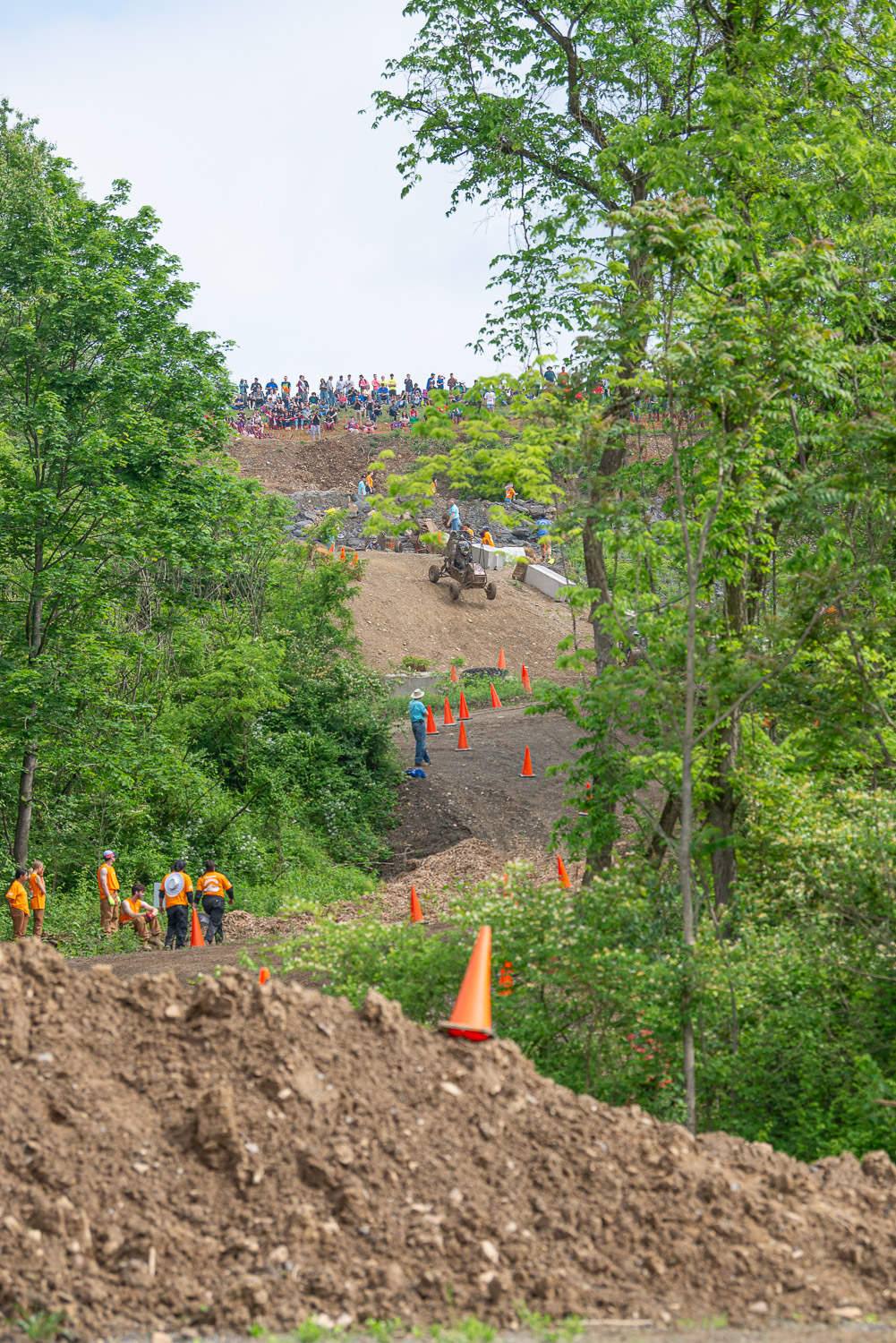
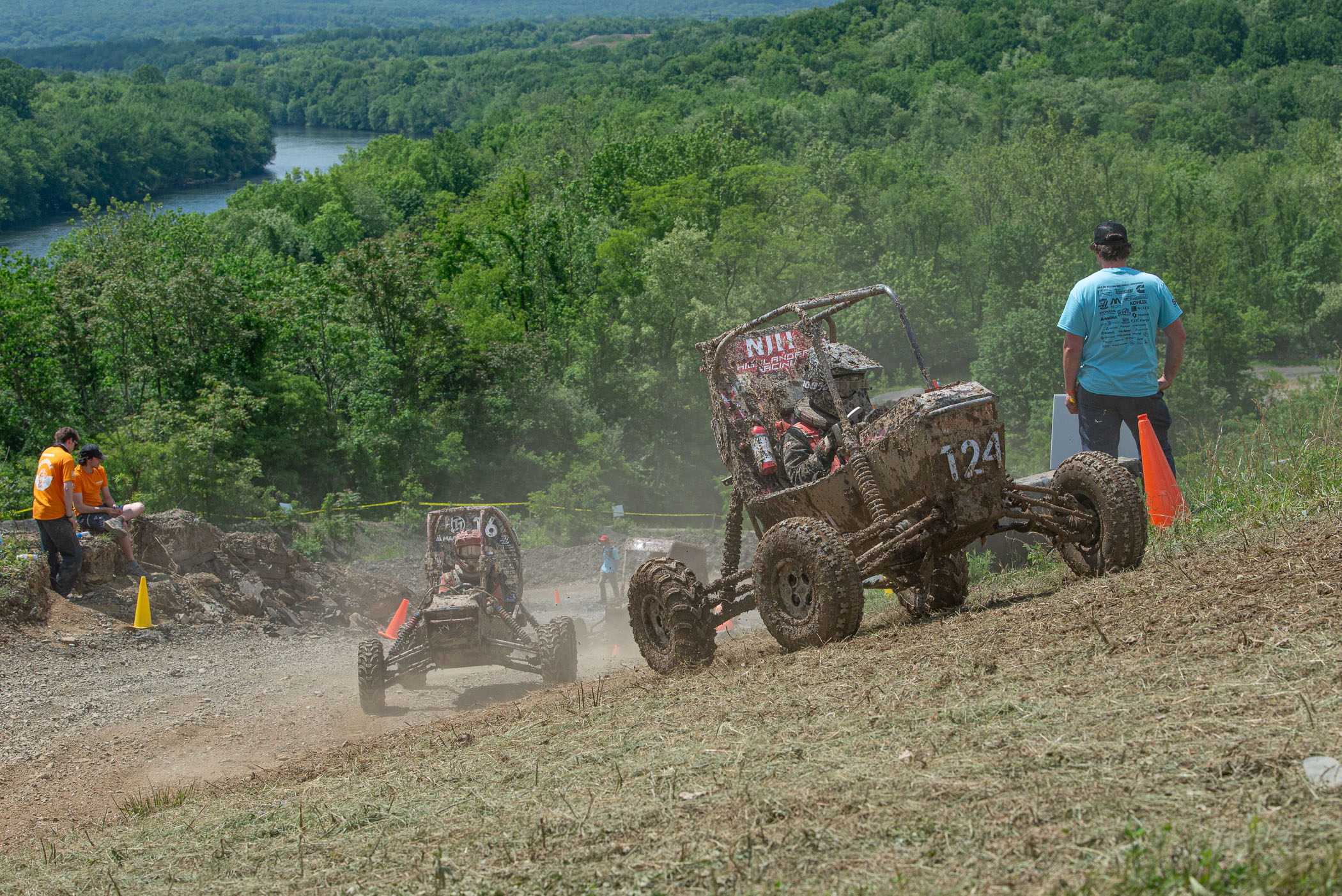
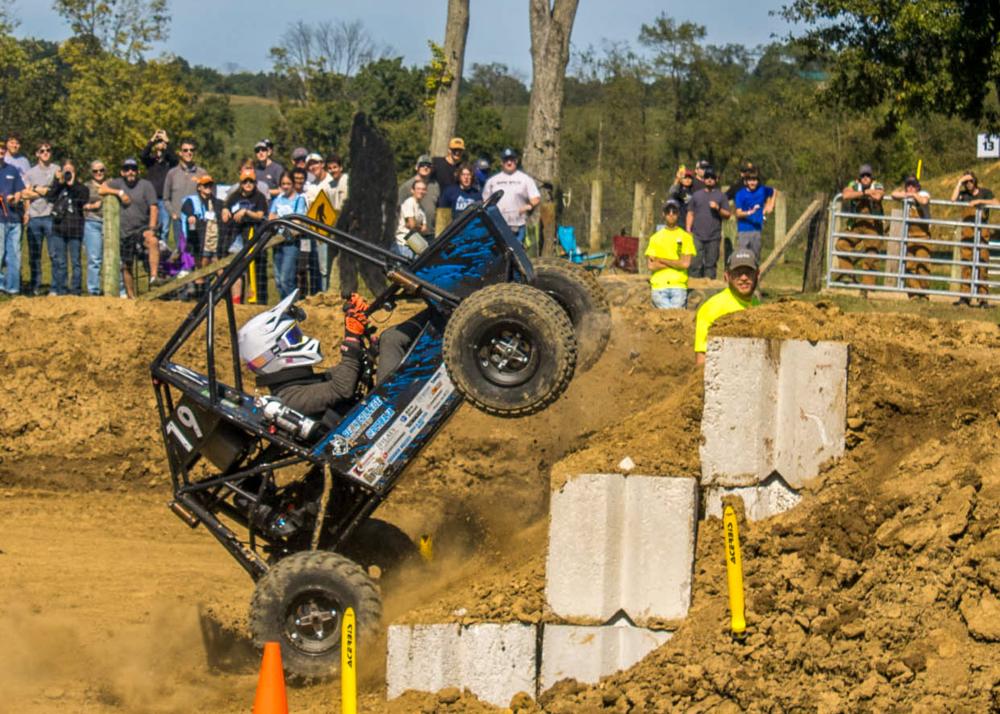
Hill climb: How fast the car can complete a course consisting of, at minimum, a 40-degree slope. The event tests the car’s low-speed traction. If the car can’t finish, its distance traveled is measured.
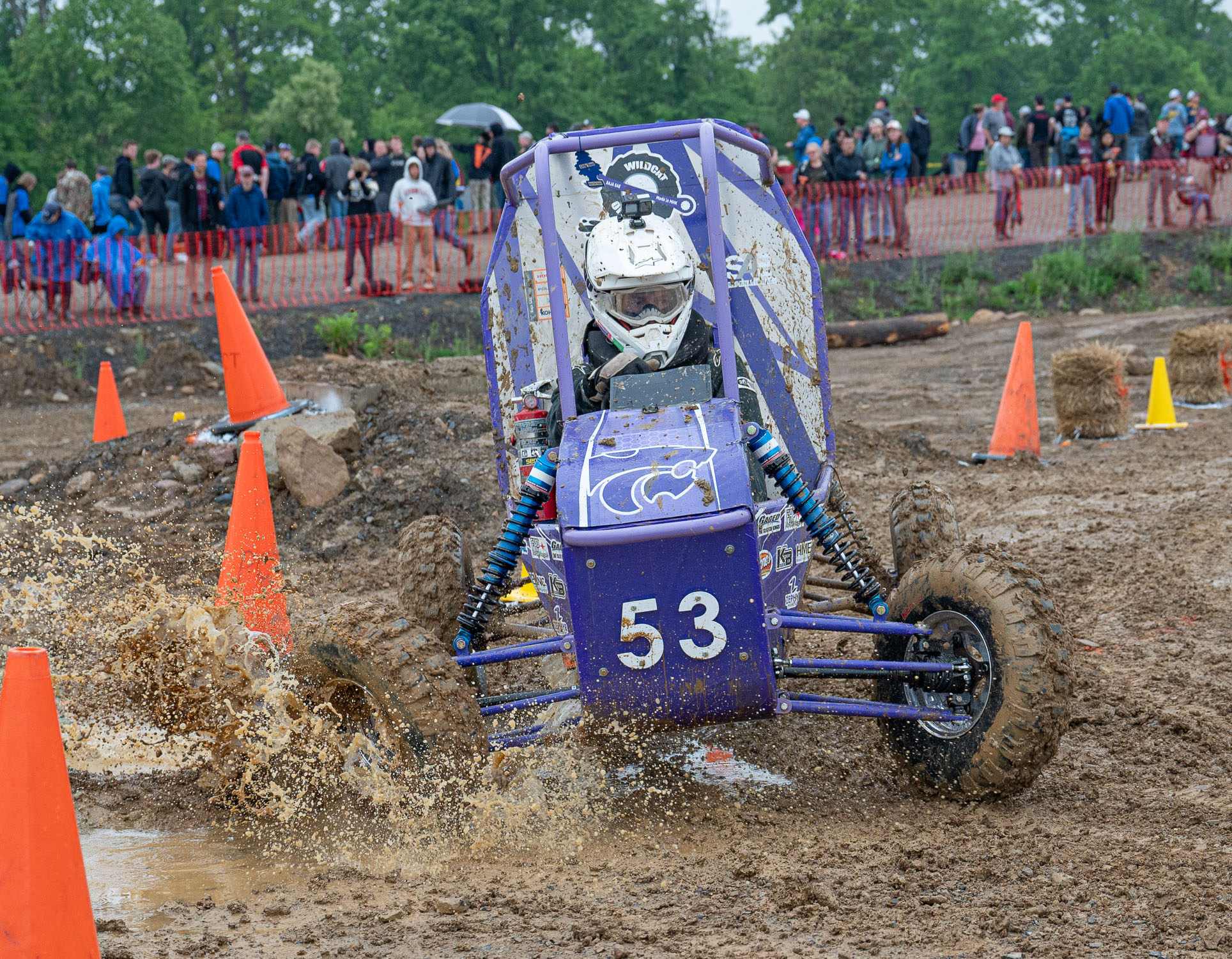
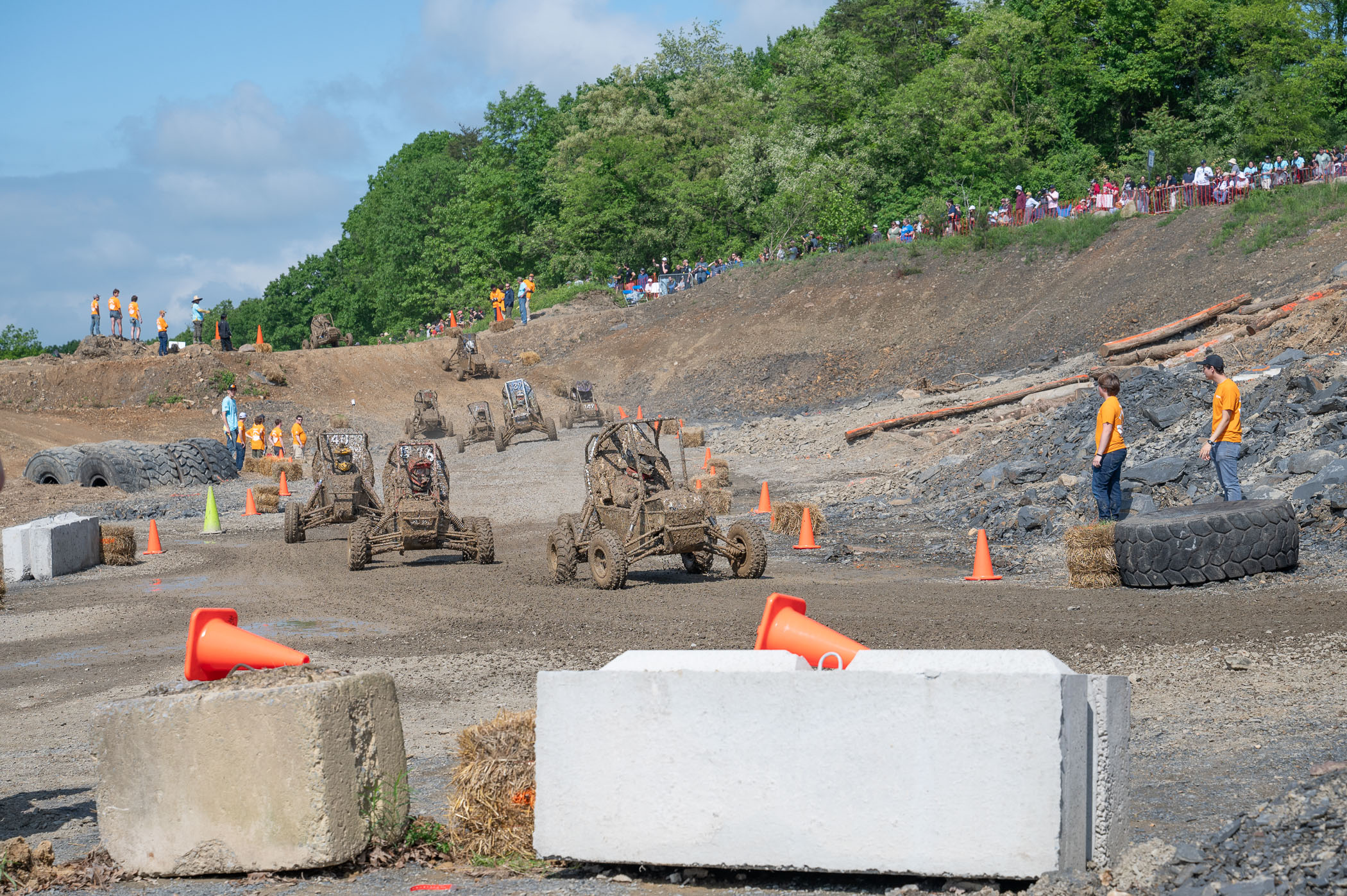
Maneuverability: How fast the car can complete a twisting course, requiring turning and acceleration/braking. It tests the car’s high- and low-speed handling over relatively gentle terrain. If the car misses a gate, the run is invalidated.
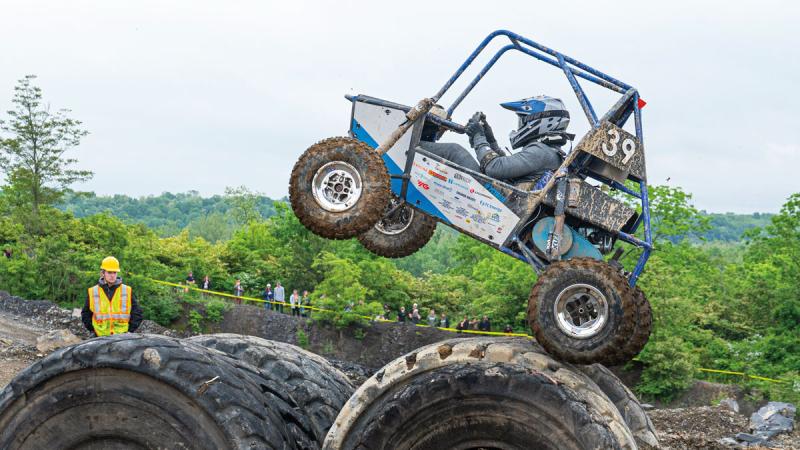
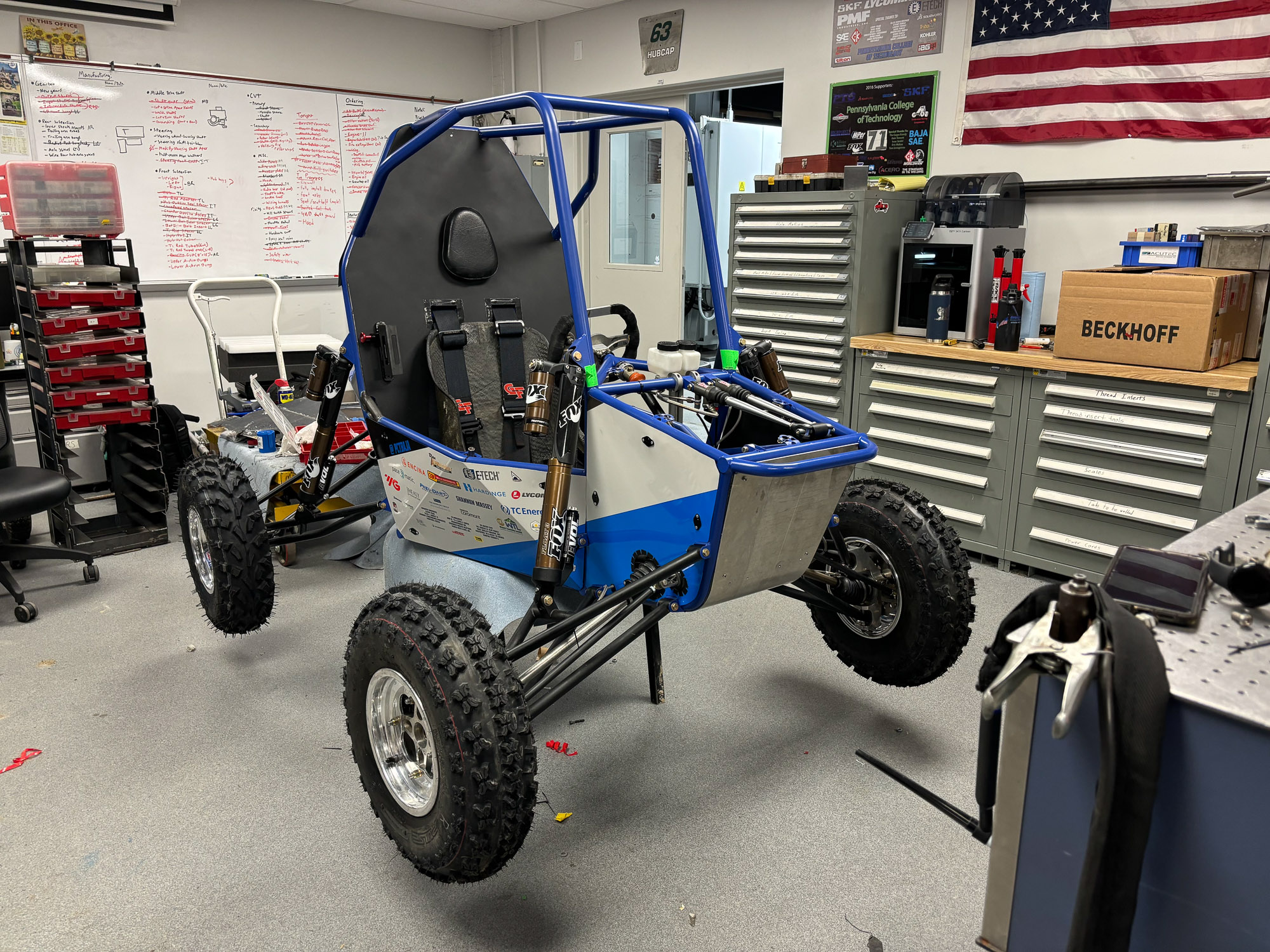
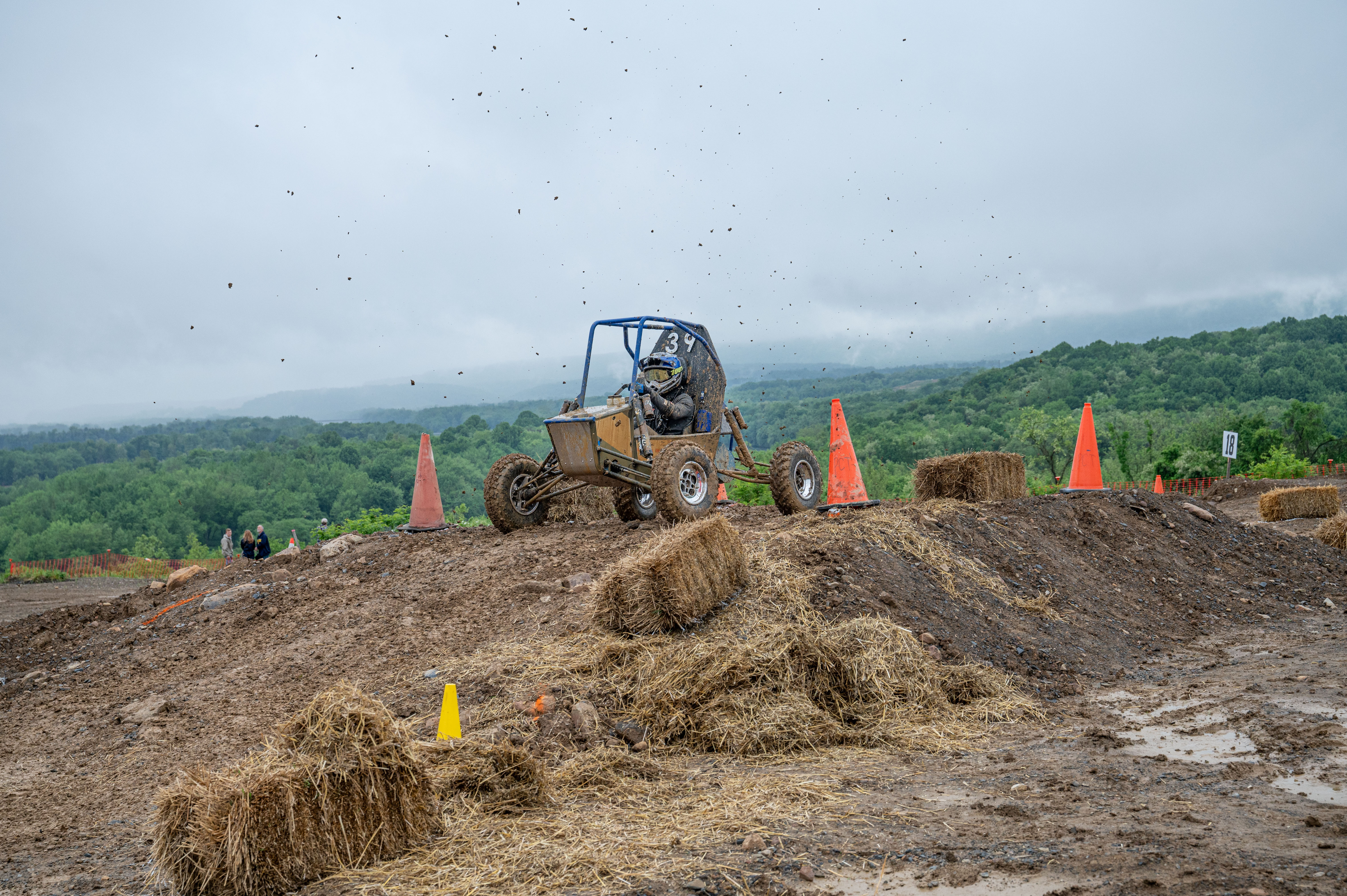
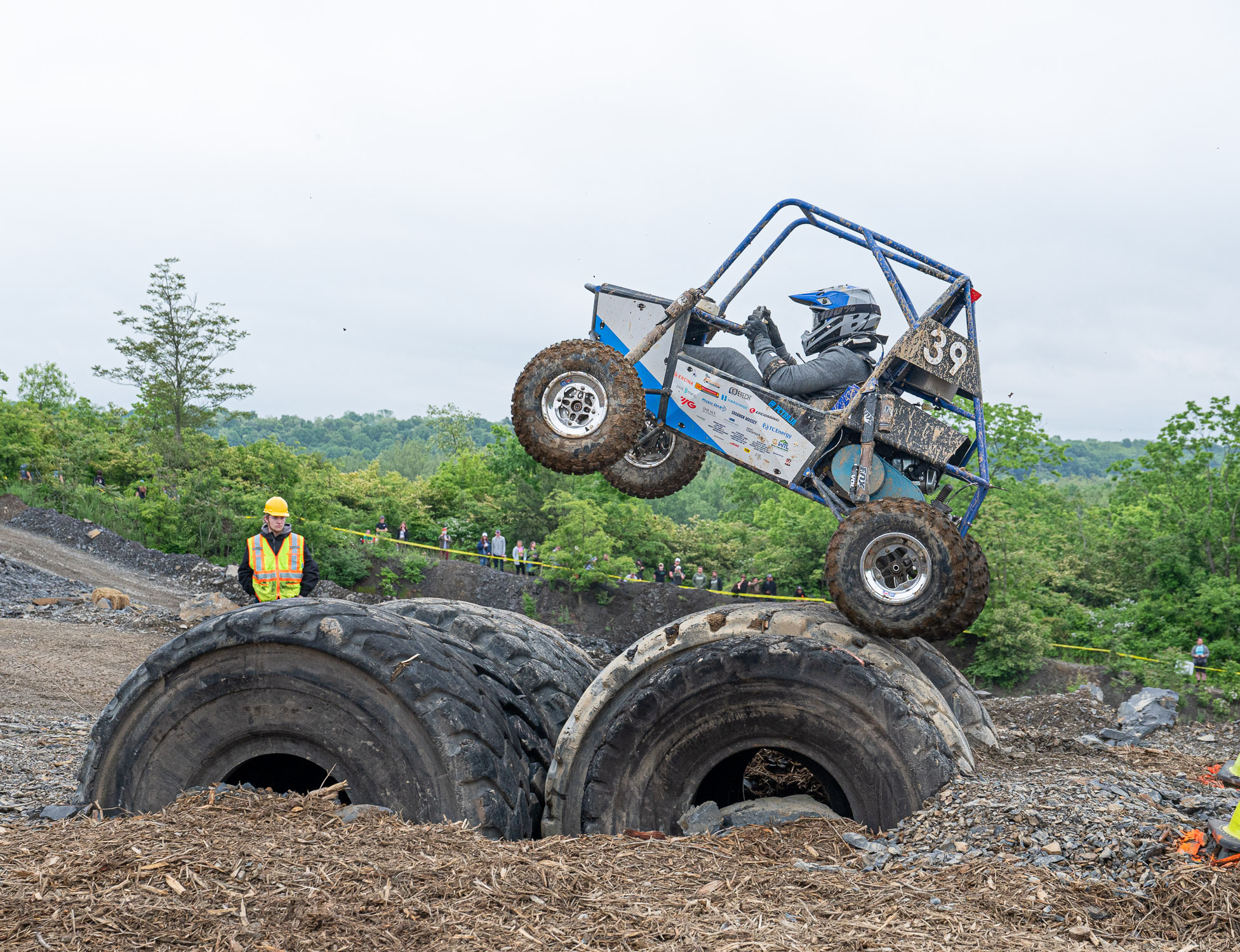
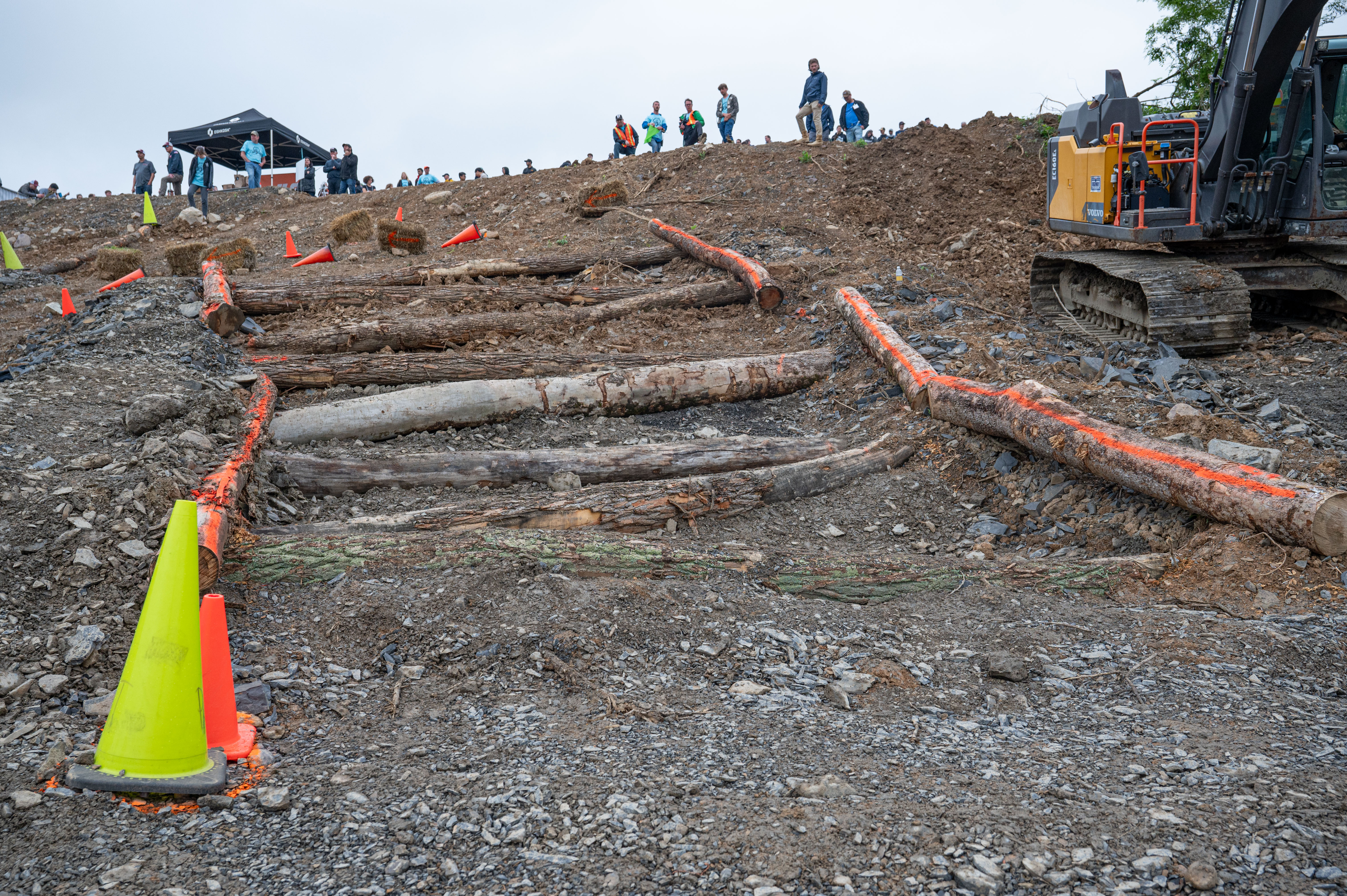
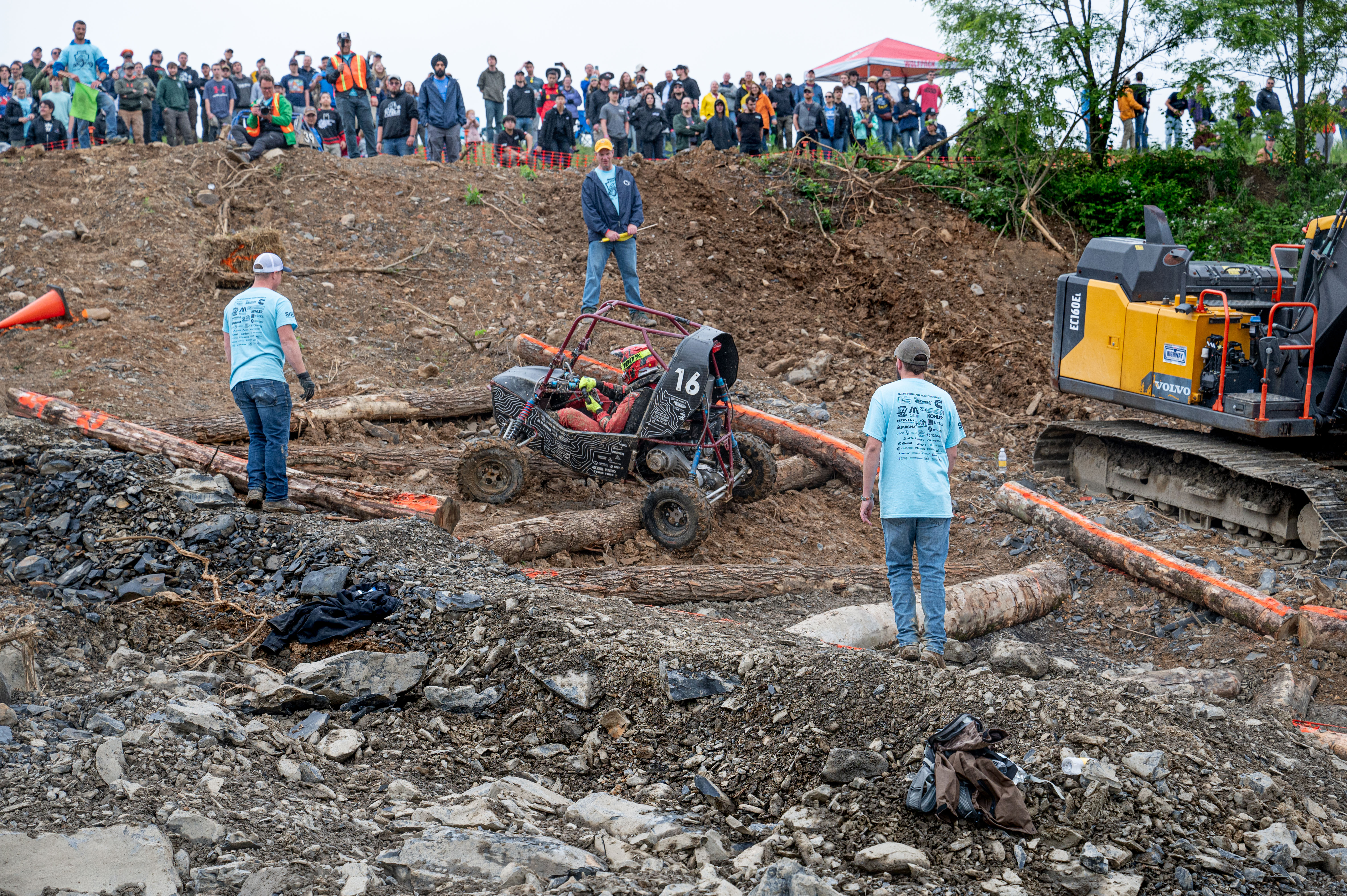
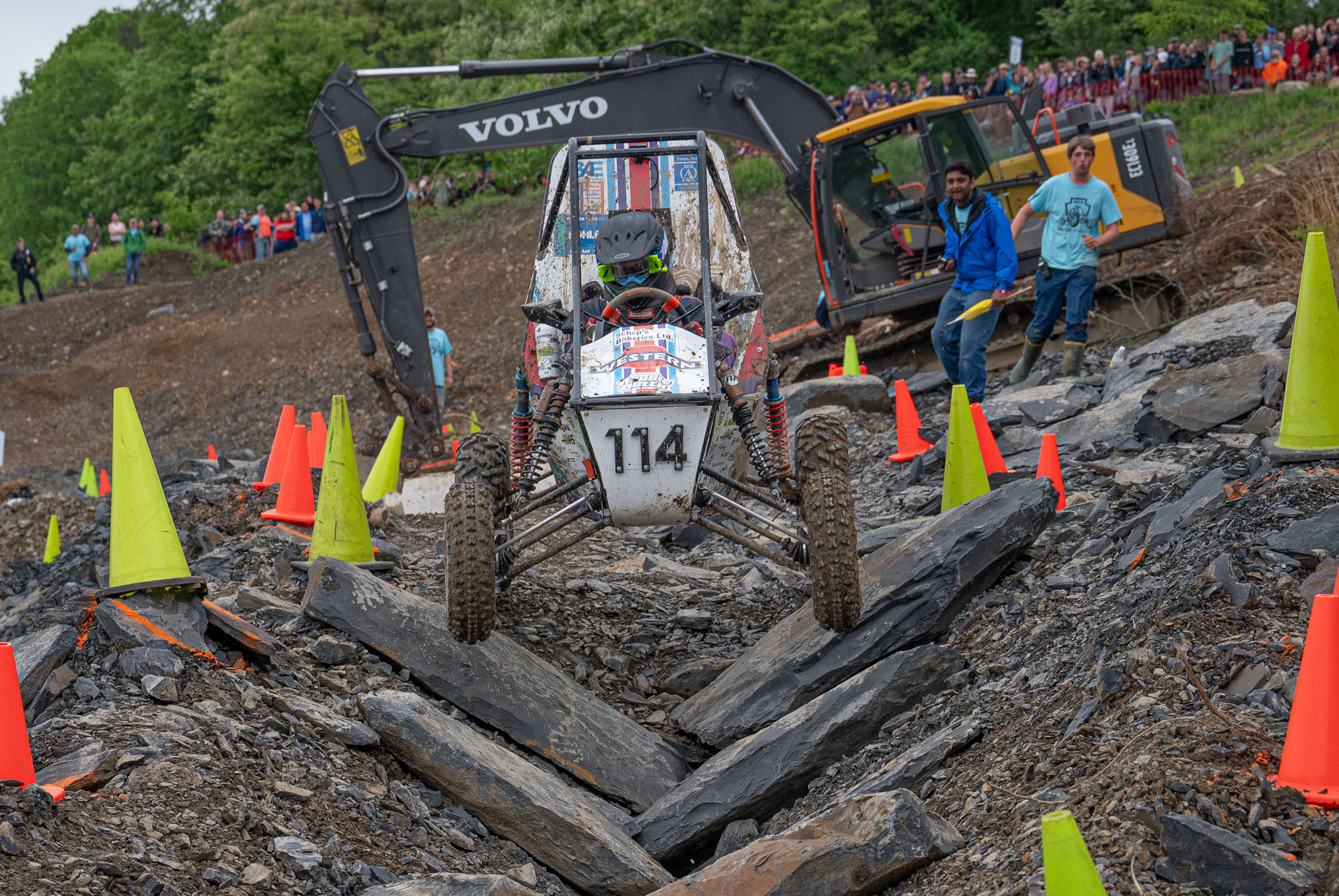
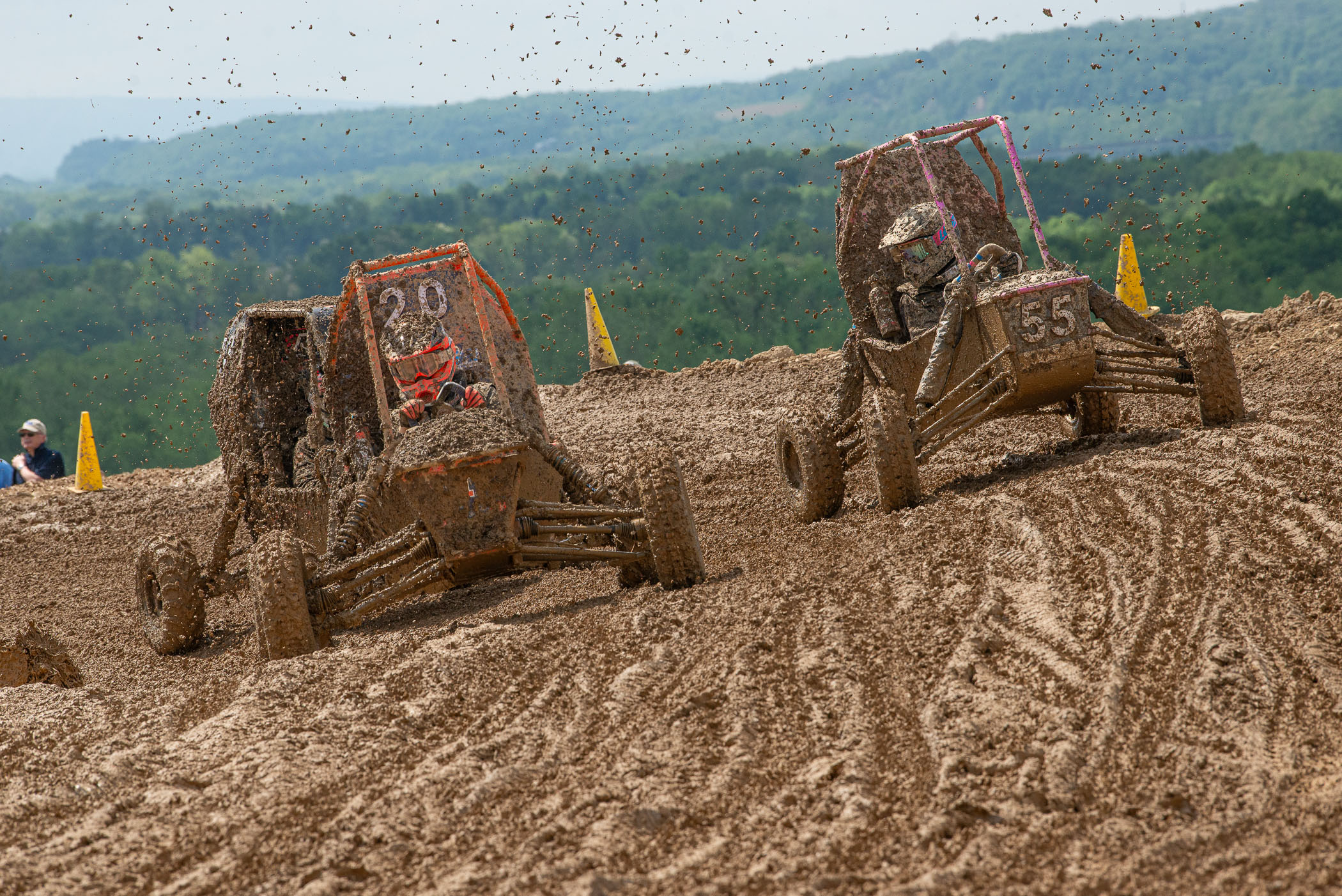
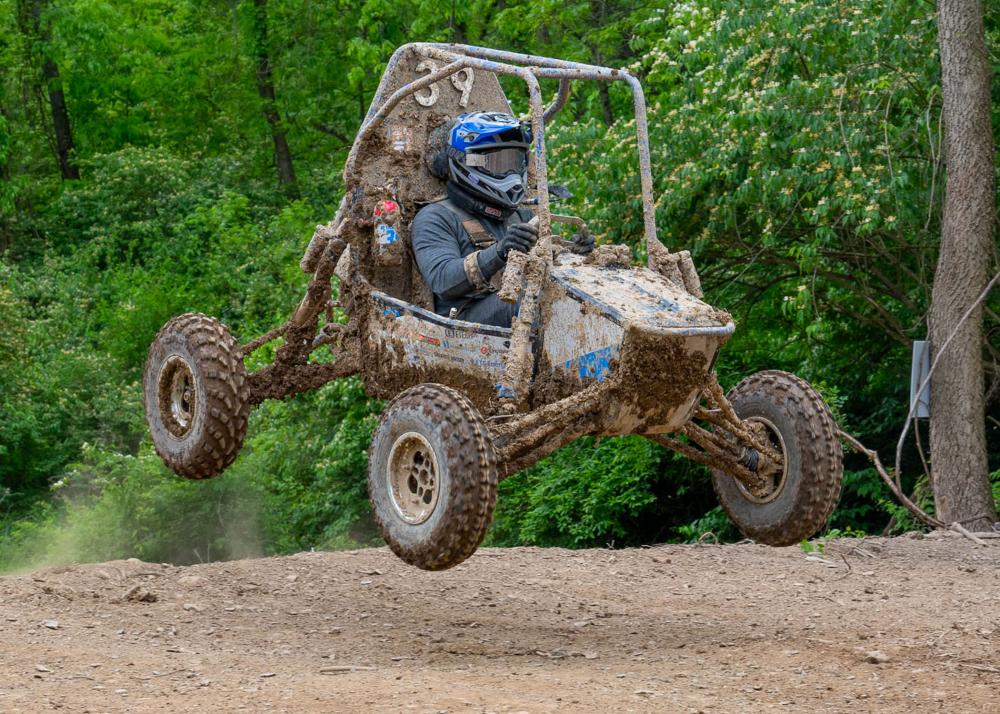
Suspension: How fast the car can complete a rugged course consisting of inclines, rocks and other obstacles. It tests the car’s suspension, ground clearance and traction. If the vehicle fails to finish, the distance traveled is measured.
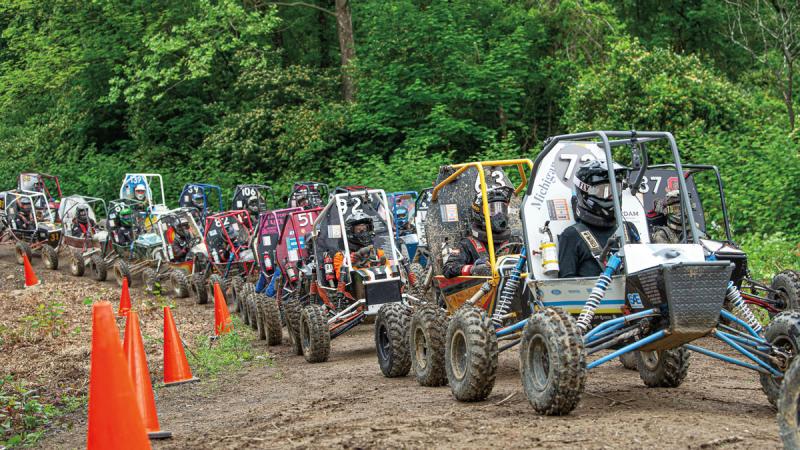
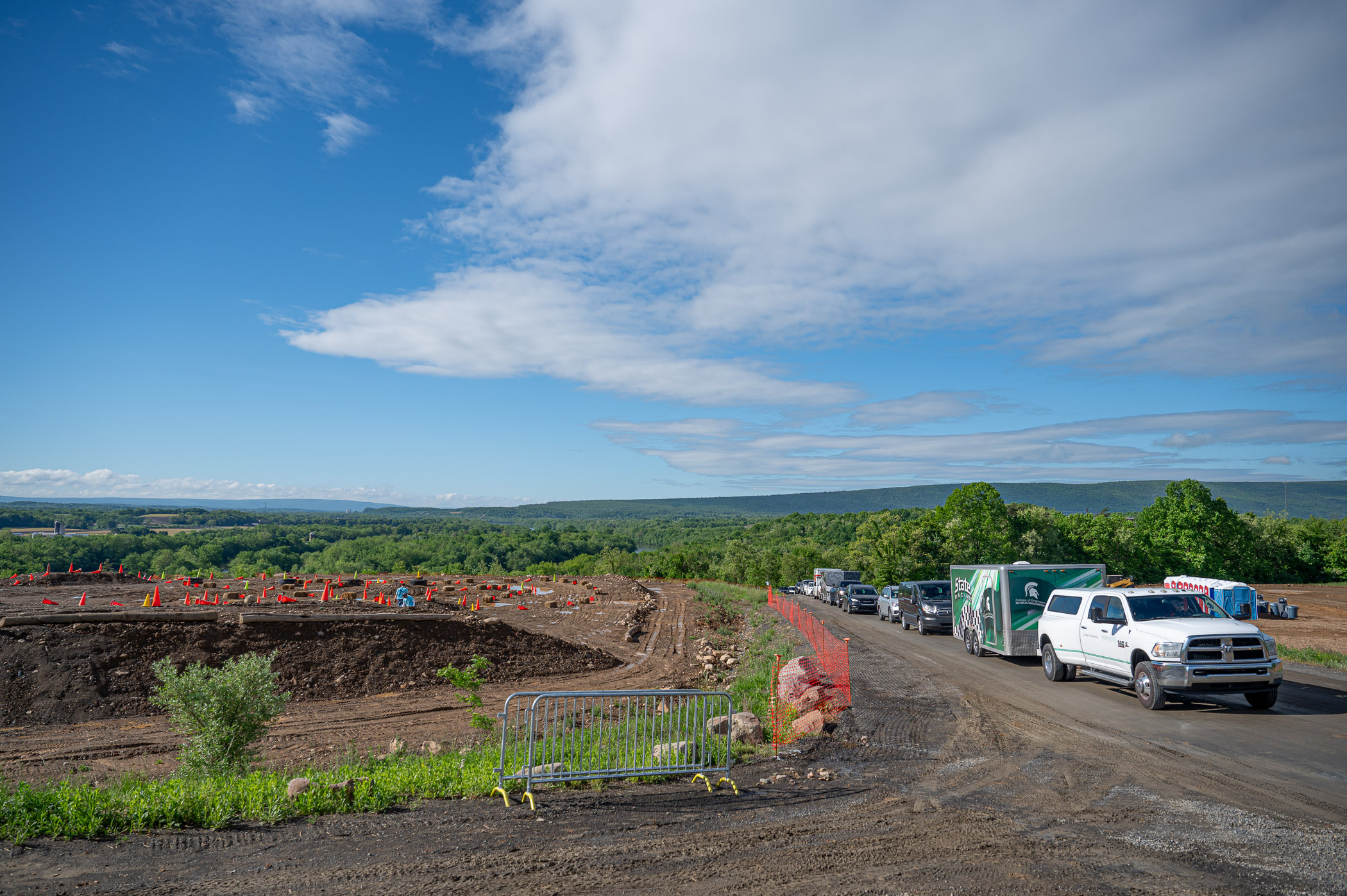
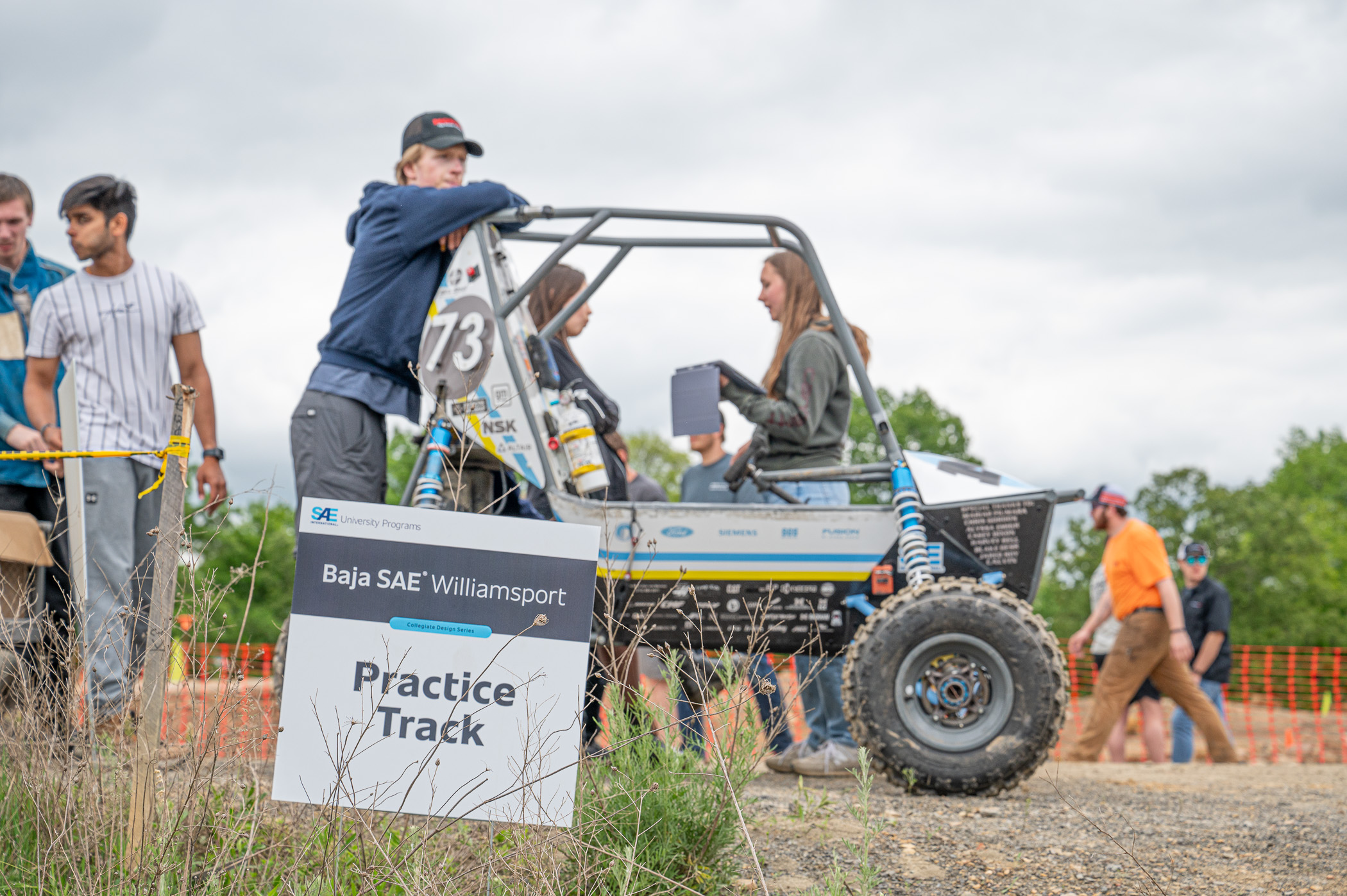
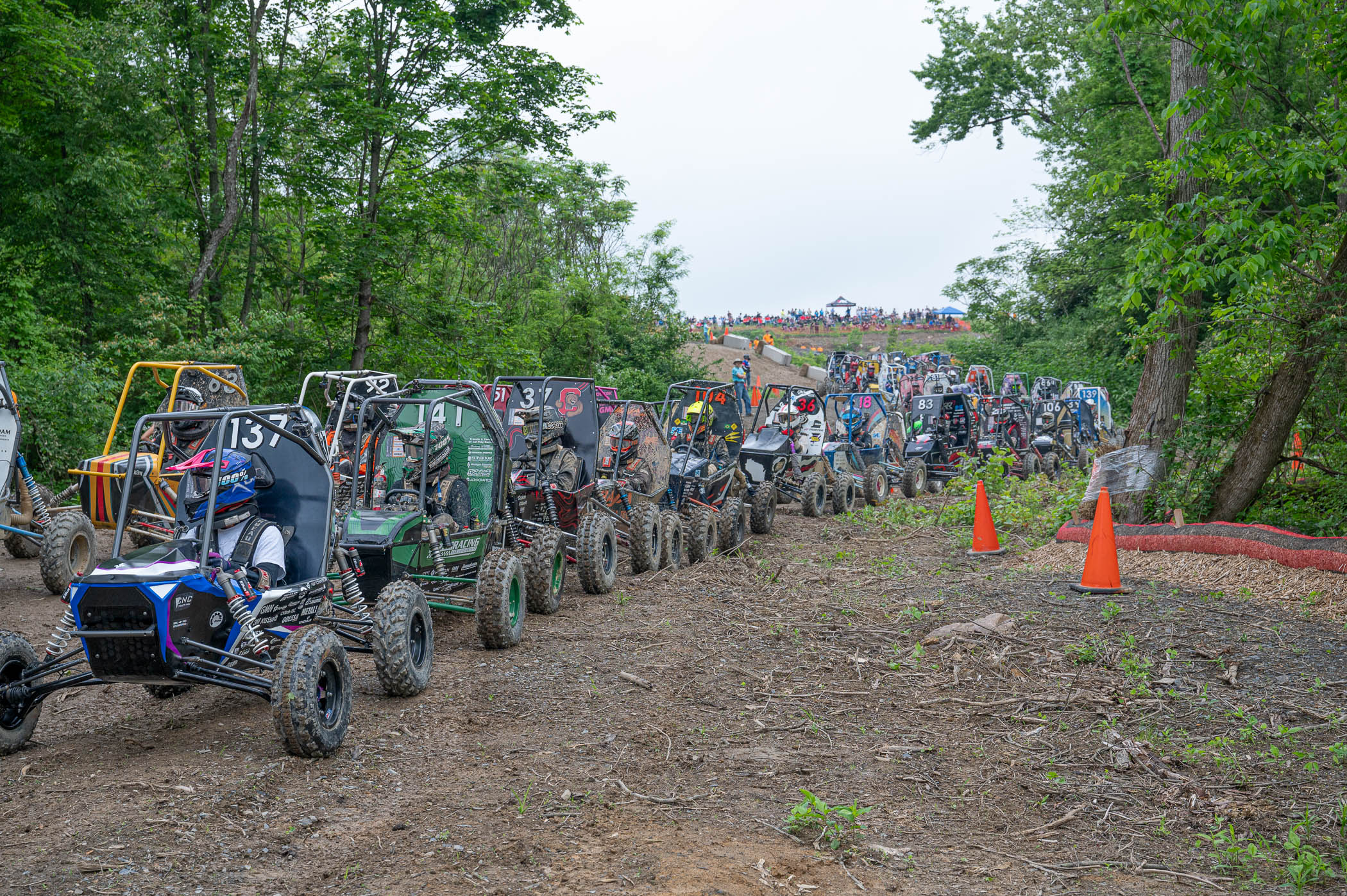
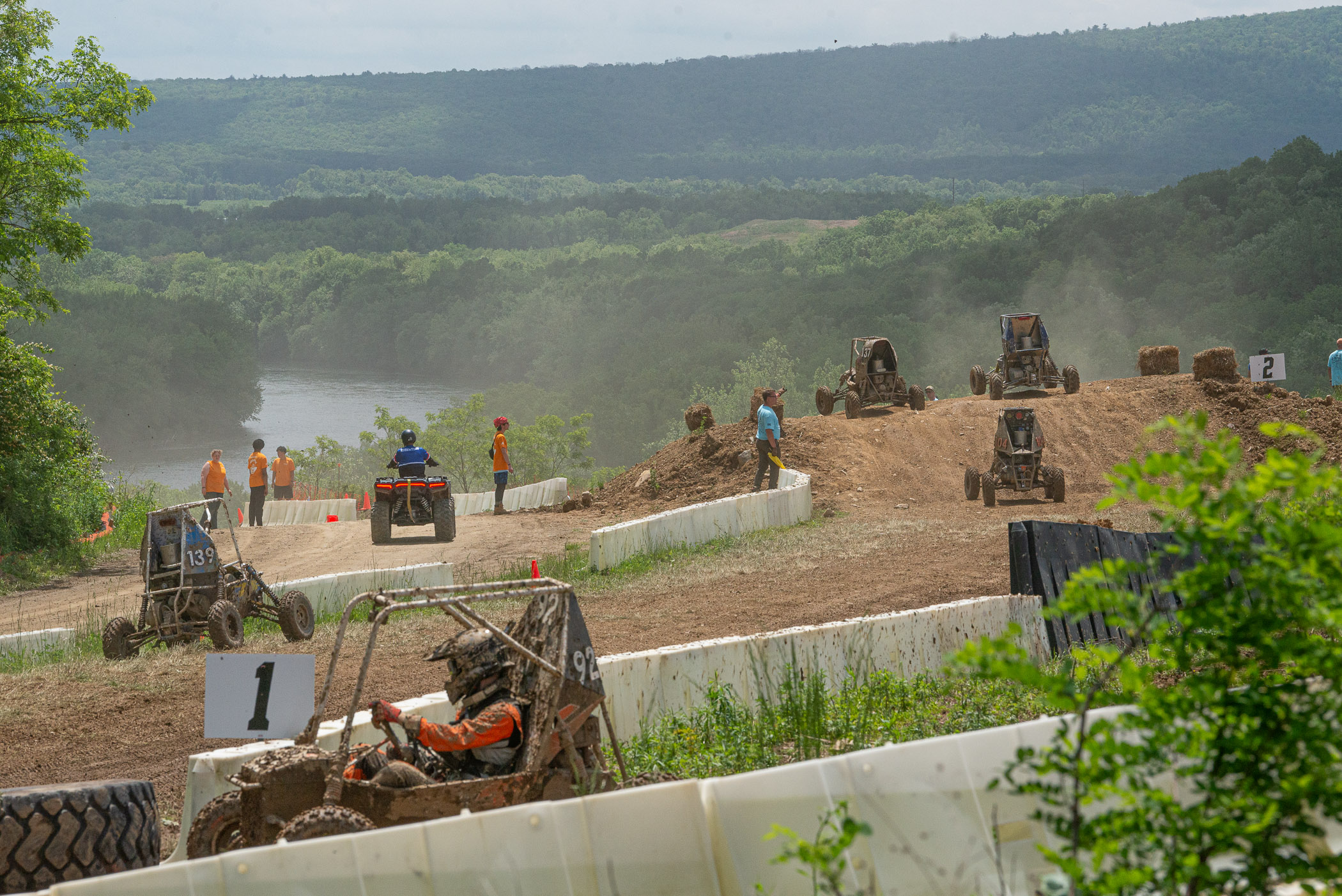
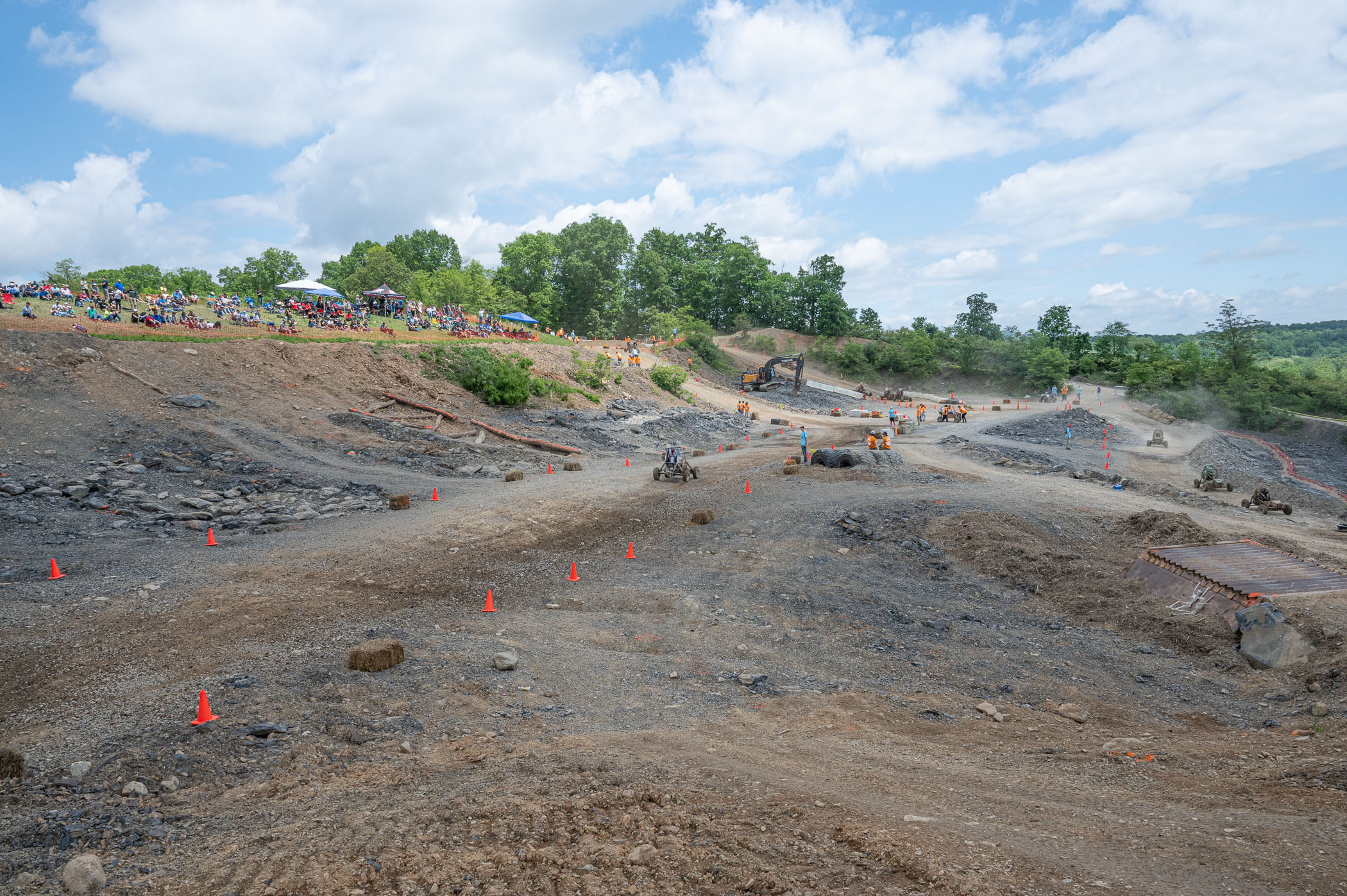
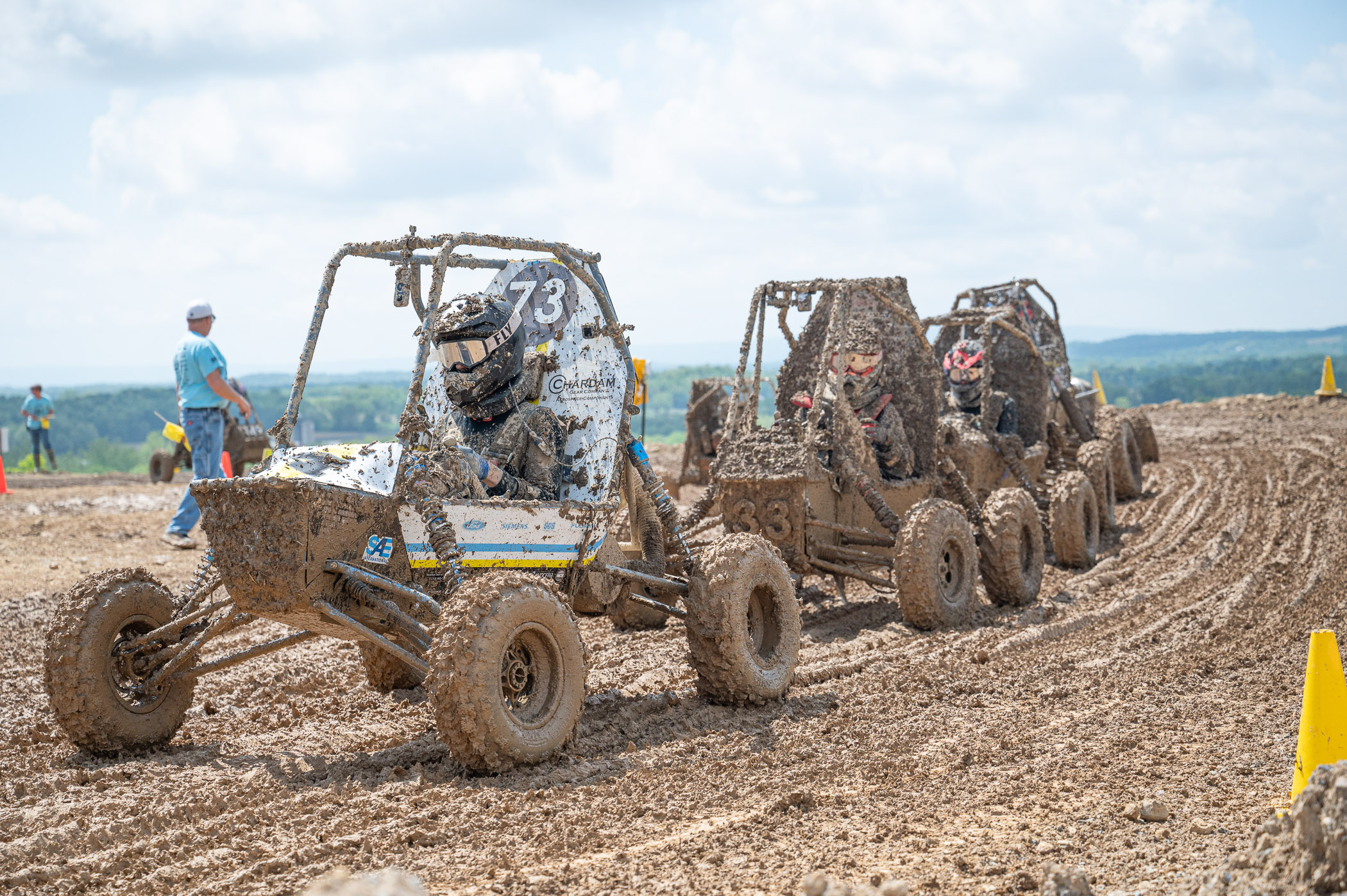
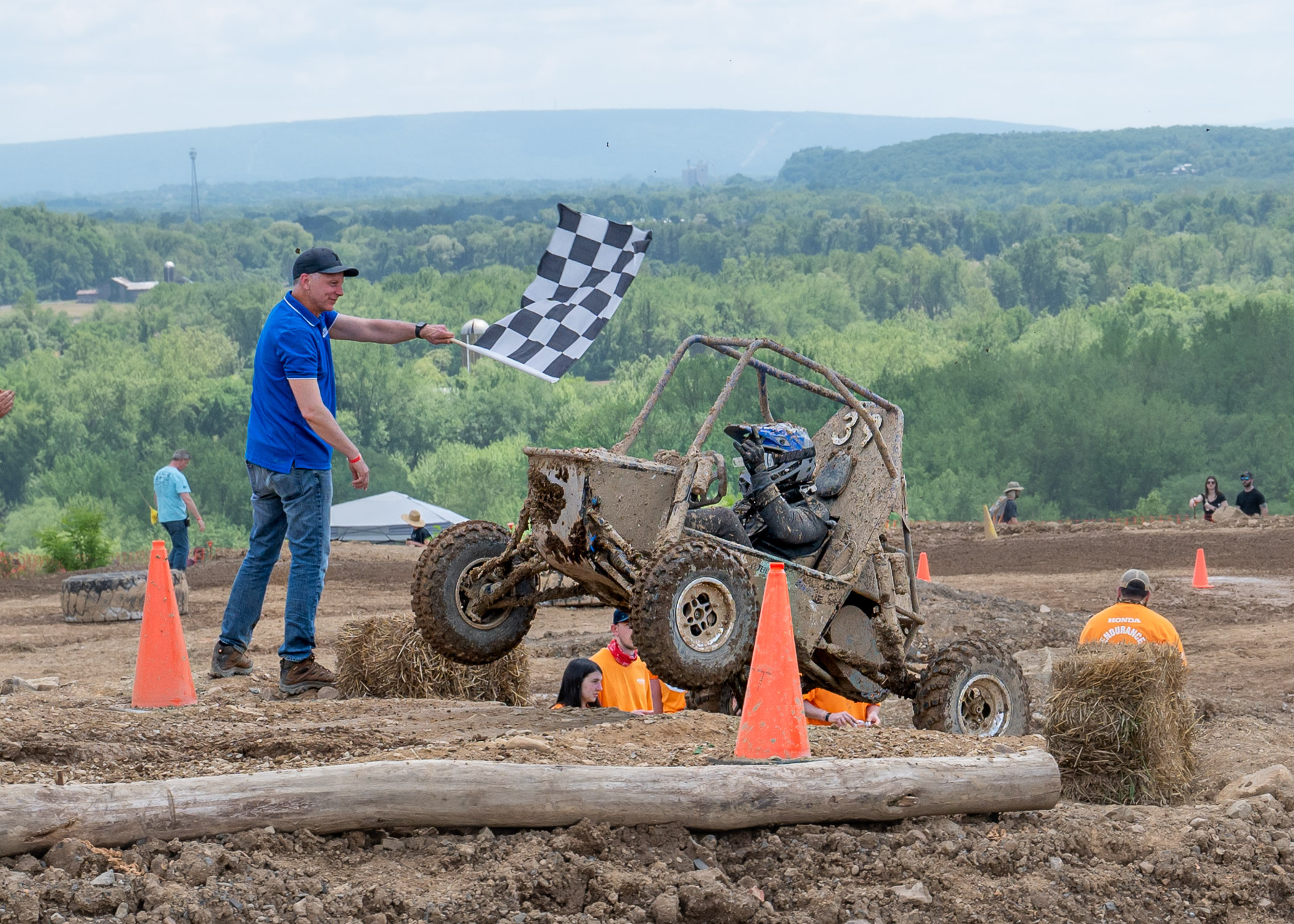
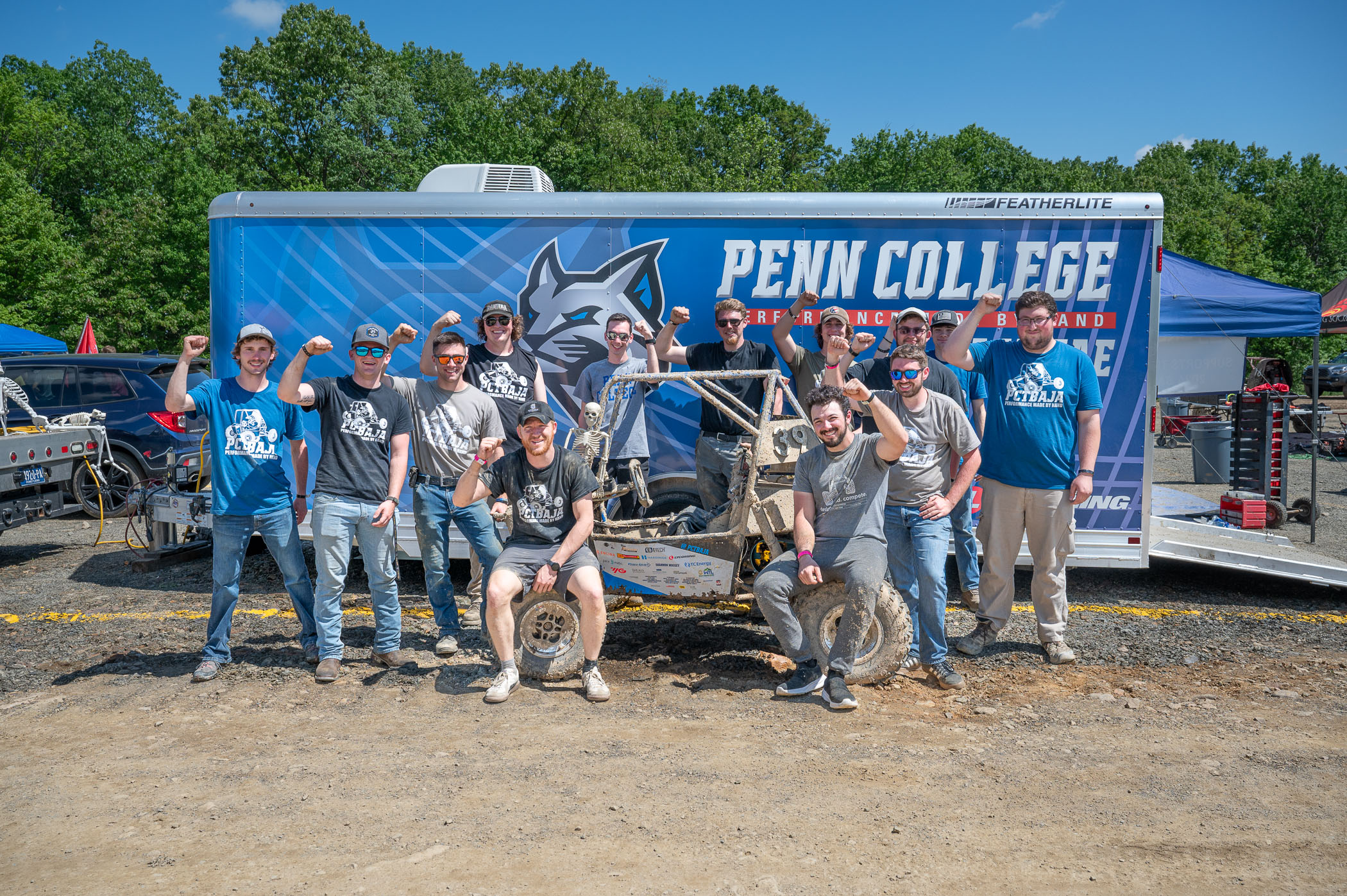
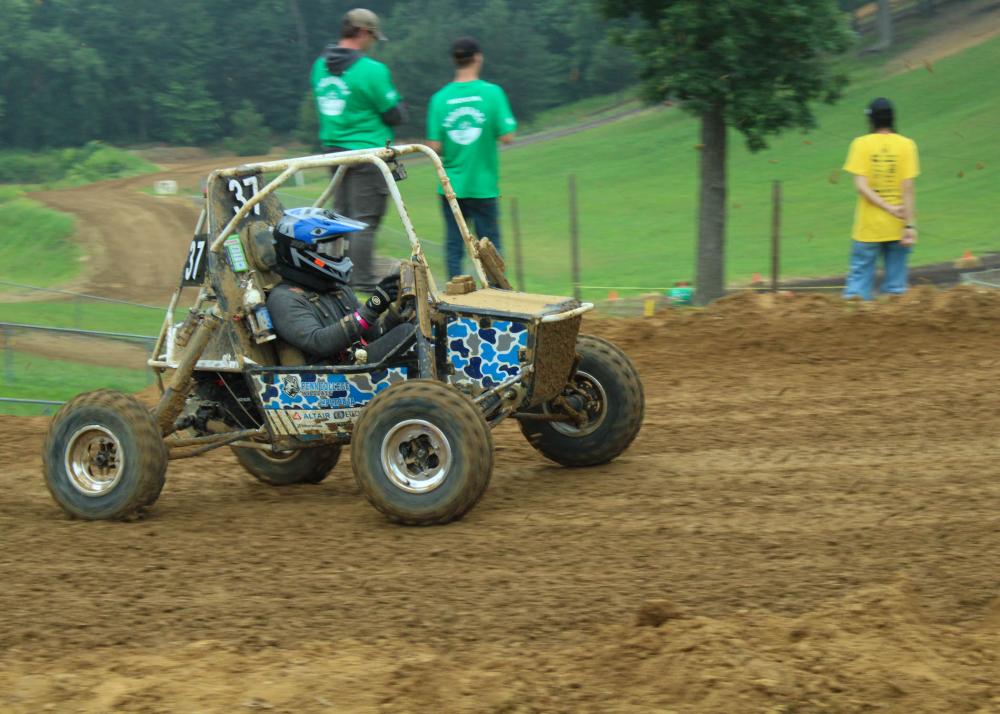
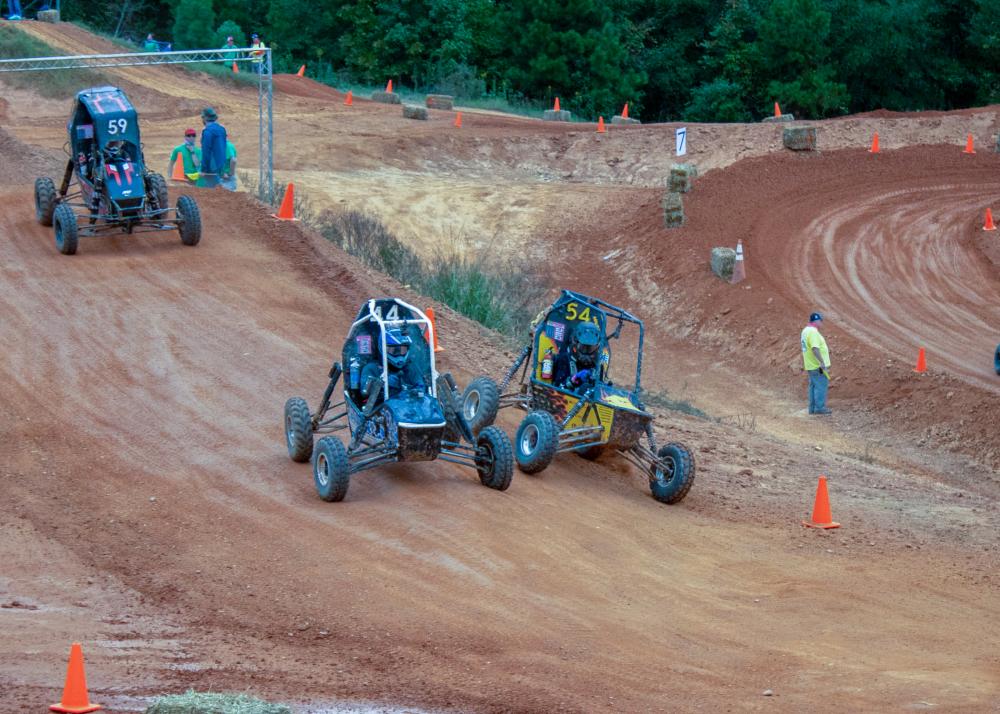
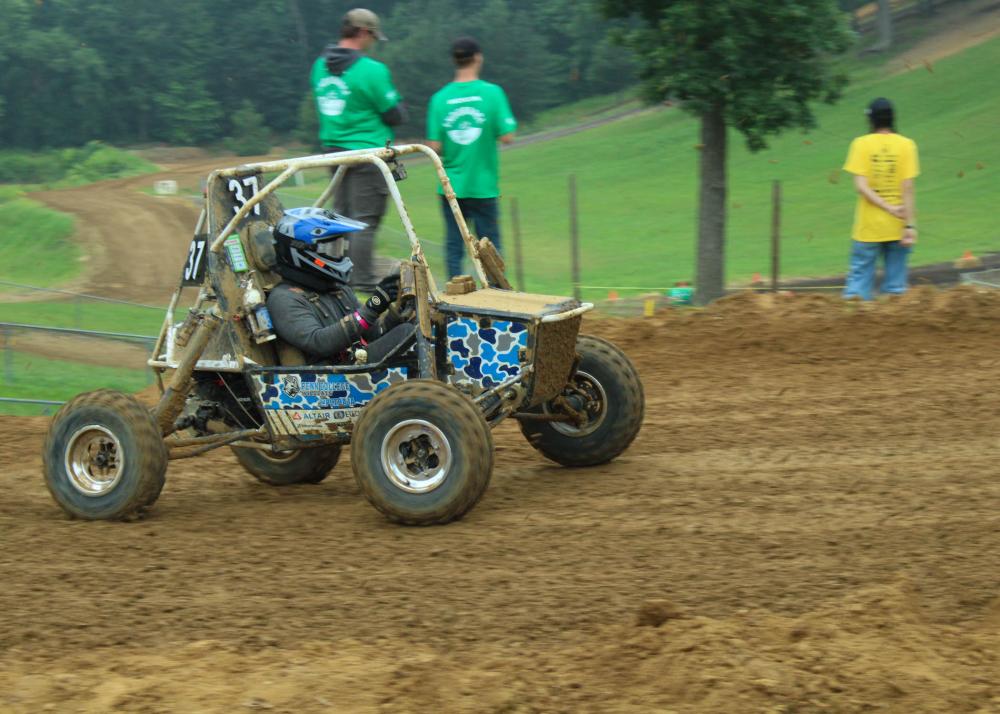
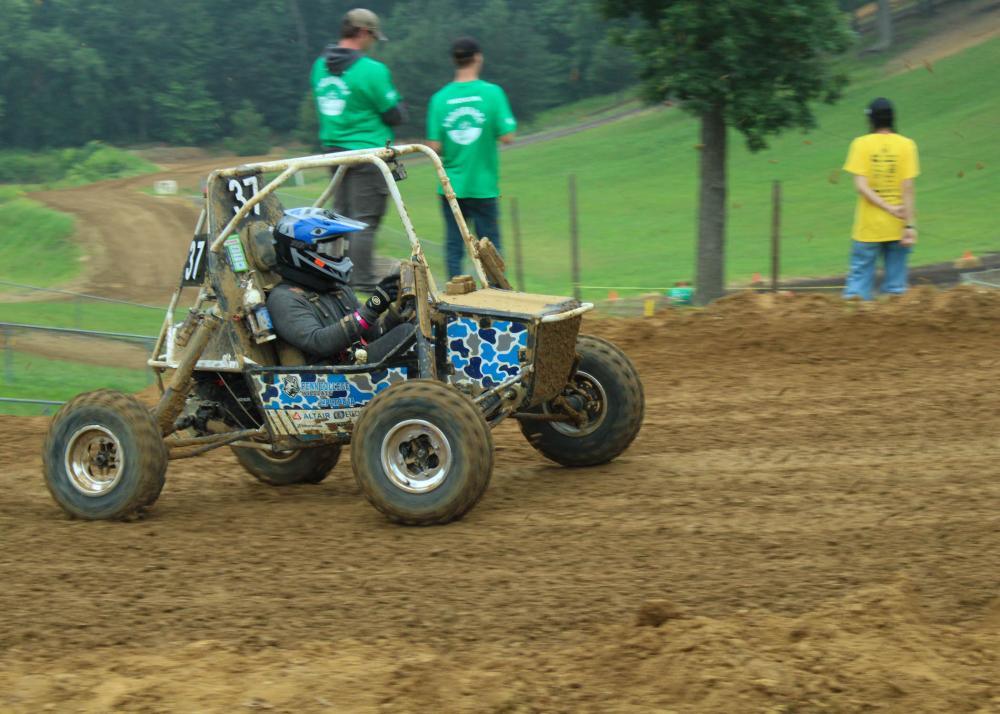
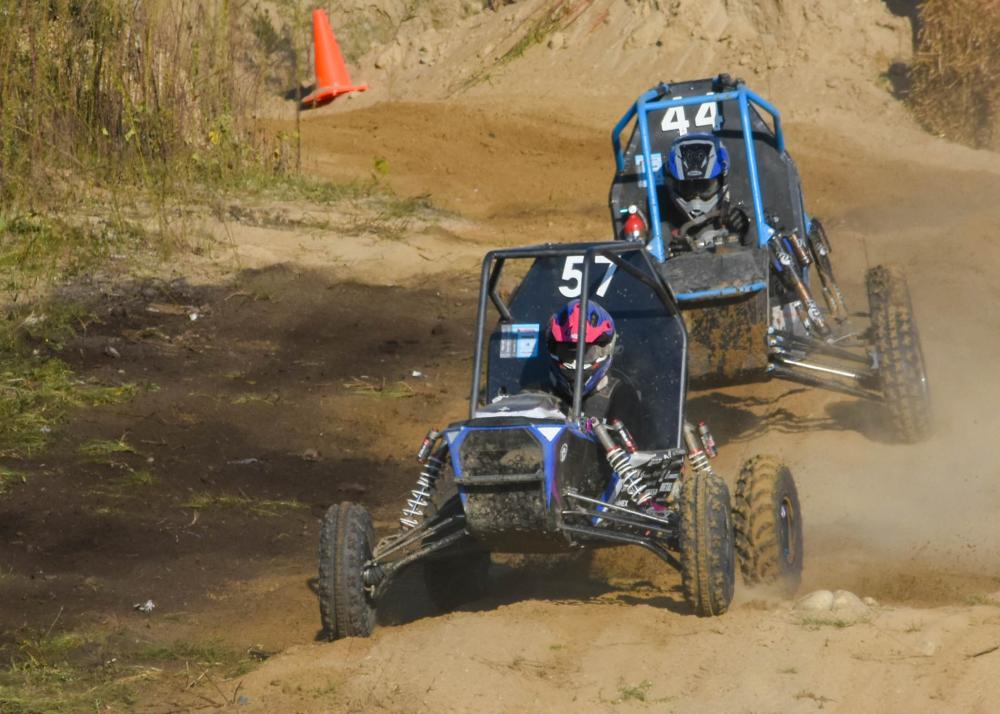
Endurance: The ultimate test of the car’s durability and performance. The 1.1-mile track consists of hills, gullies, tight turns and numerous obstacles. The winner is determined by the number of laps completed in four hours. At Baja SAE Williamsport, 46 of the 89 teams that began the endurance race failed to complete at least 20 laps. Penn College registered 51 laps in finishing fourth.









Share your comments
Penn College Magazine welcomes comments that are on topic and civil. Read our full disclaimer.
We love hearing from you