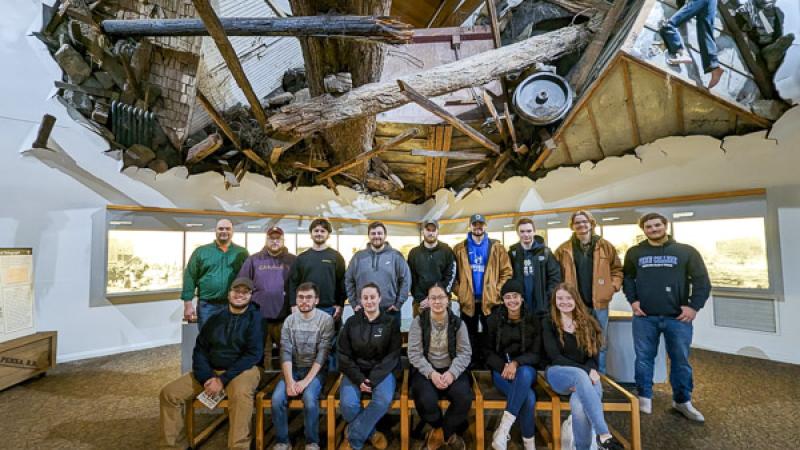
“Learning about disasters allows our students to better prepare for the hazards that they will be required to deal with in the field,” said William A. Schlosser, instructor of emergency management and homeland security, who accompanied the students on the trip. “Actually going to the site of the deadliest flood in U.S. history brings a whole new appreciation and understanding of why the disaster occurred.”
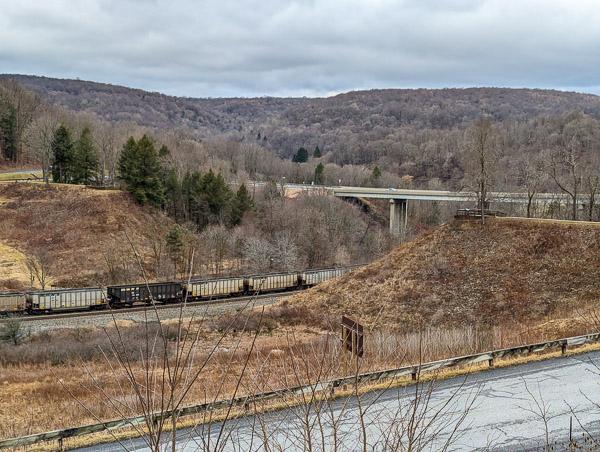
The Penn College contingent visited the Johnstown Flood National Memorial, the Johnstown Flood Museum and additional sites.
“They were able to walk out on the dam that caused the 1889 flood and see firsthand the issues that caused the deaths of over 2,200 people and the destruction of several towns,” Schlosser explained. “We also toured an original ‘Oklahoma House’ that was used for emergency housing for survivors following the flood in 1889.”
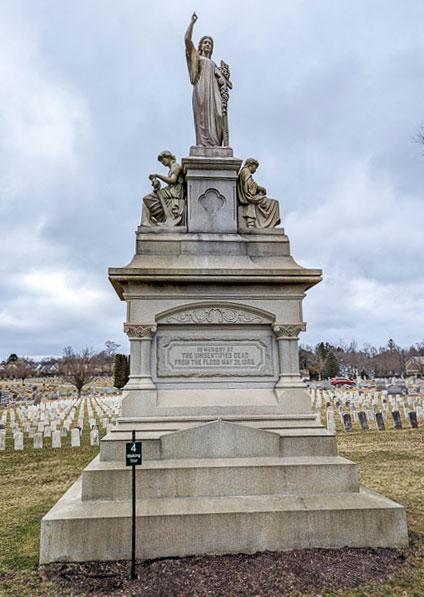
Students were able to talk with direct descendants of the disaster and stopped at the Unknown Plot area in Johnstown’s Grandview Cemetery to pay respects to the 777 victims who were never identified.
“Going to Johnstown was an amazing experience. I was able to see firsthand where the flood happened and where so many people lost their lives and were impacted because of a dam failure,” said Sierra M. Kunig, an emergency management & homeland security student from Pennsylvania Furnace. “As an emergency manager, I was able to see the flaws because of the dam and why it occurred. My favorite thing during our field trip was touring the Johnstown National Flood Memorial, then walking around the area where the flood occurred. We have read about the flood and how far the water traveled, but it’s different reading about it than actually seeing it.”