by Gerald L. Hoy, ’02, forest technology
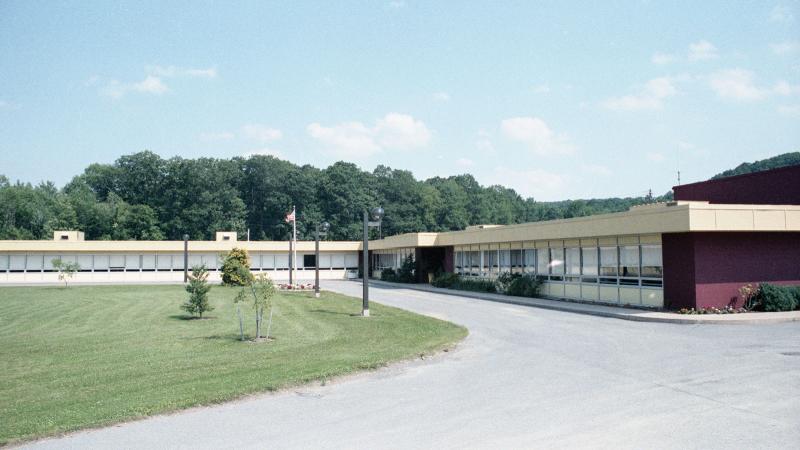
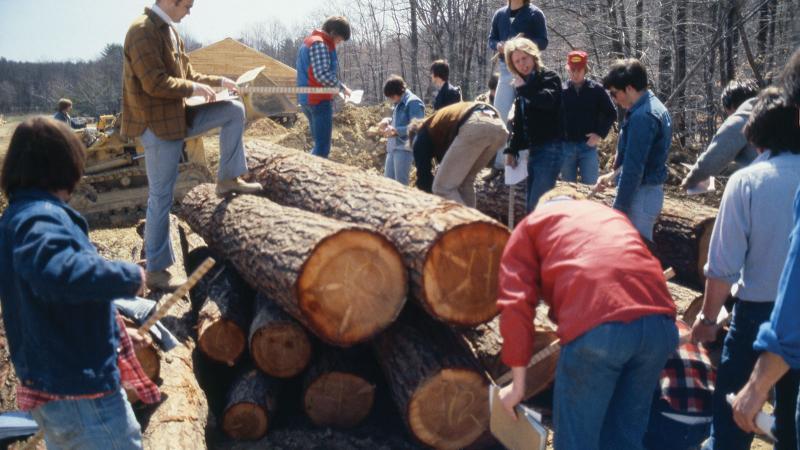
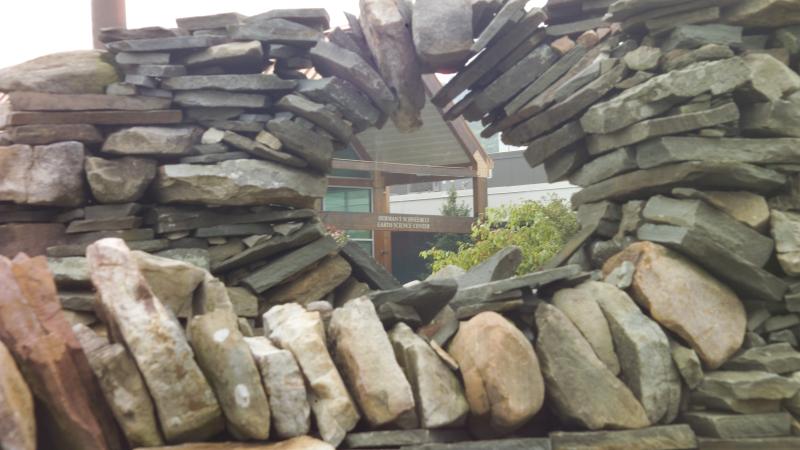
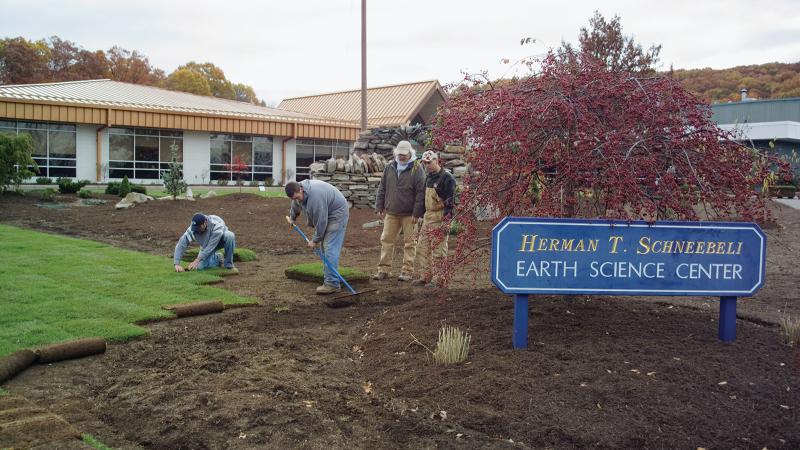
August 2001 was the start of my second year at Penn College. I was one of approximately 25 second-year forest technology students. I remember it was exciting to be back at the Earth Science Center. It promised to be a great year because much of the anxiety about college had subsided. We now knew our way around; we knew our instructors and what was expected of us. We were getting reacquainted with friends from our first year and really starting to grasp forest management concepts. Our second-year class consisted of mostly 19- or 20-year-old students, along with a few older and more experienced classmates. I was one of the young ones, at 19 years old.
Tuesday, Sept. 11, started off with my usual car pool from my Williamsport apartment to the Earth Science Center. Like most days, Nick Nebzydoski and I rode together. Among the carpoolers in the class, Nick and I were probably the most consistent companions.
As usual, we arrived early enough to hang out in the cafeteria for a few minutes before our 9 a.m. class with Dr. (Dennis) Ringling. As we entered the cafeteria area, we could immediately tell there was something different. A small group of 10 to 15 people were gathered around the TV on the cafeteria wall. We asked friends what was going on. They told us that an airplane had just crashed into the World Trade Center.
I’m somewhat ashamed to say that at the time, I didn’t know where the World Trade Center was. I didn’t even know what country it was in. I assume I wasn’t the only one who didn’t know. By attentively watching the news for the next 10 minutes, I quickly learned where it was and the magnitude of what had happened.
Our original group of 15 Earth Science Center students quickly grew to over 30. It became a mixed group of students, food service workers, custodial staff and several seasoned instructors on the brink of retirement.
Then the unthinkable happened: On live television, a second airplane crashed into the (World Trade Center’s) south tower. The reality of the situation was more apparent: The United States of America was under attack. I remember hearing some yelling, crying and cursing as we all tried to process what we had just witnessed.
The normally jovial forestry instructors were clearly shaken as they instructed the forestry students to report to a specific classroom. Even with all the wisdom most of us thought we had gathered in the first 19 years of our lives, we were confused and uncertain about what this meant. As we glued our eyes on him in disbelief, the first to address us was Dr. Ringling. The normally calm, cool and collected forestry lead instructor had more emotion and urgency in his voice than I’d heard before.
He said, “From this point forward, America has changed; our lives have changed.”
He went on to explain what the news was reporting and encouraged us to remain rational and wait for the facts. He also told us to call home to check on our loved ones. We spent the rest of class talking about what these attacks meant to the United States, what we could do to help, and what the future may bring.
After we were released from the classroom, a few of us went outside to talk. We were approached by a few students from another program. They were recruiting people to go to ground zero to help. Like them, I was feeling helpless and was fueled by emotions. At the time, this seemed like a logical thing to do. Our country had been attacked, and we were young, strong and able. With Dr. Ringling’s admonition to not do anything irrational and to wait on the facts fresh in my mind, I fought back emotions and made the rational decision to decline their offer.
I’m not sure what happened to those students. Did they drive halfway there and decide to go home? Did they make it to ground zero? Because they weren’t forest technology students and we didn’t see them the rest of the semester, I will probably never know.
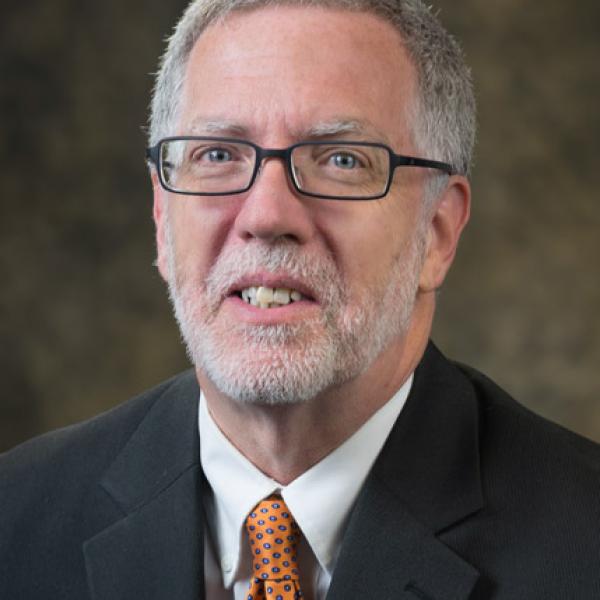
About the author: Since graduating from Penn College’s forest technology program in 2002, Gerald Hoy has enjoyed a career in arboriculture, forest management and forest policy. He spent three years working for a small arboriculture company in State College and has spent the past 16 years working in a variety of positions with the Department of Conservation and Natural Resources, Bureau of Forestry. He has worked in the Bald Eagle, Loyalsock and William Penn forest districts. His current position is forest resource planner with the bureau. He and his wife, Melissa, also a Penn College graduate, live in Port Matilda with their four children: Lillian, Scarlet, Hazel and Porter. Hoy also serves on Penn College’s Forest Technology Advisory Committee and is an active advocate for Penn College within the forestry profession.