What do you love most about your internship?
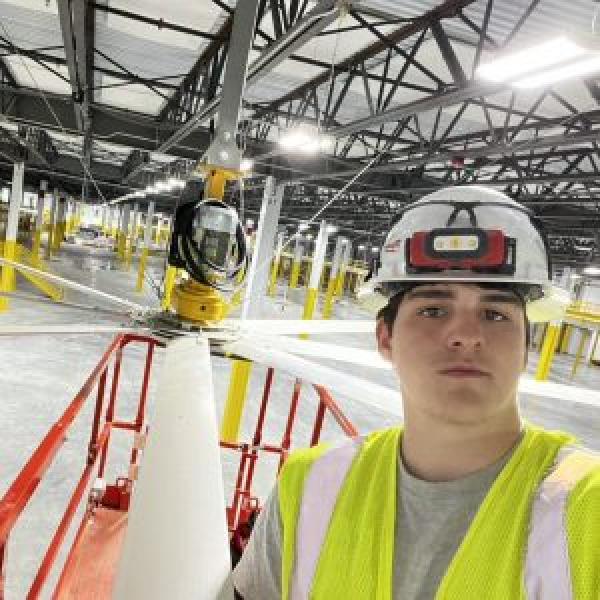
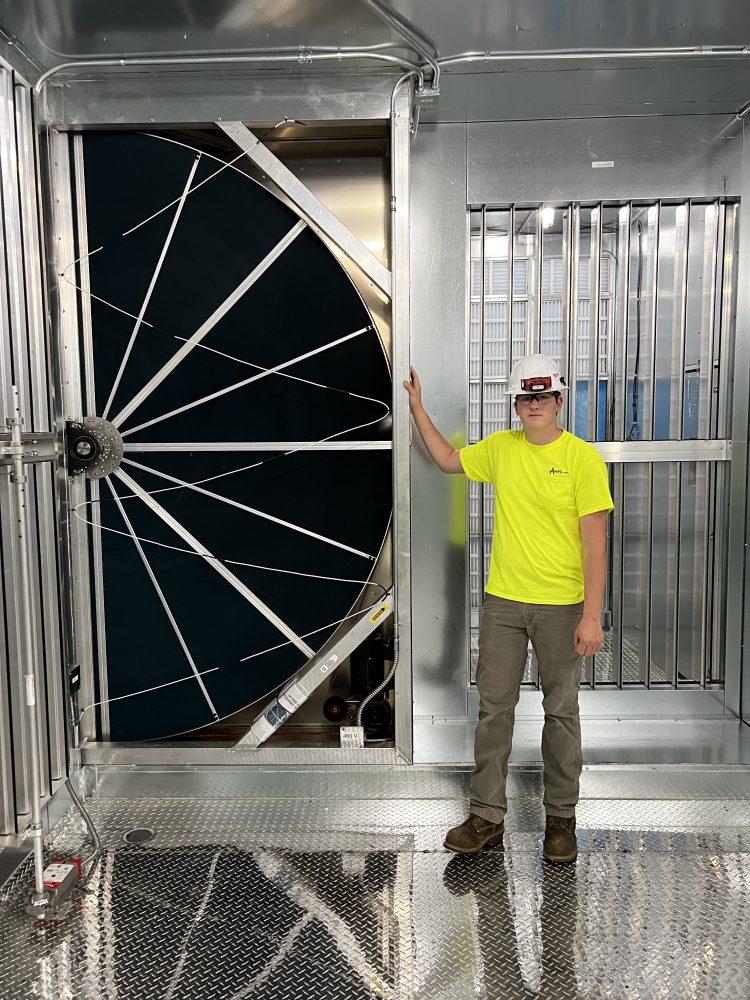
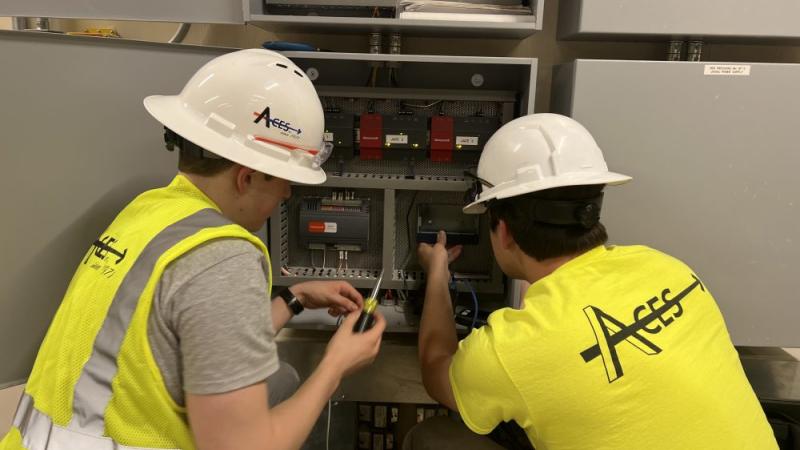
What I love most about this summer’s internship is using what I have learned at Penn College and applying it in the field. I’m able to take what I have learned in the classroom and labs and make a connection at the job site and learn more while working. The people at ACES have been amazing; they have helped grow my experience with Honeywell and Alerton products and make me love what I’m doing even more.
How has Penn College prepared you for your internship?
Penn College has allowed me to easily guide myself to find my own career path. While working toward my associate degree in electric power generation technology, I found my liking and skill in electrical work, especially in controls and communications. I then learned about the bachelor’s degree in building automation engineering technology, and have not once doubted my decision to do this dual degree. Every step along the way, Penn College has prepared me for my past internships and especially this one. The classrooms and labs, the technology, equipment, and the personal relationships with professors could not have prepared me better for this internship. I can say I feel confident working alongside my co-workers, asking questions and understanding the work being done, as well as being able to contribute to the efforts. Once I graduate, I will be able to seamlessly step into this career.
When did you first fall in love with your field?
Once I got through my general education courses and started my major classes and got into the labs, I was able to really dig deep and find my liking for this field. I find myself always learning, working hard and keeping busy with side projects of my own and from professors.
What is the biggest lesson you have learned at your internship?
The biggest lesson that I have learned during this internship is that we are just one small part of the job; it takes a team of people and contractors to work together to accomplish the result. That has taught me relationships with co-workers, general contractors on the job site, and even customers are often more important than the work itself. It allows for easier communication of goals and allows the job to move along with less friction. Problems or opportunities that arise can easily be identified and addressed.