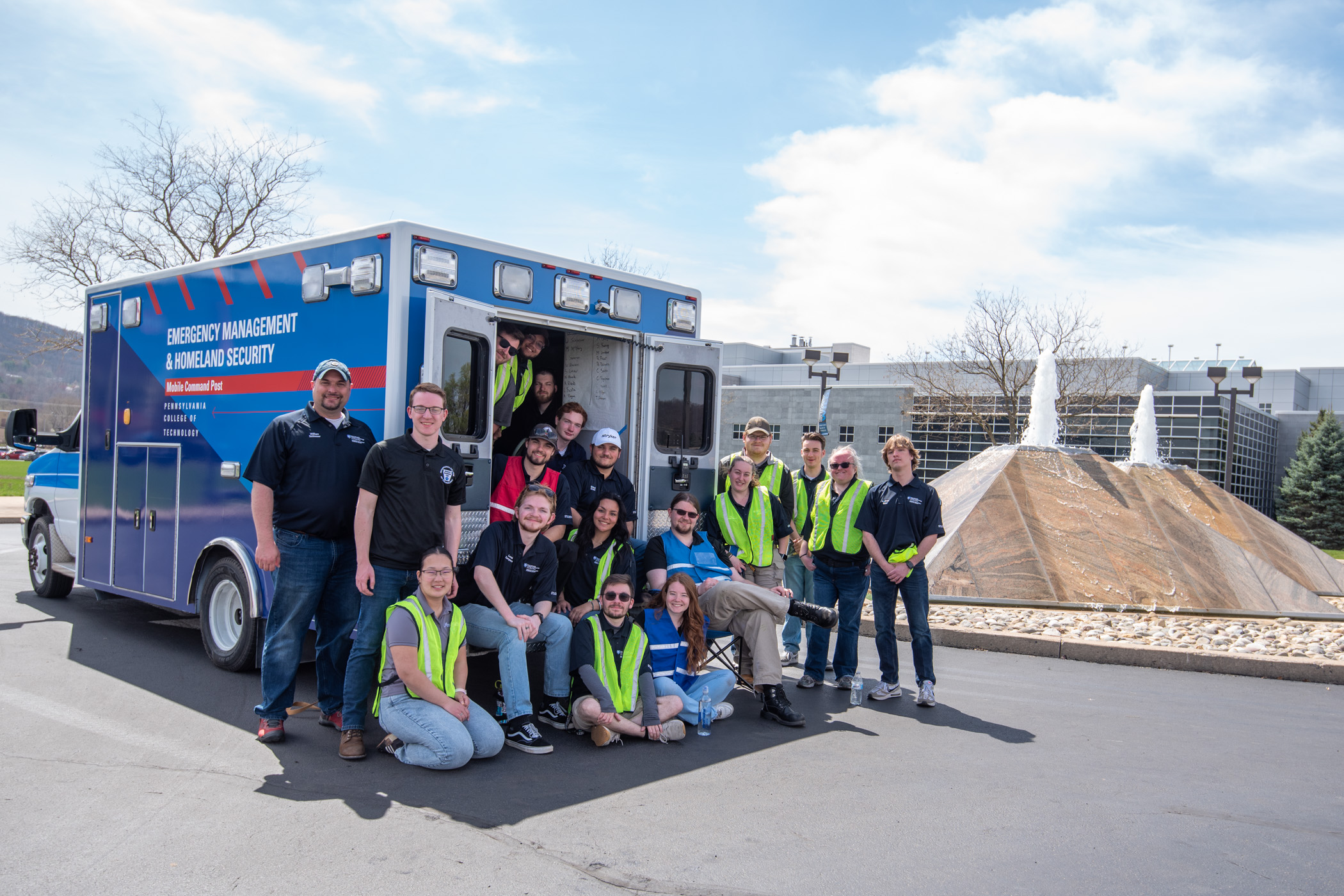
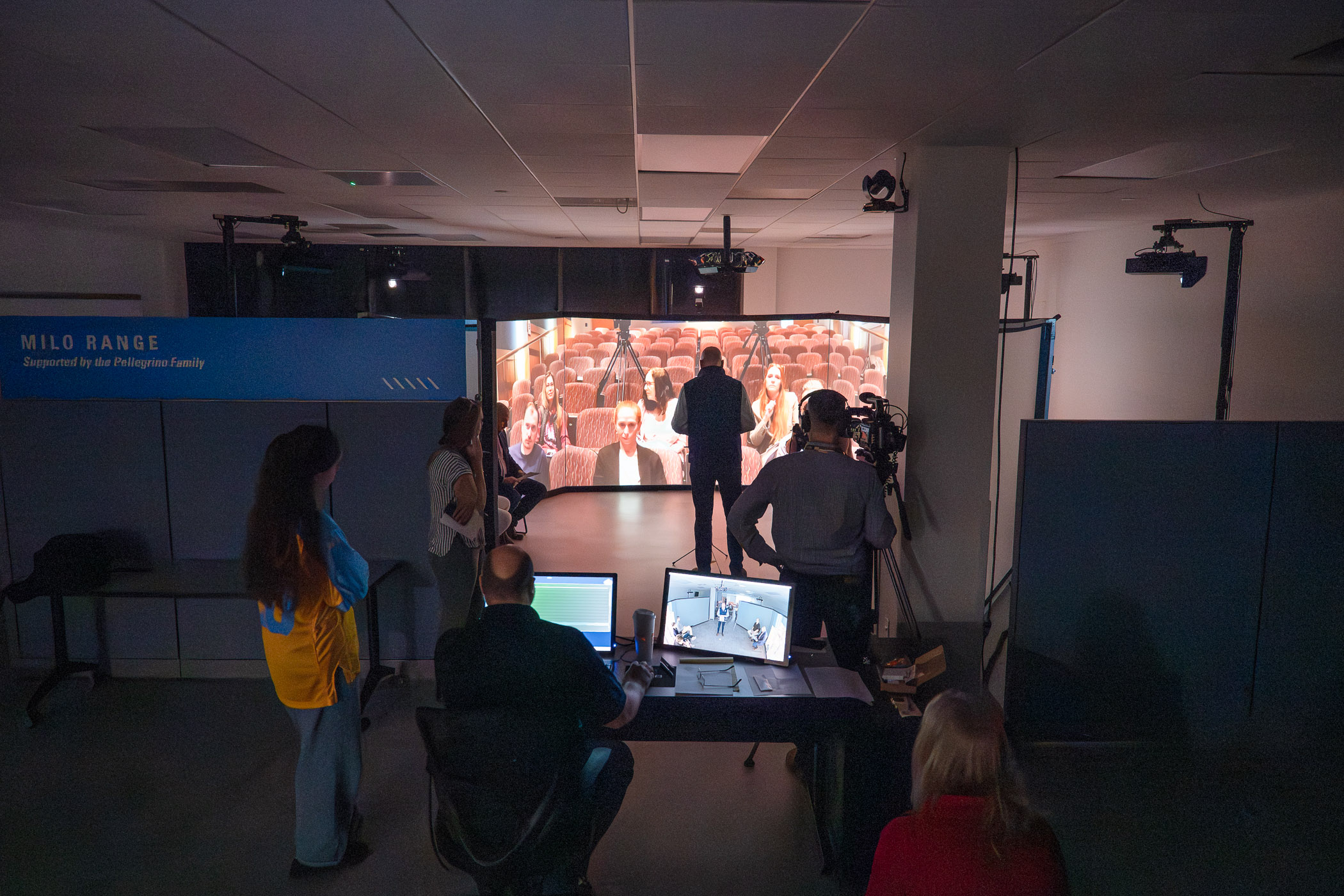
Pennsylvania College of Technology students are gaining hands-on experience responding to mock emergencies and high-stress situations through a new training simulator that also is providing unique learning opportunities for community members and elected officials.
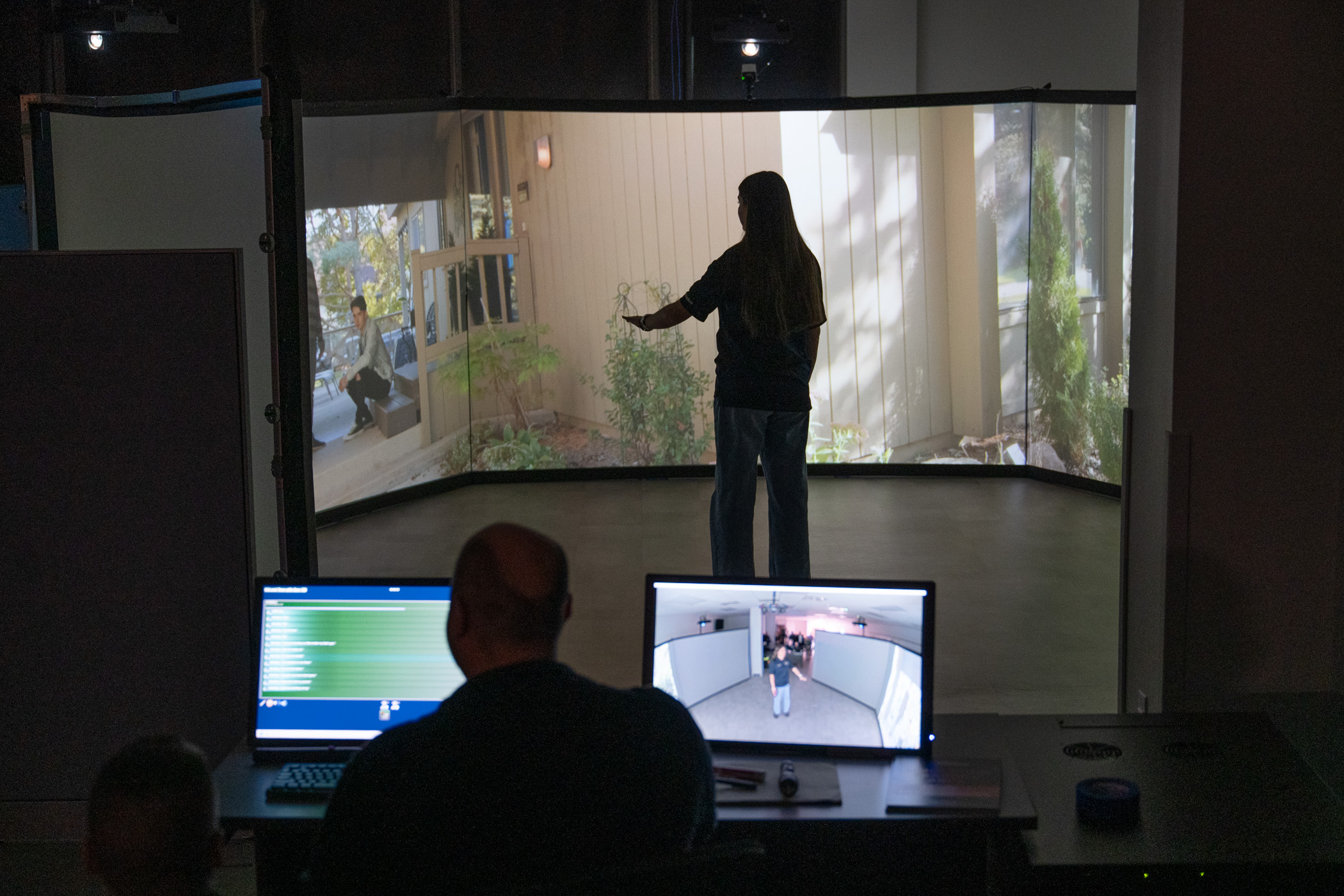
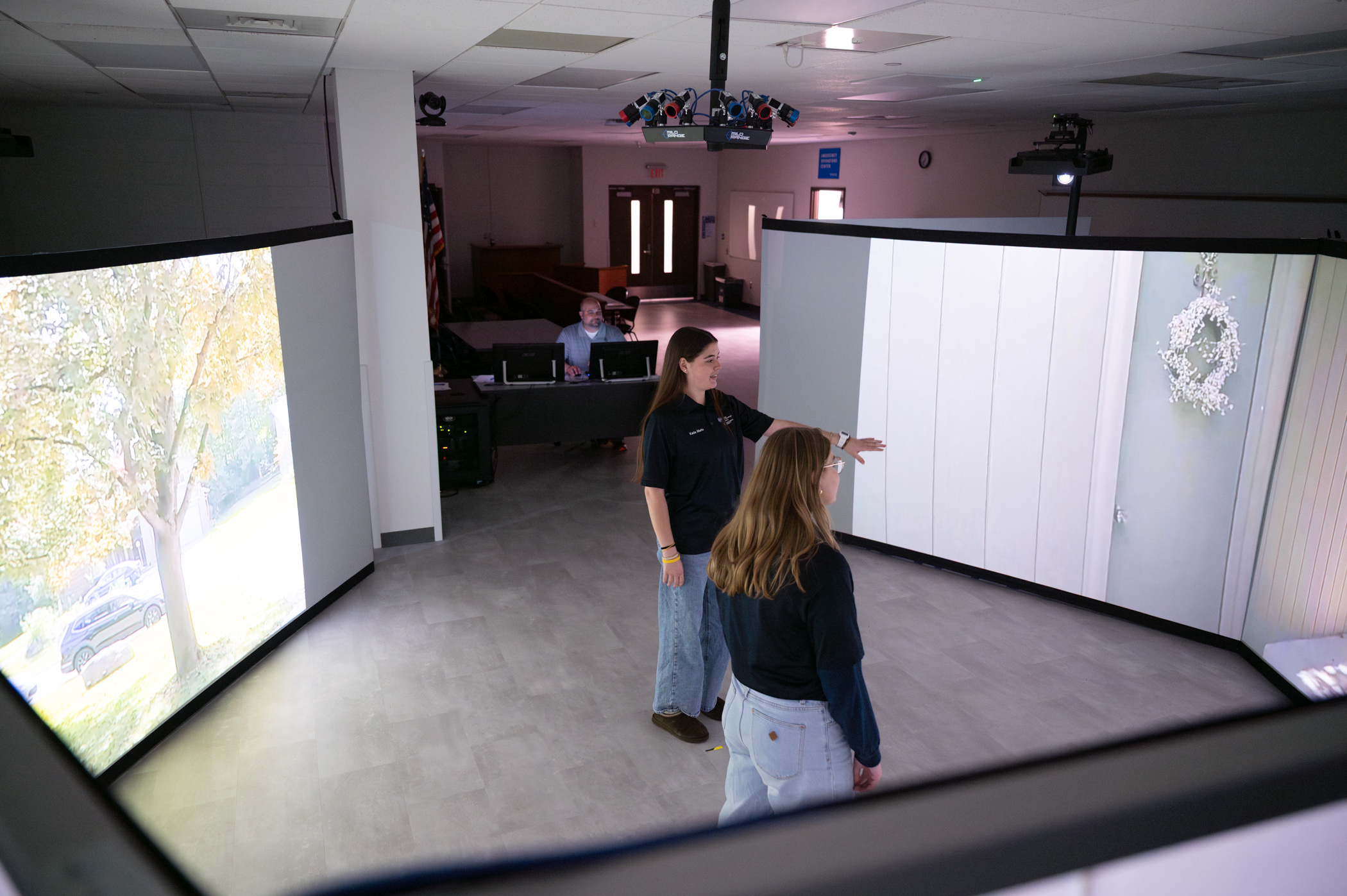
The Multiple Interactive Learning Objectives Range is the only 300-degree simulator at a Pennsylvania college and one of just three such training systems in the state. The other two are in use at the Pennsylvania Safe Schools Institute and the Allentown Police Department.
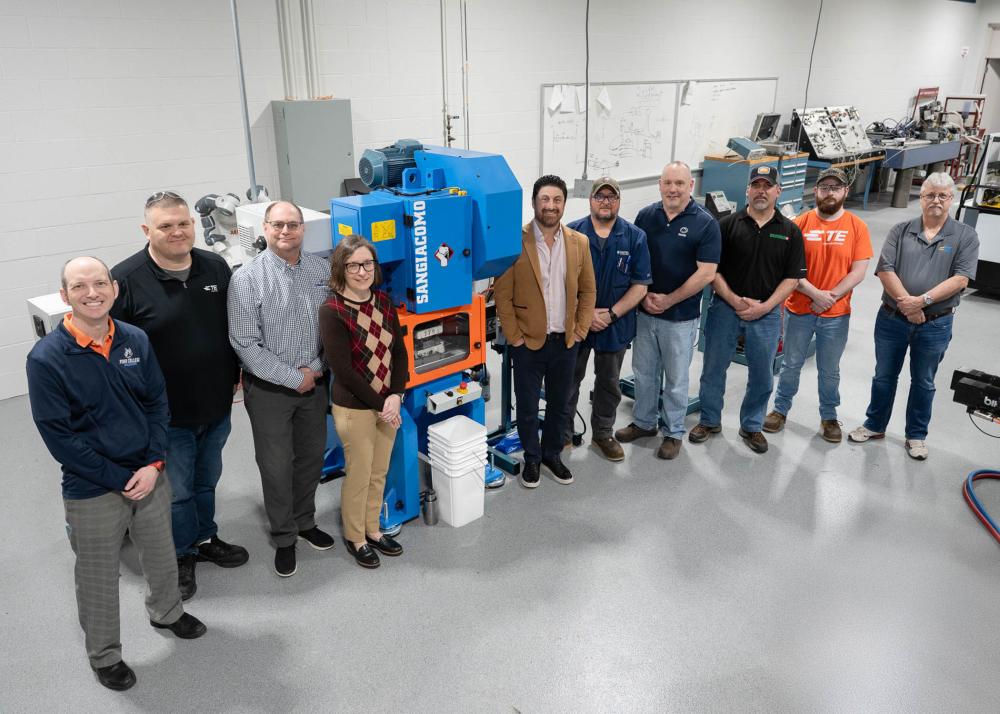
The purchase of the simulator system was supported by the Pellegrino family.
“When Will (Schlosser, assistant professor of emergency management and homeland security) explained the MILO software and the power of such a unique and complex system, I knew immediately that I wanted to be a part of this to help the college, but, more importantly, the students and the future of our country,” said Frank G. Pellegrino, a Williamsport-area business leader and philanthropist.
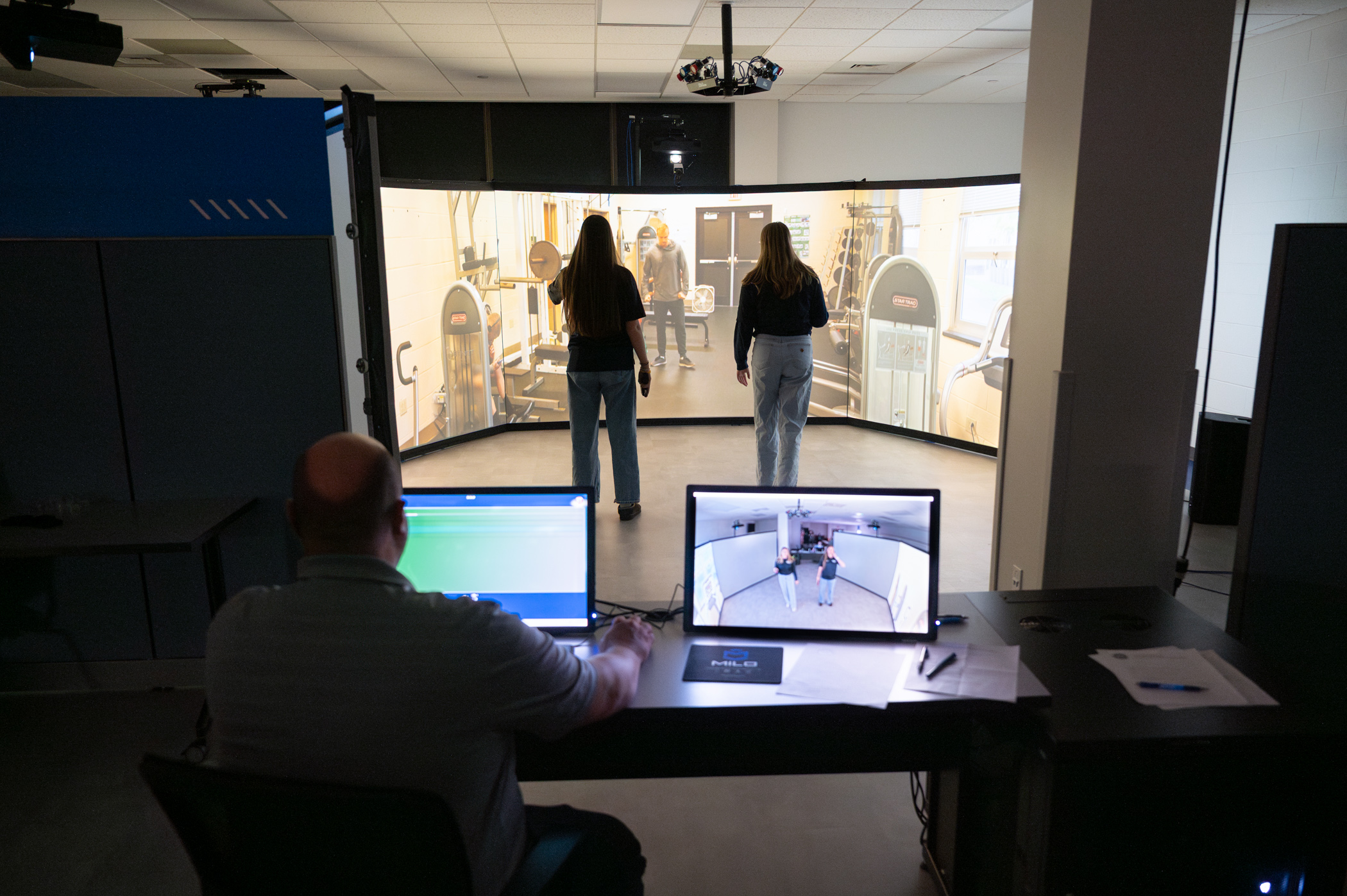
The simulator uses full-surround video to create a variety of scenarios, ranging from active shooter situations and de-escalation efforts to press conferences and target shooting with prop guns.
Housed on the second floor of the Hager Lifelong Education Center, the simulator is being used by emergency management & homeland security students to build confidence in decision making, enhance their de-escalation skills, recognize agitated behavior and assess disaster impact areas.
“The MILO system has been extremely impactful in the few short months that we have had it,” Schlosser said. “The tool was immediately impactful to every student in our program through exercises in most of our courses.”
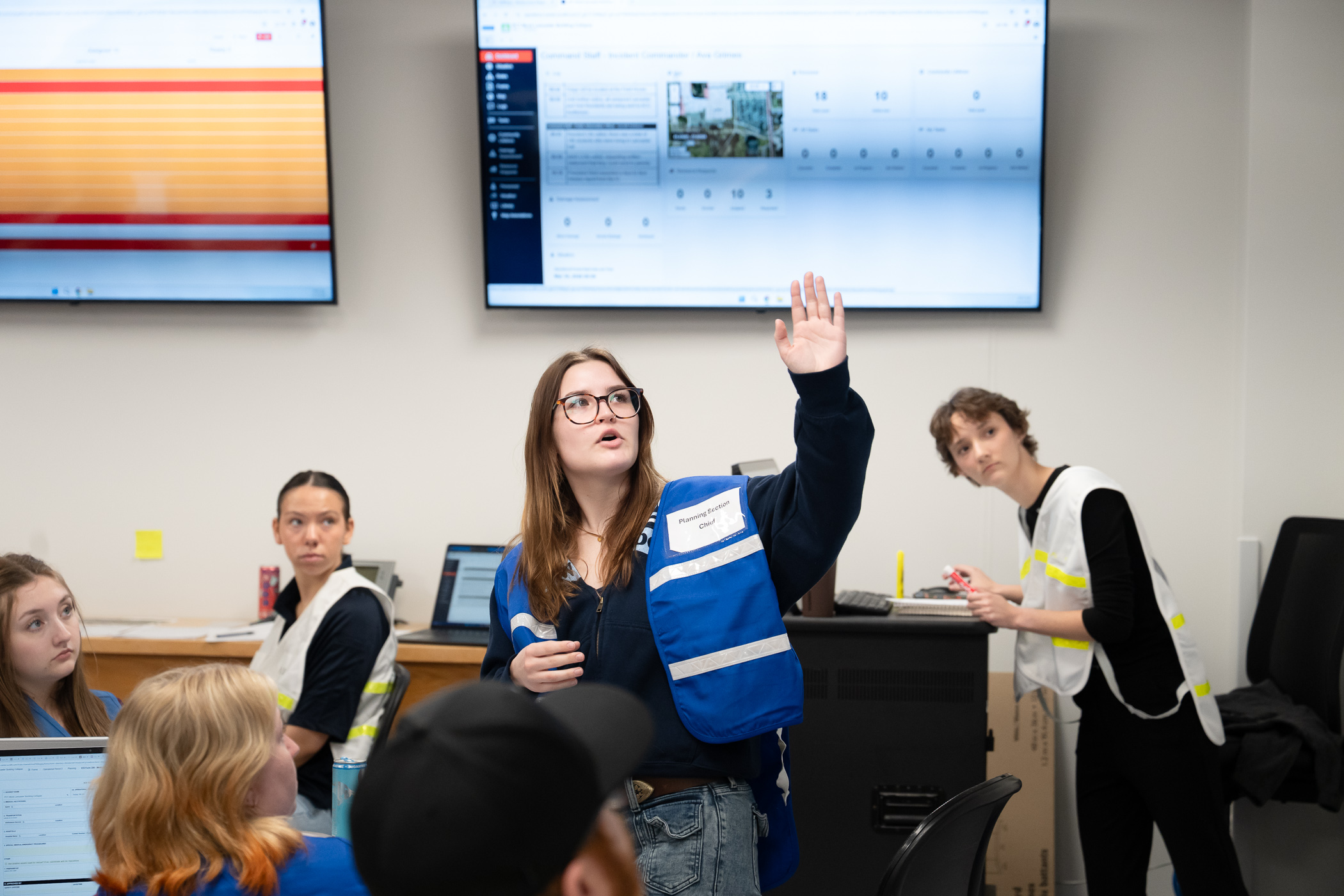
Students in the program go on to careers as emergency management coordinators and specialists, emergency planners, public health and healthcare preparedness workers, and private sector consultants. The curriculum addresses topics like incident command system operations, crisis communication, geospatial information systems, bioterrorism and disaster recovery.
The program also provides students with opportunities to put their training into practice by organizing major events throughout the four-year program.
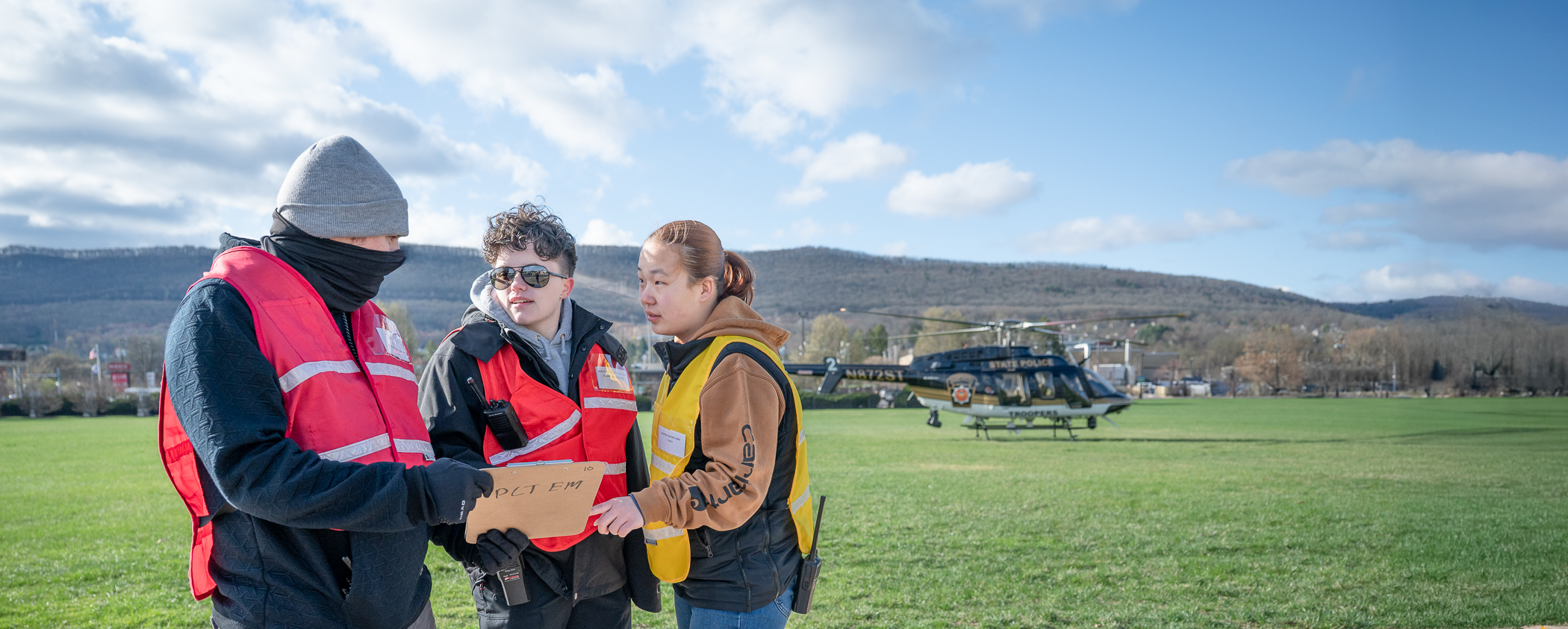
This year, nearly 400 K-12 students visited campus for the college’s fourth Rotorfest, an event that gives students the opportunity to interact with emergency response professionals and tour vehicles used during crisis situations. Those included the Pennsylvania Army National Guard’s Black Hawk helicopter, local ambulances and fire trucks, and Geisinger’s Life Flight No. 4.