Michael Cruz

  • Alumni
  • Heating, Ventilation & Air Conditioning

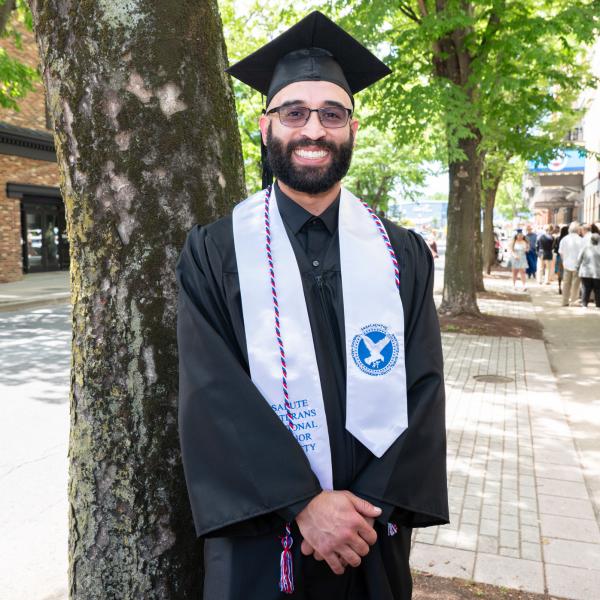
Tackling college in your 30s isn’t always easy, but Michael made it look that way. He served in the Marine Corps, which helped shape his approach to leadership and ability to perform under pressure—skills he put to use during this time at Penn College. And despite commuting from over an hour away, Michael made the most his college experience by working in the veterans center, joining the Student Veterans Organization, earning several HVAC certifications, and making the dean’s list each semester. All of this hard work paid off. Today he’s working in his field with NRG Controls where he helps design HVAC and building automation systems. 

TAKING THE LEAD: Q&A with Michael

WHAT BRANCH DID YOU SERVE IN, YEARS SERVED, AND IN WHAT ROLE?

I served in the United States Marine Corps for eight years as an Infantry Marine (MOS 0311). I began my career as a rifleman, later served as a SAW gunner, and eventually worked my way into a team leader position. My time in the Marines helped shape my leadership, discipline, teamwork, and ability to perform under pressure.

WHAT MADE YOU DECIDE TO GO TO COLLEGE AFTER YOUR MILITARY SERVICE?

After my military service, I decided to go to college because I have always believed there is room for growth and self-improvement. I wanted to continue challenging myself, build new skills, and create opportunities for my future. I believe growth takes time, sacrifice, and commitment, and I was willing to put in the effort to continue bettering myself both personally and professionally.

WHAT DID YOU STUDY, AND WHY DID YOU CHOOSE THAT MAJOR?

I majored in HVAC because I have always enjoyed working in the trades and wanted to pursue a career that is both hands-on and technically challenging. HVAC stood out to me because it combines multiple skill sets into one profession. In addition to heating, cooling, and refrigeration systems, the field also requires knowledge of electrical and plumbing systems, which makes it feel like learning three trades in one. I appreciated the variety, problem-solving, and opportunities for continued growth within the industry.

WHAT WAS ONE CHALLENGE YOU FACED AS A STUDENT VETERAN, AND HOW DID YOU WORK THROUGH IT?

One of the biggest challenges I faced as a student veteran was being hard on myself and not always taking the time to appreciate my accomplishments along the way. I held myself to high standards and stayed focused on the end goal, which sometimes made it difficult to recognize how much progress I had already made.

Another challenge was commuting to campus from Mechanicsburg, Pennsylvania. After transferring from Harrisburg Area Community College (HACC) to Pennsylvania College of Technology, I made a roughly hour-and-a-half commute each way for three years while balancing school responsibilities.

There were definitely moments when I felt like quitting, but my drive to succeed kept me committed. I was fortunate to have mentors along the way who offered advice, encouragement, and perspective, which played a major role in helping me stay focused and push through difficult times.

WERE THERE ANY PEOPLE, PROGRAMS, OR RESOURCES THAT HELPED YOU ALONG THE WAY?

I was fortunate to have a strong support system throughout my educational journey. The Marty Veterans Center was an important resource, and individuals such as Katie Burke, Chet Beaver, and Tanya Berfield provided guidance, encouragement, and support along the way. I was also grateful for the camaraderie and encouragement of fellow veteran students, including Nick Bova and Cadence Copson, as well as professors Hampton, Kisbaugh, and Welker, whose mentorship and support made a meaningful impact during my time as a student at Penn College.

My classmates, including Alan Stanaback and Steven Reigner, Tutoring Services, family, and friends also played an important role in helping me stay motivated and successful. Financial support through the Post‑9/11 GI Bill, financial aid, grants, scholarships from Johnson Controls, and a veteran donor grant also helped make my education possible and eased some of the financial burden along the way.

I am extremely grateful for the people, programs, and opportunities that supported me throughout this process because I truly could not have done it alone.

WERE YOU INVOLVED IN ANY ORGANIZATIONS AS A STUDENT?

During my time as a student, I was actively involved with the Student Veterans Organization, first serving as treasurer and later as president. I also worked as a work-study student in the Marty Veterans Center, which gave me the opportunity to support fellow veterans and stay engaged within the campus community.

Academically and professionally, I earned several HVAC-related certifications throughout the program that are required to work in specialized areas of the field. For most of my time as a student, I maintained dean’s list recognition, which reflected the effort and commitment I put into my education.

One of the things I enjoyed most was helping others succeed. I regularly helped tutor classmates in courses I had taken and enjoyed supporting fellow veterans on campus whenever I could. Being able to help others while working toward my own goals was one of the most rewarding parts of my college experience.Penn College Dual Enrollment allows you to take college-level coursework and earn credits towards 100+ hands-on degrees.

WHERE HAS YOUR PATH TAKEN YOU SINCE GRADUATION, AND WHAT ARE YOU DOING NOW?

Prior to graduation, I secured a position through the campus career fair with an HVAC company called NRG Controls. That opportunity allowed me to transition directly into the industry and begin applying what I learned in the classroom to real-world projects.

Today, I work in HVAC system design and controls, where I help design HVAC systems for buildings based on their design intent and implement building automation controls to manage equipment operation from setpoint locations. My role combines technical design, troubleshooting, and automation to help ensure systems operate efficiently and meet the needs of the building and its occupants.

WHAT ARE YOU MOST PROUD OF FROM YOUR TIME AS A STUDENT?

What I am most proud of is returning to school in my 30s and successfully earning my degree while building a future for myself. Walking away with a college education, a career opportunity, and a wealth of knowledge that I will carry with me for the rest of my life is something I take great pride in.

This experience challenged me both, mentally and physically while also reinforcing the value of hard work, sacrifice, and persistence. Looking back, I am proud that all the long commutes, difficult moments, and challenges along the way ultimately led to something meaningful.

WHAT ADVICE WOULD YOU GIVE TO OTHER VETERANS WHO ARE CONSIDERING ENROLLING AT PENN COLLEGE?

My advice would be to push yourself and never give up, even during moments when it feels like all hope is lost. The journey can be challenging, but growth often comes from overcoming difficult situations and learning how to get back up after setbacks. There is a great sense of accomplishment that comes from persevering and achieving your goals.

I would also encourage veterans to let go of their pride and not be afraid to ask for help along the way. No successful person reaches their goals entirely on their own. Whether it is mentors, professors, fellow students, family, or campus resources, having support can make a major difference in helping you stay focused and succeed.

Programs:

Heating, Ventilation & Air Conditioning

Learn how to design, install, and repair residential and commercial systems.

All Programs

Unsure which major is right for you? See all academic programs at-a-glance.