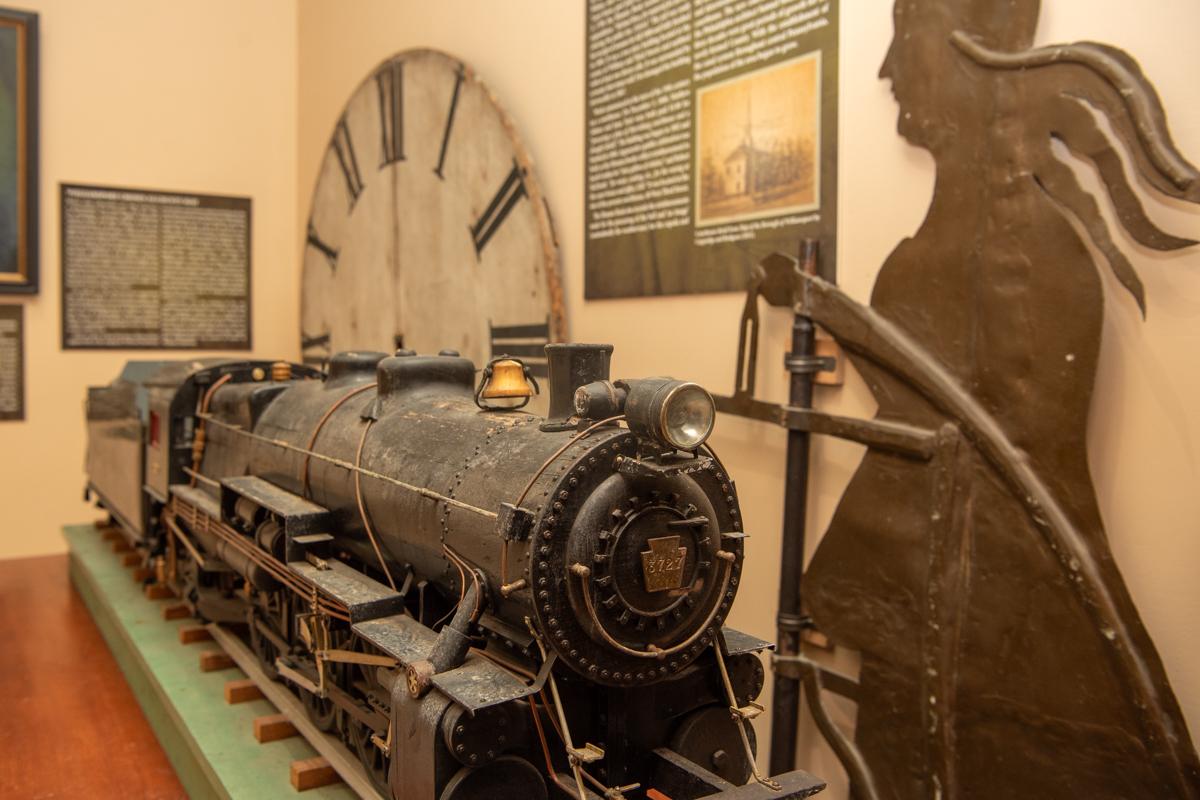
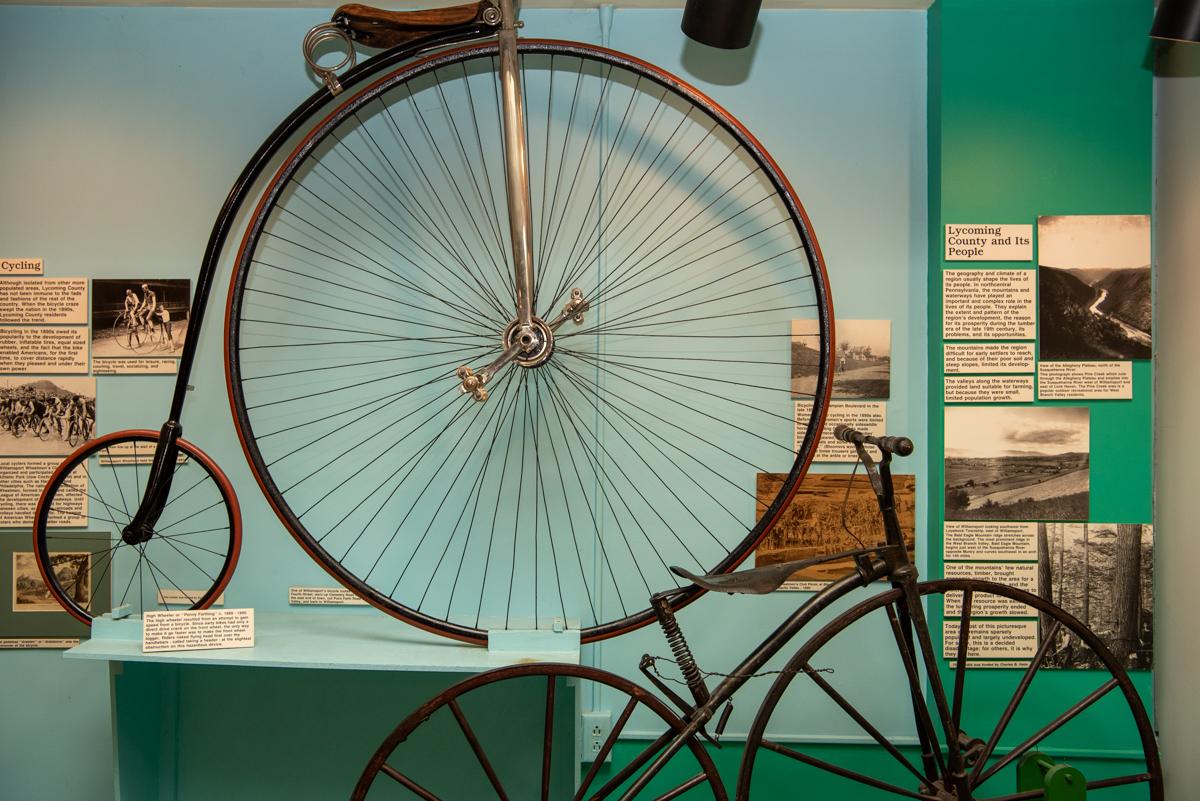
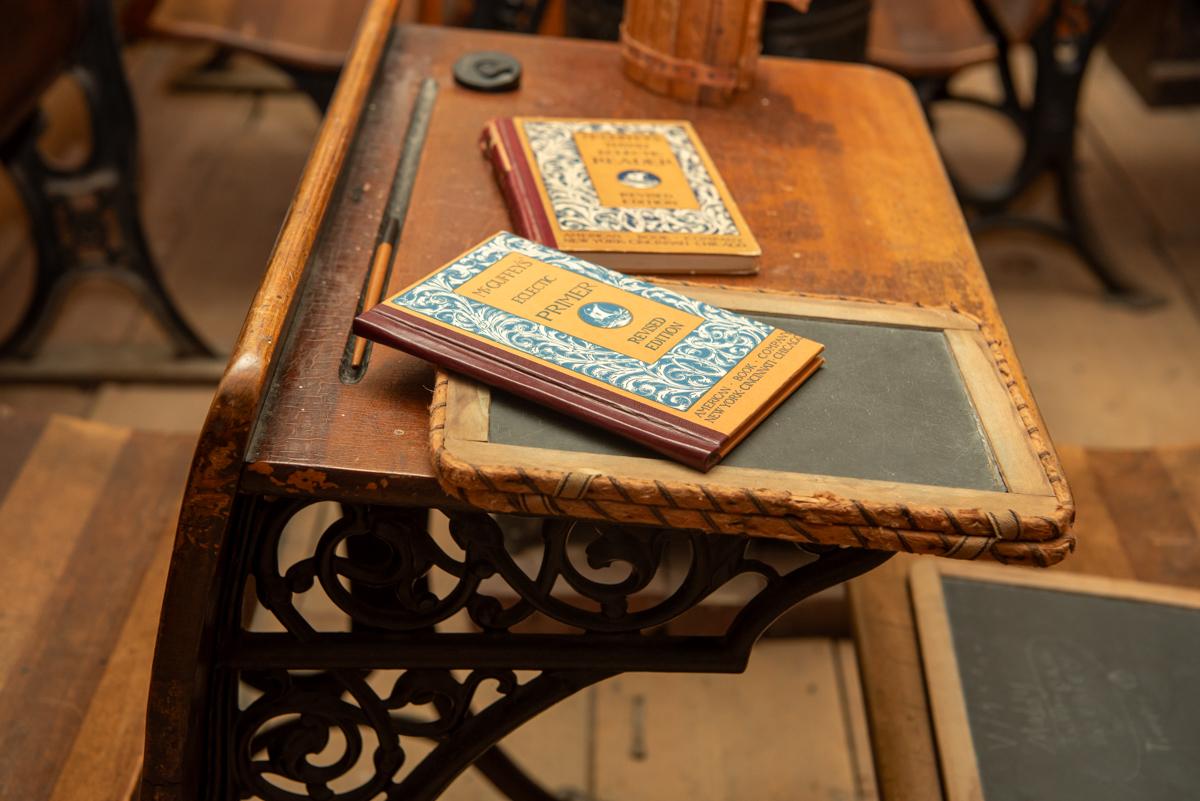
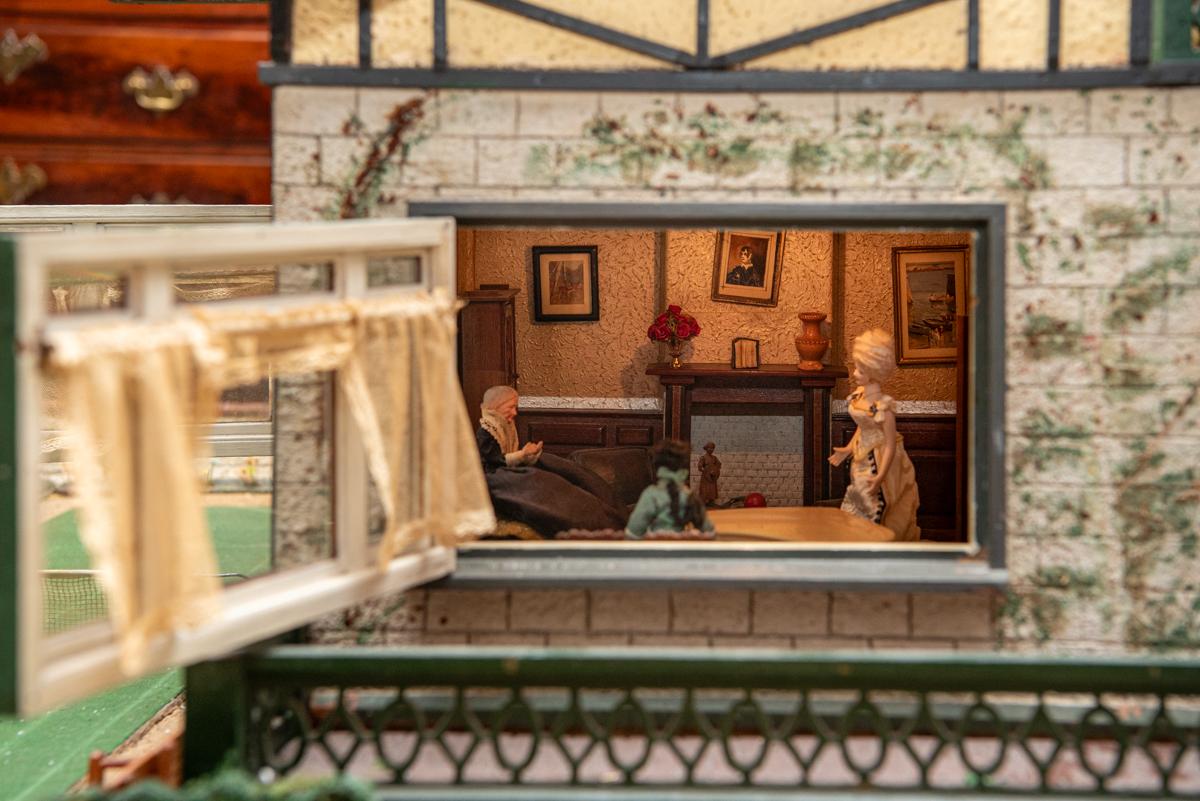
Blending history and modernity, a class of Pennsylvania College of Technology students has pitched in to assist a local historical museum in launching its new digital app that gives visitors an innovative way to engage with exhibits and essentially opens the museum doors for online exploration by anyone across the globe.
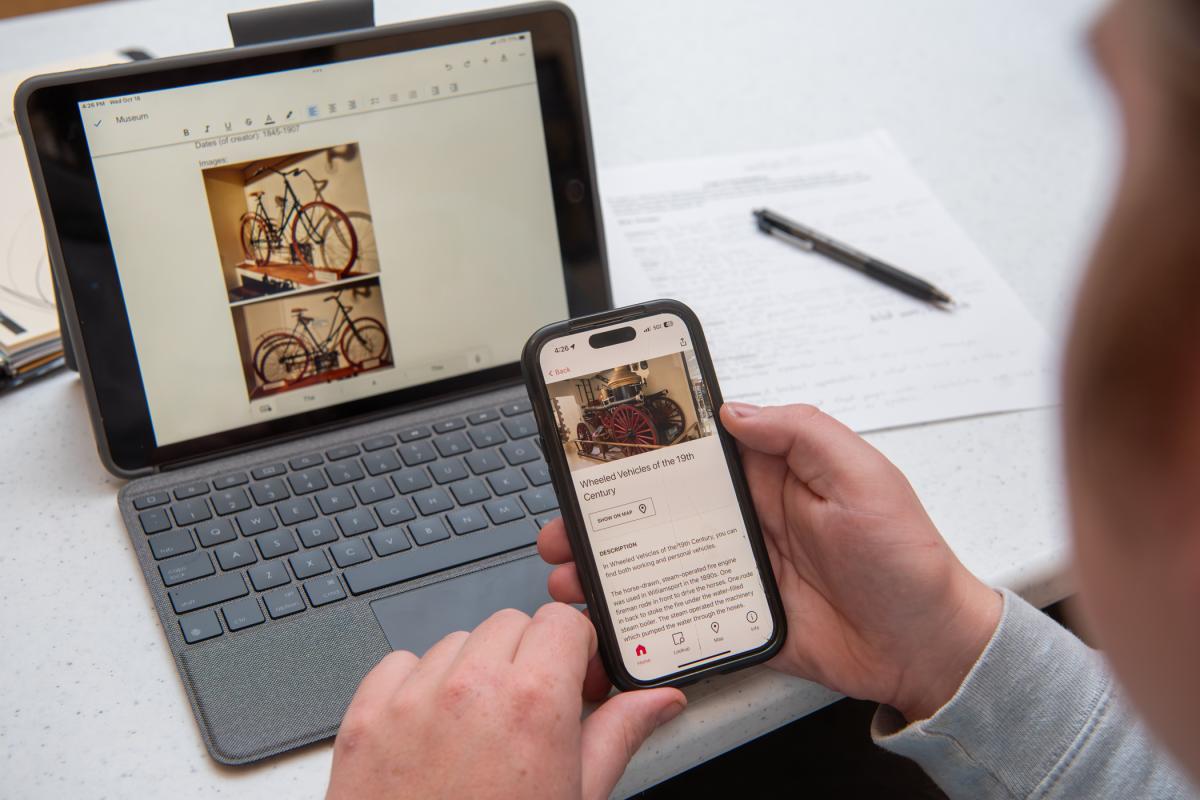
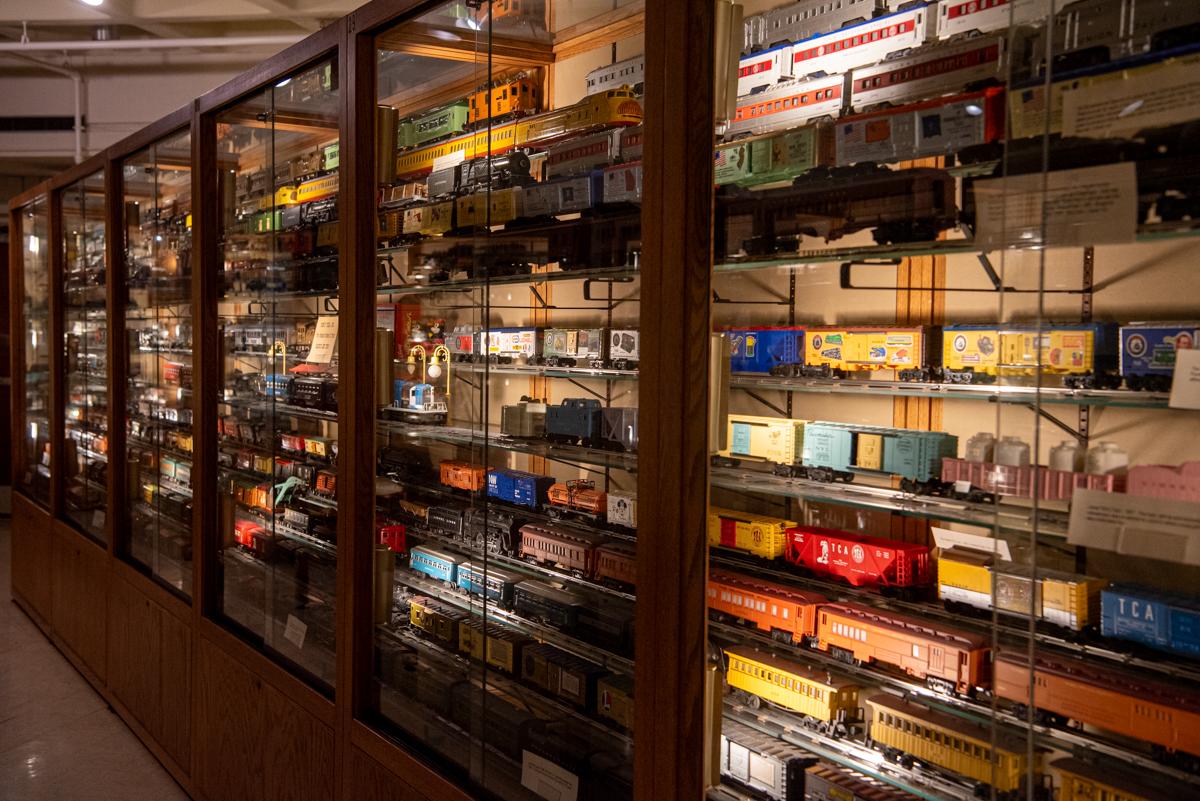
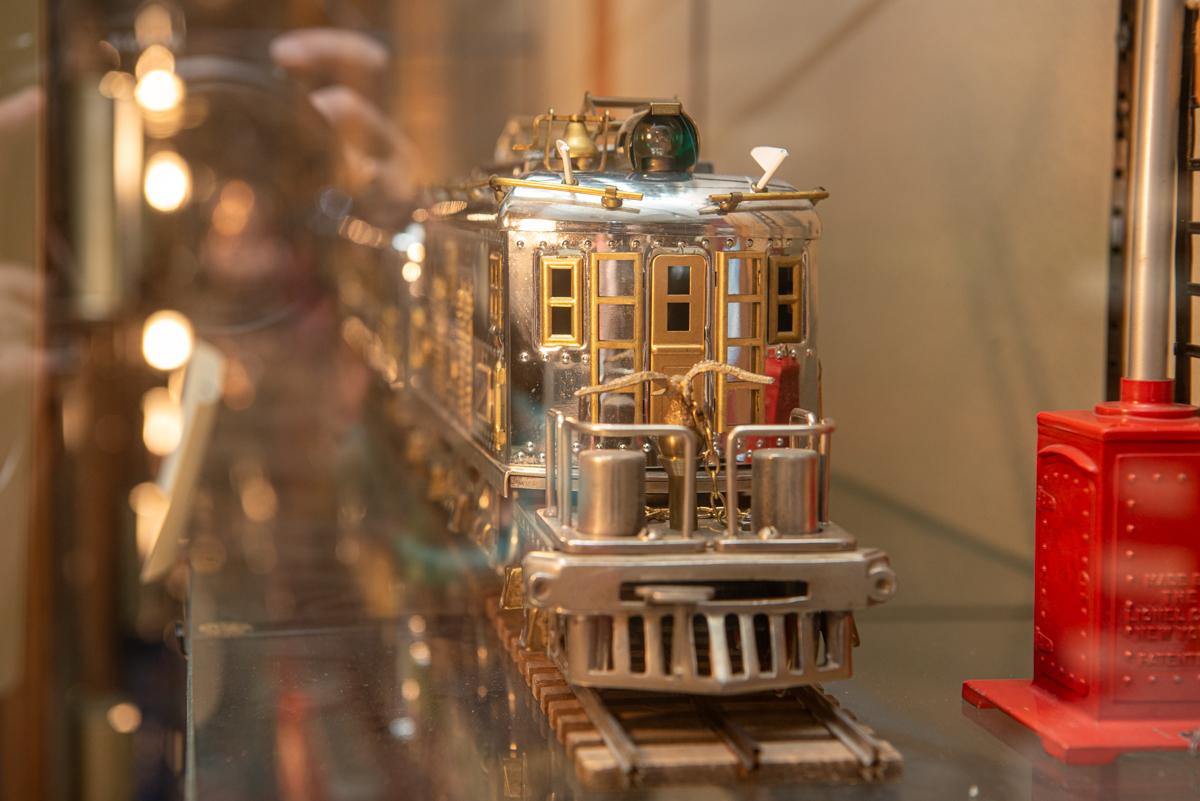
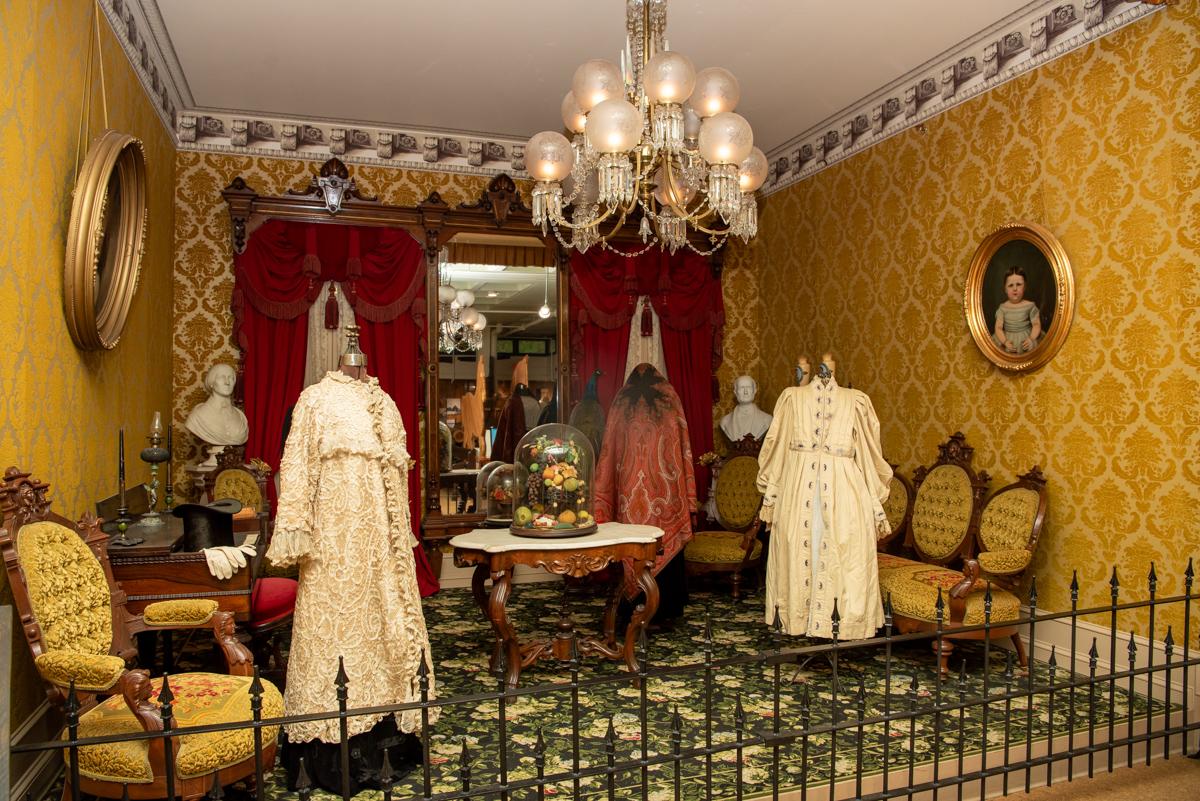
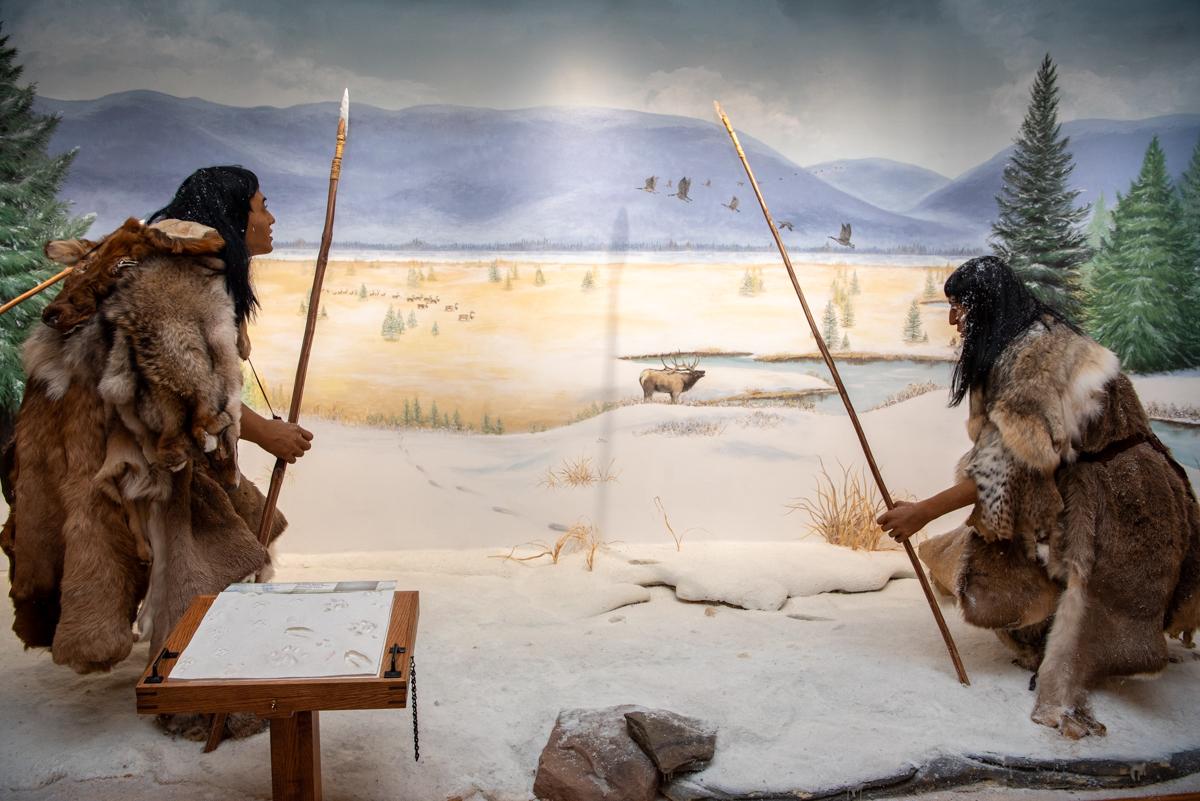
The Thomas T. Taber Museum of the Lycoming County Historical Society, located near Penn College’s main campus, recently introduced its digital guide on Bloomberg Connects, a free arts and cultural app created by Bloomberg Philanthropies. The app makes the museum accessible for either on-site or off-site visits through photo, audio and video formats.
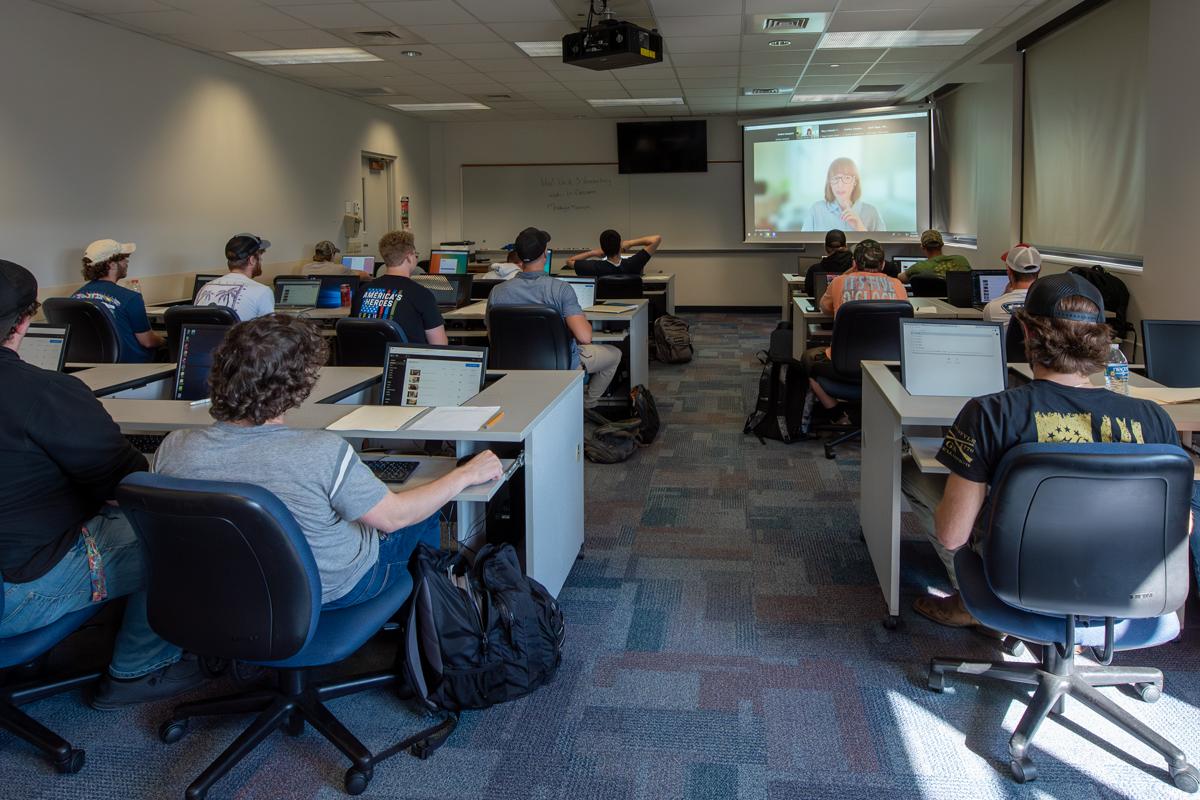
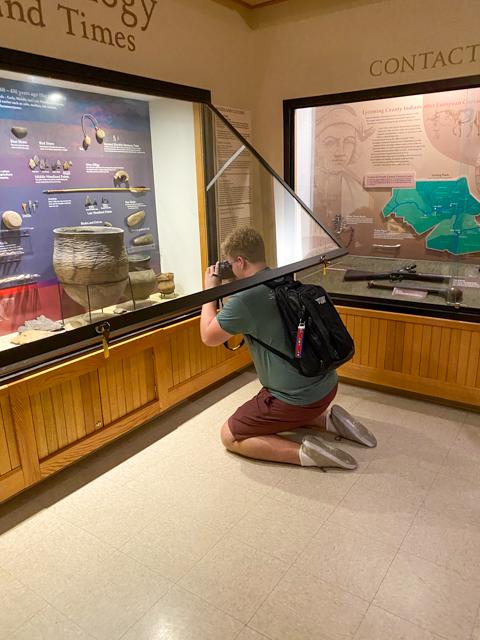
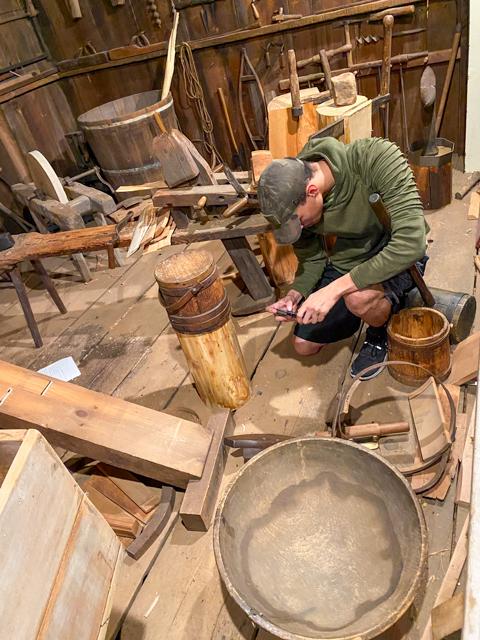
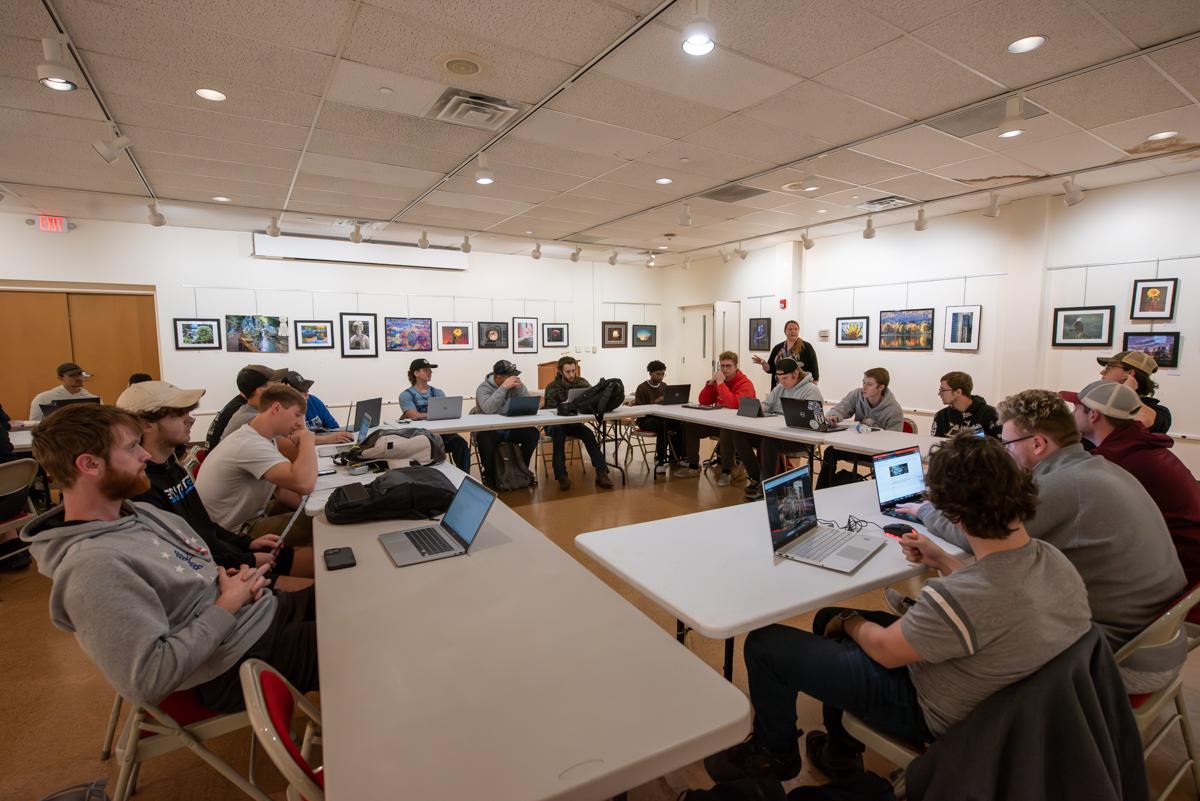
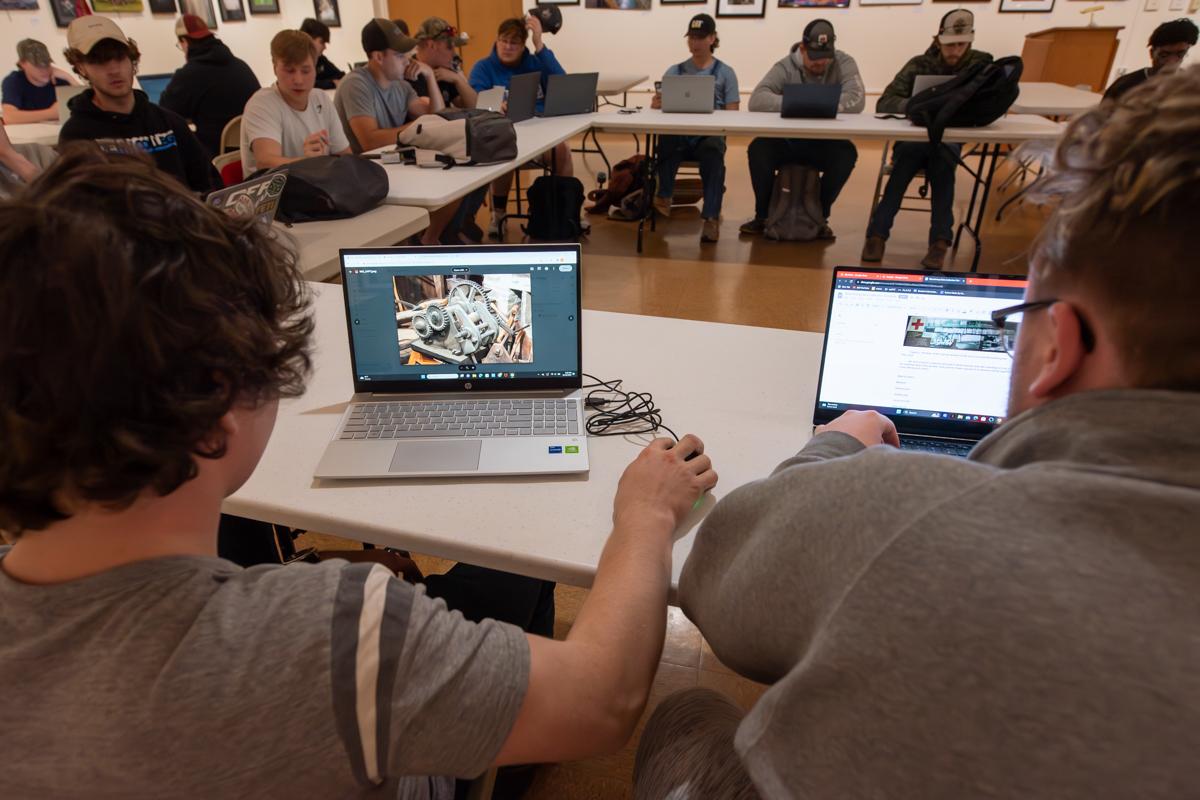
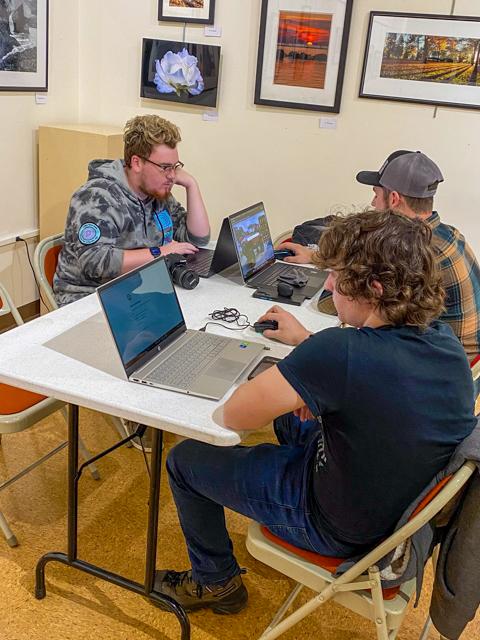
Twenty-four students in a Technical and Professional Communication (ENL 201) class taught by Andrea M. Campbell, assistant professor of English composition and technical communication, performed research, asset gathering and inventory management to aid the museum in its quest to lift its artifacts into the online format.
The students’ majors varied widely and included automotive, aviation, construction, culinary, diesel, electronics, information technology, manufacturing and welding disciplines. What they all have in common is a need to gain hands-on exposure to inventory management systems and professional communications to assist them in their future careers.
“When teaching Technical and Professional Communication, it is critical to get students exposed to a variety of platforms and situations that mirror their professional goals,” Campbell explained. “With the Bloomberg Connects CMS (content management system), students were able to work on a platform that is similar to many inventory management systems and the increasingly popular CRM (customer relationship management) software programs now used in over 91% of businesses across all industries.
“This allowed students to gain hands-on experience in professional composition and data recording through digital software programs that will complement any degree path here at the college,” she continued.
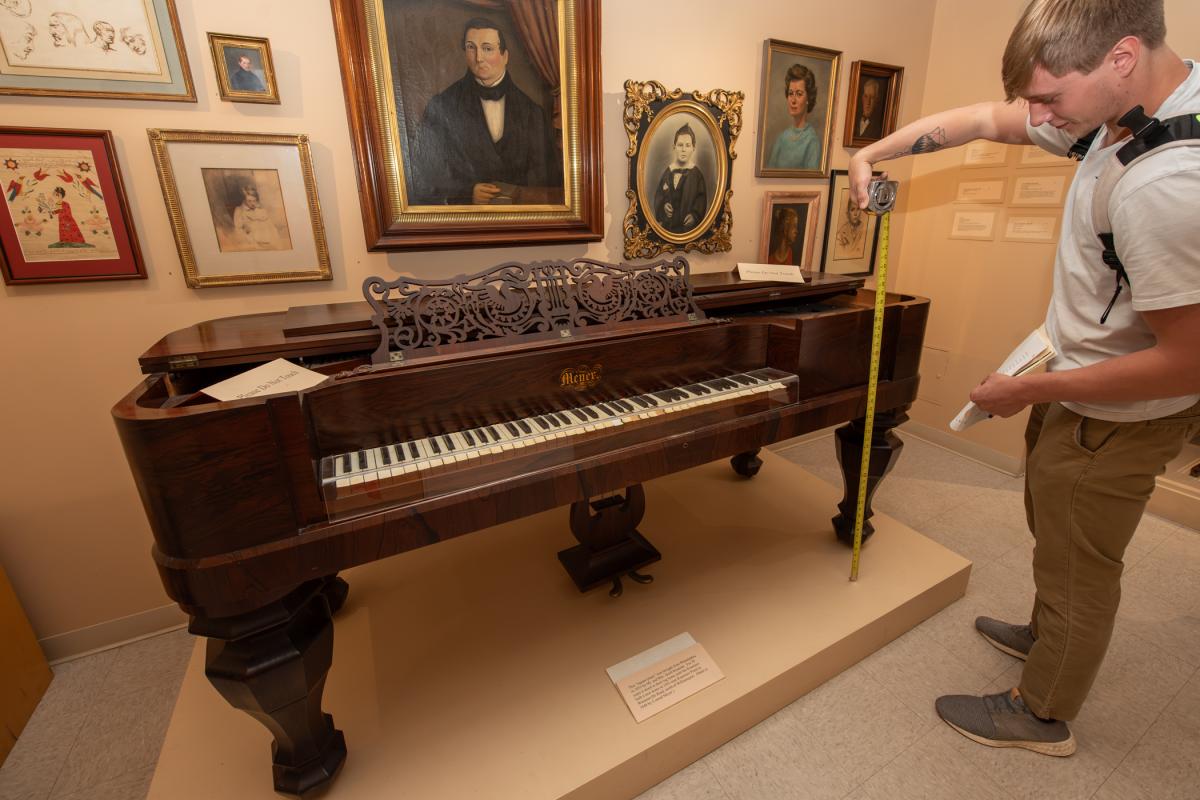
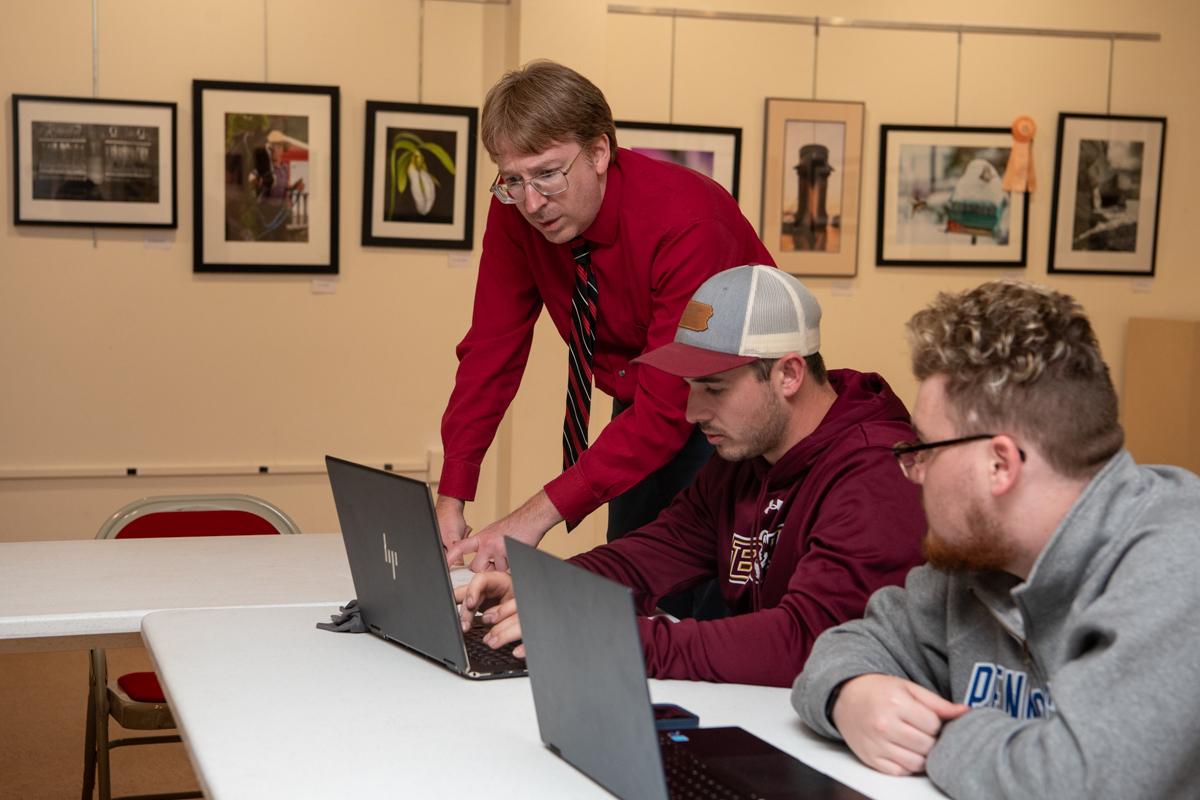
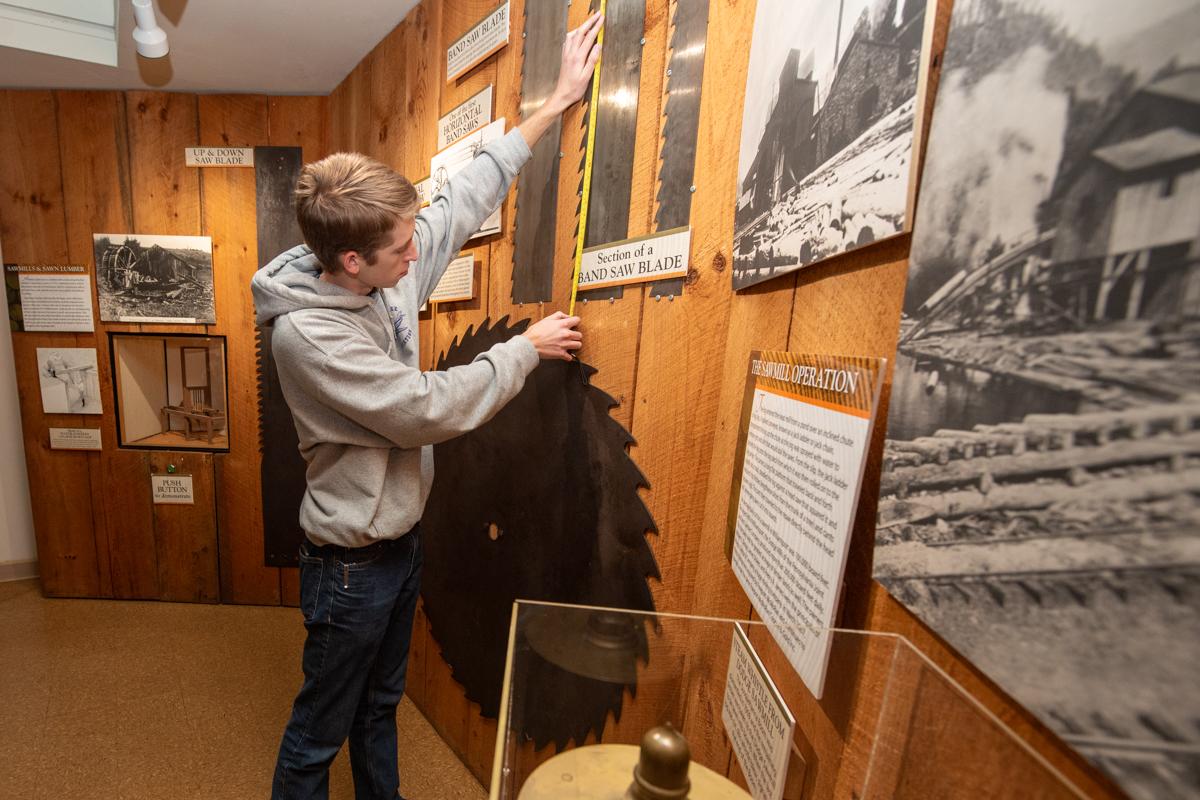
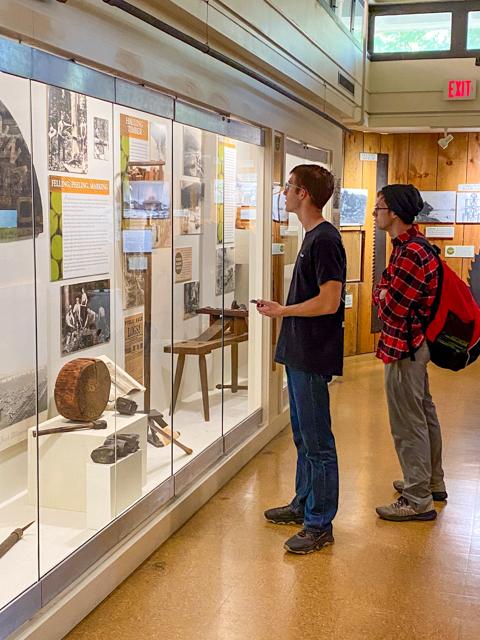
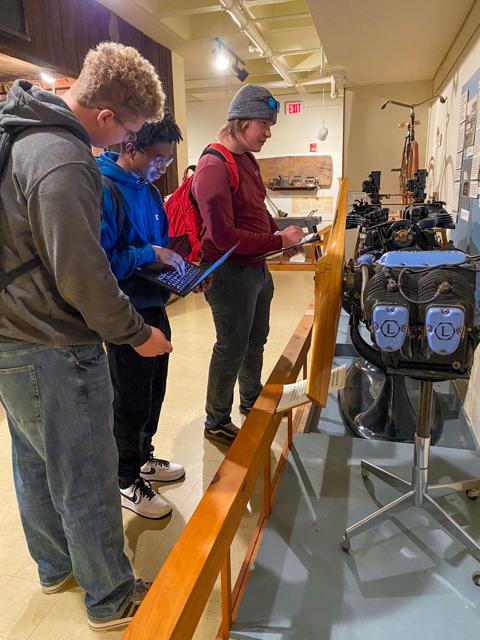
Working in groups of three to record, measure, research and document artifacts, many students found items and information related to their professional fields or personal interests.