Wild Catch

Steve Kurian ’98 (second from right), his wife, Jenn (left), and their children aboard the Ava Jane, named for their daughter. For 40 days each summer, Kurian fishes the salmon that “run” through Alaska's Bristol Bay to the rivers that flow into it. Jenn and the children join him in the final week.

Penn College Magazine Fall 2025, Volume 34, Number 2

Cindy Meixel

by Cindy Meixel

Writer/Editor Penn College News

ON CUE, THE SALMON RUSH IN.

It’s the summer solstice, and Steve Kurian and his crew will be fishing for 40 days, harvesting enough salmon to sustain a successful business, with extra money to give back to protect the bay that provides the bounty. 

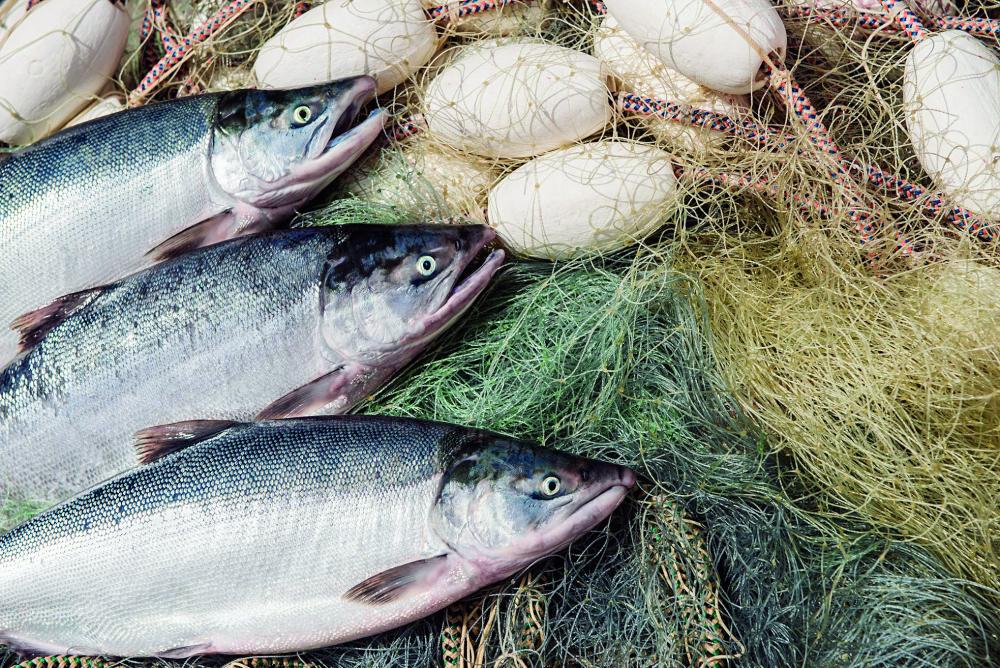
For 24 seasons now, Kurian has been caught by the magic that is Alaska’s Bristol Bay, home of the world’s largest sockeye salmon run. 

The majesty and might of the salmon and the excitement of their annual migration are like magnets, influencing Kurian’s return year after year.

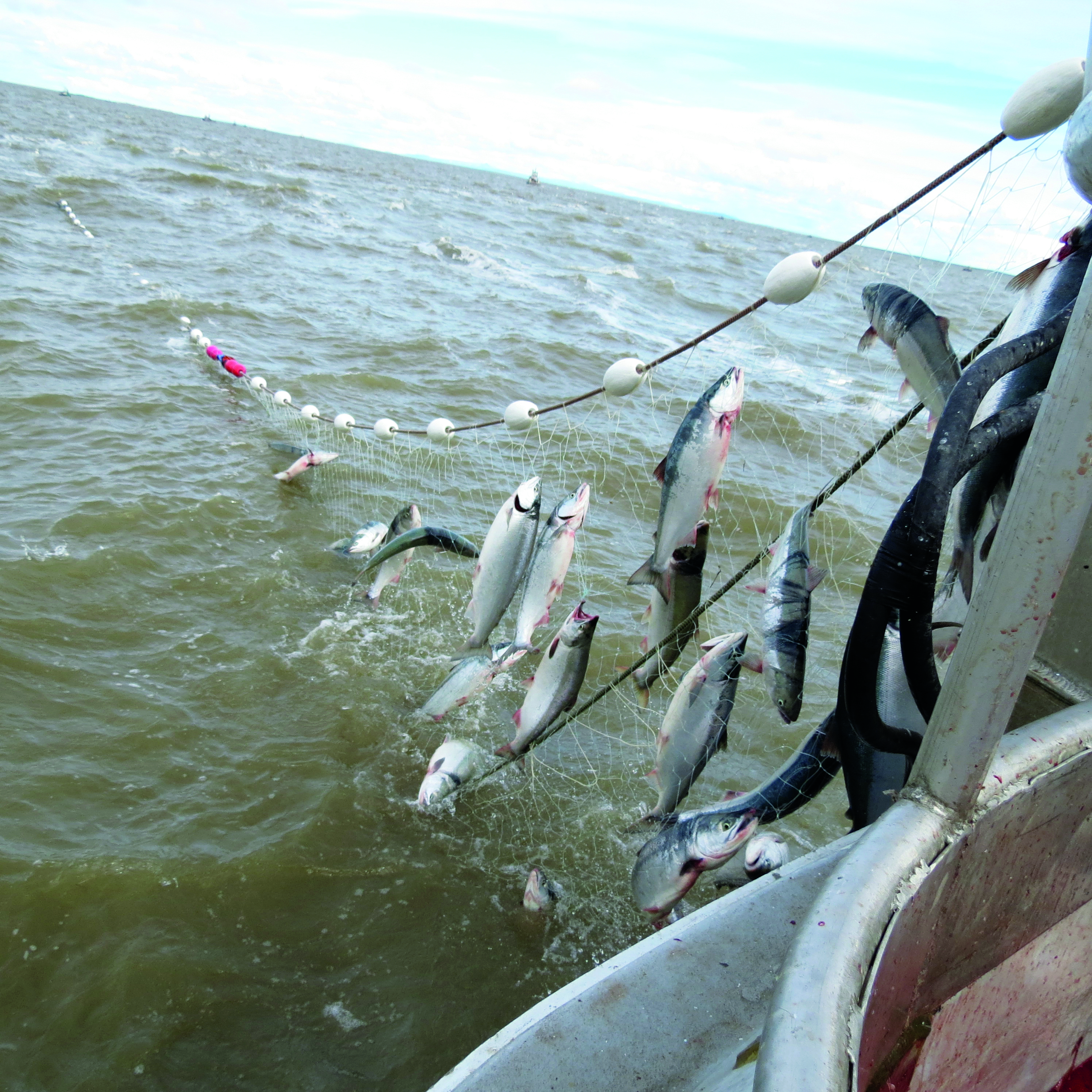
The salmon life cycle captivates him: The fish are born in fresh water, spending one or two years in the river before migrating out to sea for up to three years and then returning to where they were born to spawn. 

“And then, you hit the summer solstice, and miraculously, they just show up!” Kurian enthused. 

Nearly 50 million salmon were predicted to return to Bristol Bay for the 2025 run, aiming for the Togiak, Nushagak, Naknek, Egegik and Ugashik rivers. 

Kurian first showed up at Naknek in 2002, encouraged by his then-landlord in Idaho, where he was working in state forest service and private land management following a similar stint in Utah. 

The Bloomsburg native had earned his associate degree in forest technology from Pennsylvania College of Technology in 1998 and later added a Penn State bachelor’s degree in the same discipline. He spent weekends back home working his tree business to pay his way through college and continuing his boyhood passions of hunting, fishing and reveling in the great outdoors.


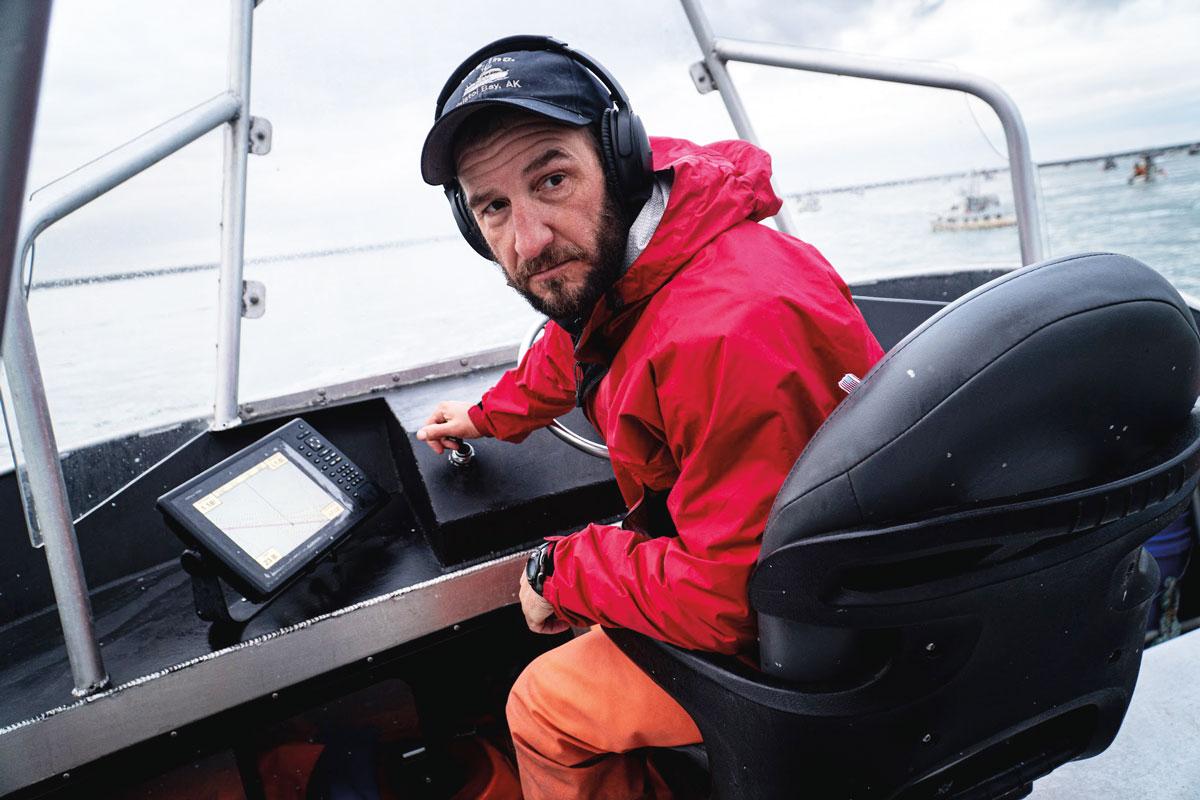
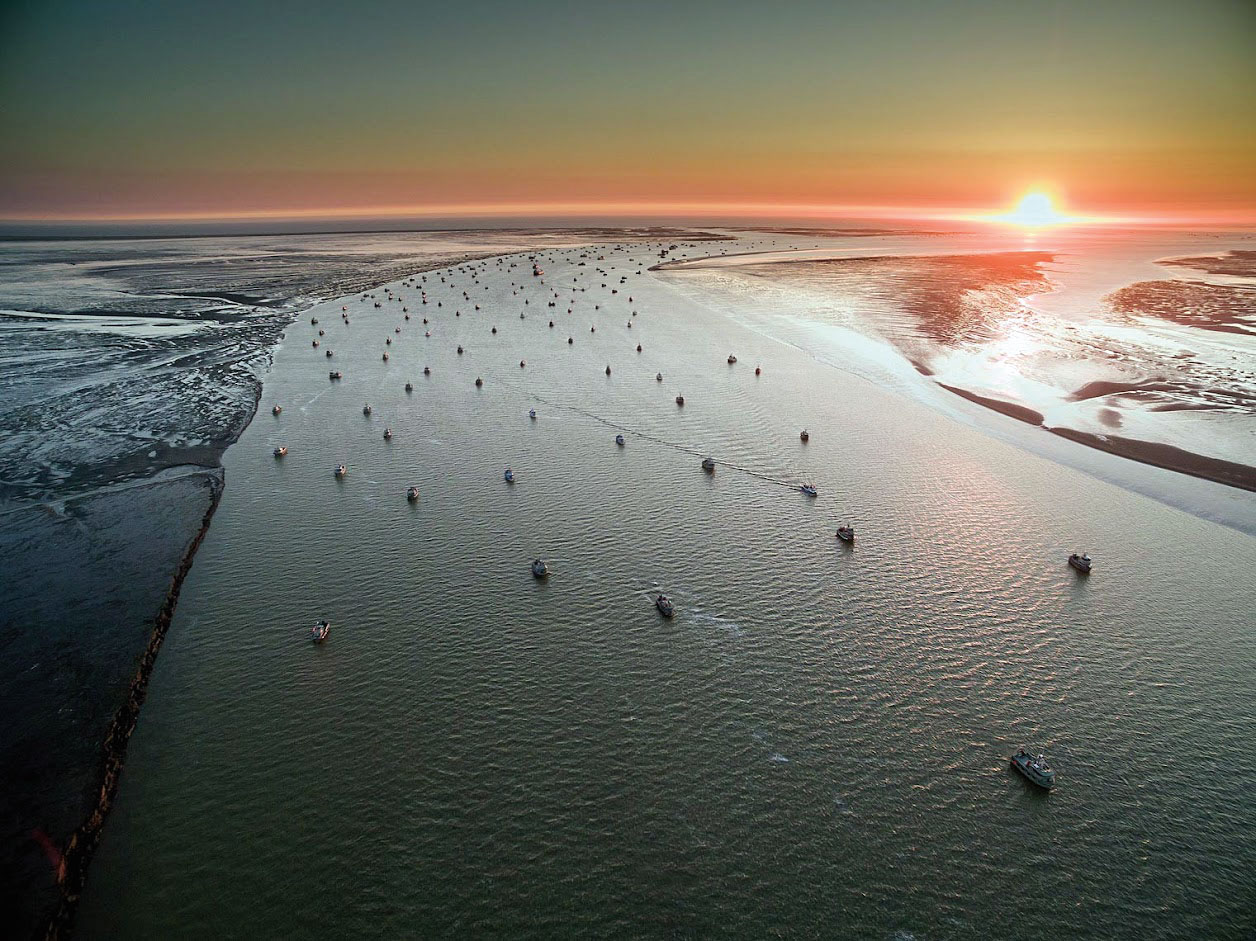
Kurian pilots the Ava Jane, one of the 1,500 fishing vessels that make their way to Bristol Bay for the world’s largest salmon run.

Kurian pilots the Ava Jane, one of the 1,500 fishing vessels that make their way to Bristol Bay for the world’s largest salmon run.

When his adventure-seeking Idaho mentor asked him if he could drive a boat, Kurian thought, “Well, I can drive a log skidder and a bulldozer; it can’t be that different. Let’s give it a try!” 

The job came easy to him, but it’s certainly not a lightweight gig. 

“They put the boat in the water, and you’re on it for the next 40 days. You don’t come off. There are no docks. You just anchor up in the river. It’s like a camping trip,” he said. 

In his early days on Bristol Bay, Kurian’s boat amenities were minimal, and the need to work on the motor was constant. Being covered in hydraulic oil and wiping fish blood off his face was the typical scene. 

“My first 10 years, it was like we were just savages,” he laughed. 

When he built his own boat in 2014, he named it after his firstborn child: Ava Jane. There are more amenities now, but the work is still rigorous. 

“You’re always fishing around the tides, and the tides keep shifting by an hour every day,” Kurian shared. “There’s a lot of times where we’re working, you know, 20 hours a day with two naps filled in for two hours at a time. 

“So, that’s the intensity … and you have to love the raw adventure of it.” 

You have to love the raw adventure of it.

Competition between fishing boats is fierce. “It’s super, super cutthroat,” Kurian said. “Super competitive.” 

With U.S. Coast Guard monitoring and the modernity of cell phones, fishermen are no longer ramming their boats into each other, but it’s still deemed by many as one of the remaining remnants of “The Wild West.” 

Bristol Bay drift permits range in price from $150,000 to $225,000, but the results can be lucrative. 

In 2004, Kurian flew home from Alaska with three coolers of salmon and sold them at a Farmers Market in Benton. Since then, his enterprise has expanded to include wholesale and online sales. 

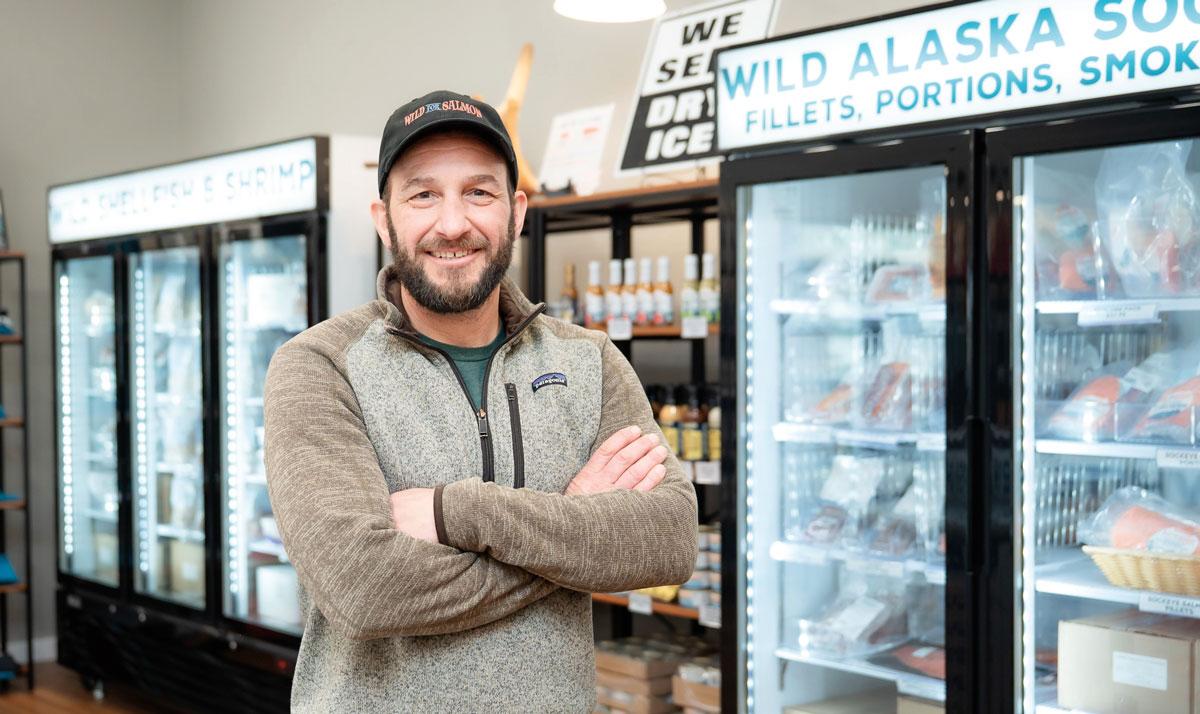
Those 40 days fishing the waters of Bristol Bay provide the central stock for his thriving business: Wild for Salmon, which also operates a market and café in Bloomsburg, providing the wild caught Alaskan seafood to central Pennsylvania customers. Also under the Kurian Enterprises umbrella are Pride of Bristol Bay and Kurian Fisheries, as well as his original business – Susquehanna Tree Care – and a Cessna-rental side operation – Green Hornet Aviation. 

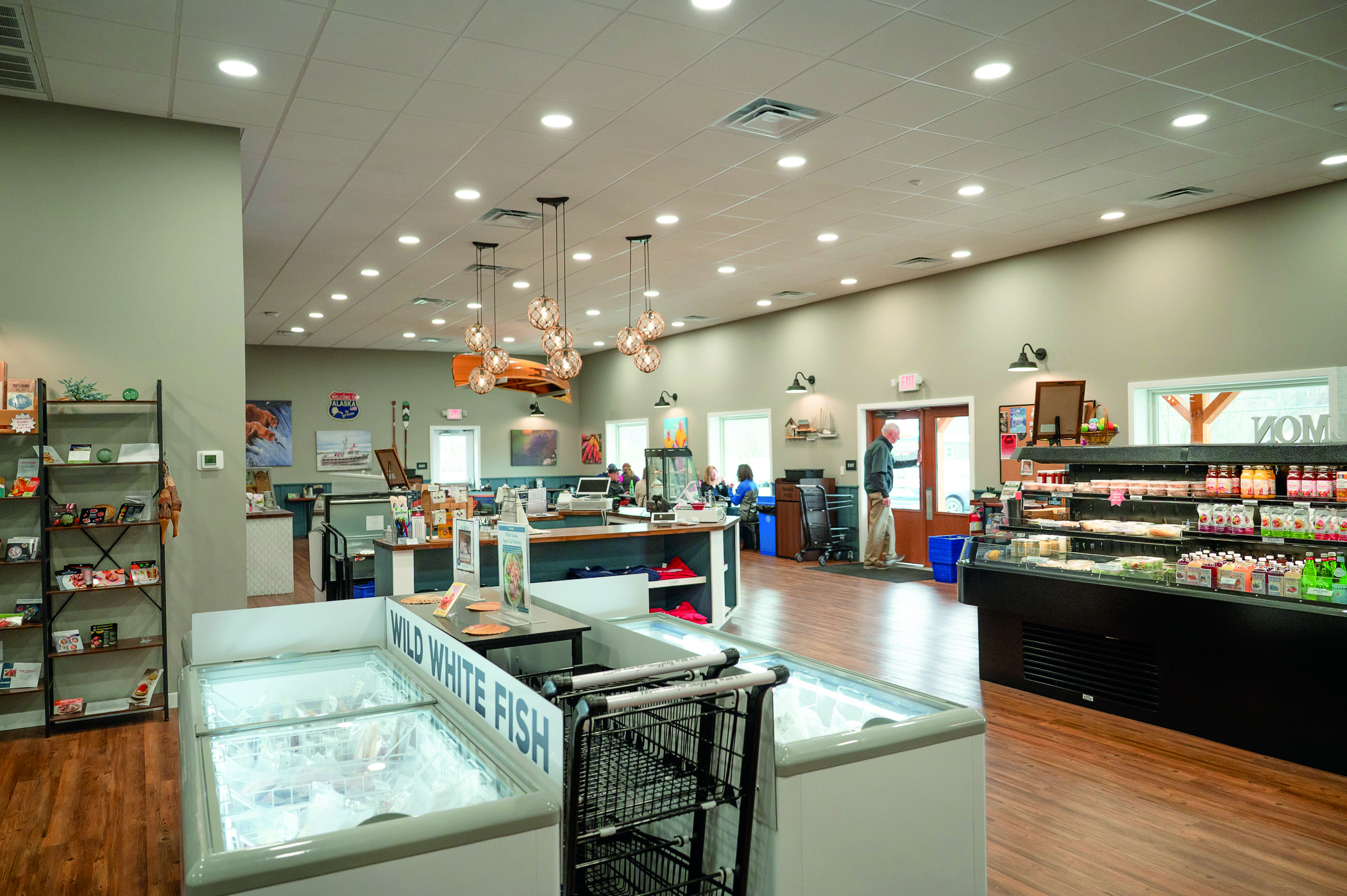
Kurian at his Wild For Salmon Seafood Market & Café in Bloomsburg, where central Pennsylvania customers can purchase the wild sockeye salmon he catches in Alaska’s Bristol Bay. It’s also sold online and in natural food stores, restaurants and farm markets across Pennsylvania – and beyond.

Kurian at his Wild For Salmon Seafood Market & Café in Bloomsburg, where central Pennsylvania customers can purchase the wild sockeye salmon he catches in Alaska’s Bristol Bay. It’s also sold online and in natural food stores, restaurants and farm markets across Pennsylvania – and beyond.

Including Kurian and his childhood-sweetheart wife, Jenn, there are 33 full-time employees, nine part-timers and four summer deckhands. 

Two of his part-time employees are his parents. Kurian’s father was a custom butcher, so that part of the food-production task comes naturally. 

A key component for Kurian is serving as a spokesperson for protecting Bristol Bay. 

“Even though we can’t see the Bristol Bay, it’s such a significant resource for Americans,” he said. 

His business model gives back to Trout Unlimited to protect the bay from a pebble mine that sits at the headwaters of two of the rivers that feed into the bay. 

Kurian has traveled to Washington, D.C., to advocate for environmental protections for the bay and was invited to a 2023 presidential speech at the White House rose garden. 

“The wild protein, the wild sockeye, the beautiful red fish, is like a centerpiece that I can put on this table,” Kurian related. “I don't care where you stand politically or what your environmental thoughts are, but we can have a conversation about it across that fish, and we’ll both agree that this is worth saving. 

“So, I try to use that to the advantage of protecting wild places and in bringing that awareness to our customers … about why we should be protecting clean water. And that’s what I really enjoy the most out of all this. I love to eat salmon. I love to be in Alaska. But that natural resource piece is definitely … key for me.” 

While his career has taken him into a wide – and wild – range of pursuits, Kurian says he found his Penn College education to be “very valuable” during his formative years. 

“I think what stands out most to me was the quality of the professors and how down-to-earth and real they were. They were with the industry that they were teaching on, and that was very relatable,” he said. “They could put it in a fashion that, it wasn’t just textbook learning. It was real, and that’s what I value the most out of it: how real it was, the on-the-job knowledge being taught to you.” 

Having access to equipment, like that found at Penn College’s Schneebeli Earth Science Center, where forestry classes are based, is something Kurian feels is lacking for today’s youth, due to a focus on technology. 

“I feel like that’s one thing that society is missing, as we keep getting more advanced technology. … We know less people with tractors and chainsaws and vital equipment like that, … so today’s kids don't have the opportunity to learn all the things that I think were valuable to me as a young kid and that give you a step up in the workplace.” 

Kurian’s kids, Ava Jane, 11, and Tommy, 9, enjoy being hands-on in the family’s businesses. With their mother, who fished alongside their father for his first eight years on Bristol Bay, they help close out his final week of salmon fishing, serving as mini deckhands. After some outdoor recreation and sightseeing, it’s back to Pennsylvania and back to business. 

As the cycle of life continues, Kurian is ever eying his next opportunity to nourish a dream: 

“I think that’s been my biggest lesson: Never saying ‘No.’ You always just do more. Take the opportunity. You have no idea what's going to come out of it. You just pour your energy into it and do good work.”

Bristol Bay Facts:

  • The bay, in southwestern Alaska, is the site of the world’s largest salmon run.
  • About 50 million salmon return each summer.
  • Up to 1,500 fishing boats work the annual salmon run.
  • Tides come in every 12 hours, twice a day.
  • At the peak of the run, 200,000 to 300,000 fish go through on a single high tide.
  • Sockeye salmon is the main species found at Bristol Bay; the other four species make up only 5% of the run: chinook (king) salmon, coho (silver), pink (humpy) and keta (chum).